
Marine big 5 Daily Blog 13 June
Written by June 13 2026
Whale Watching near Cape Town, South Africa – Welcome to Gansbaai, home of the Marine Big 5.
Trip Summary 13 June 2026:
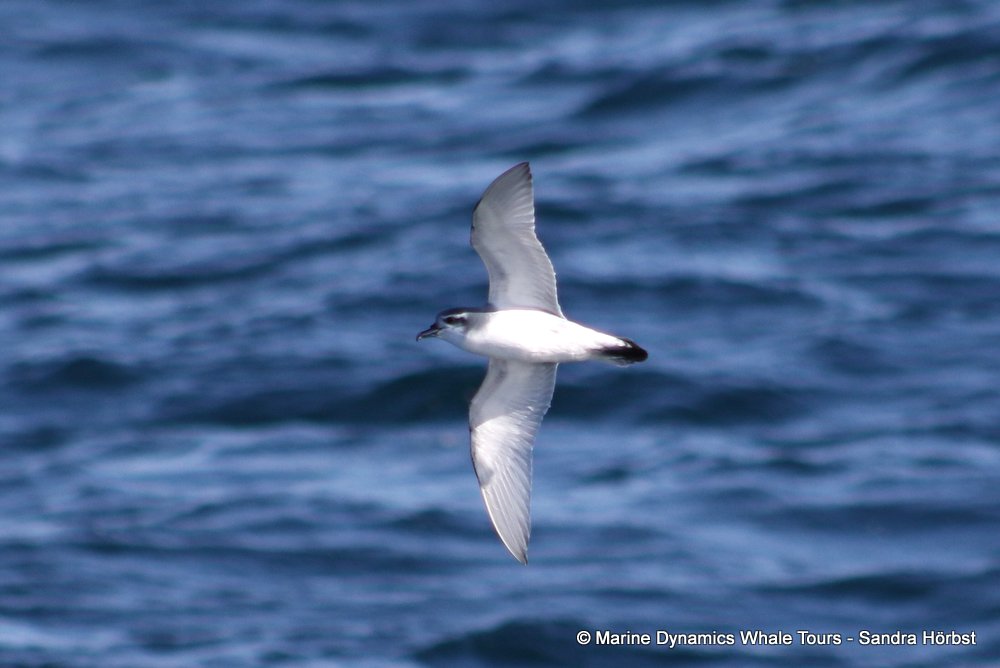
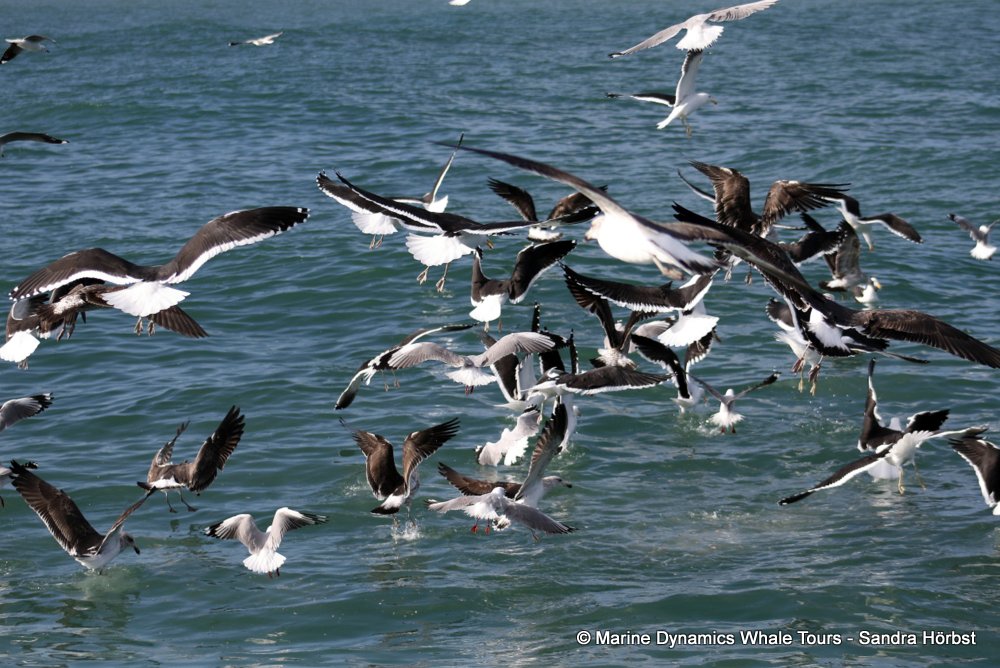
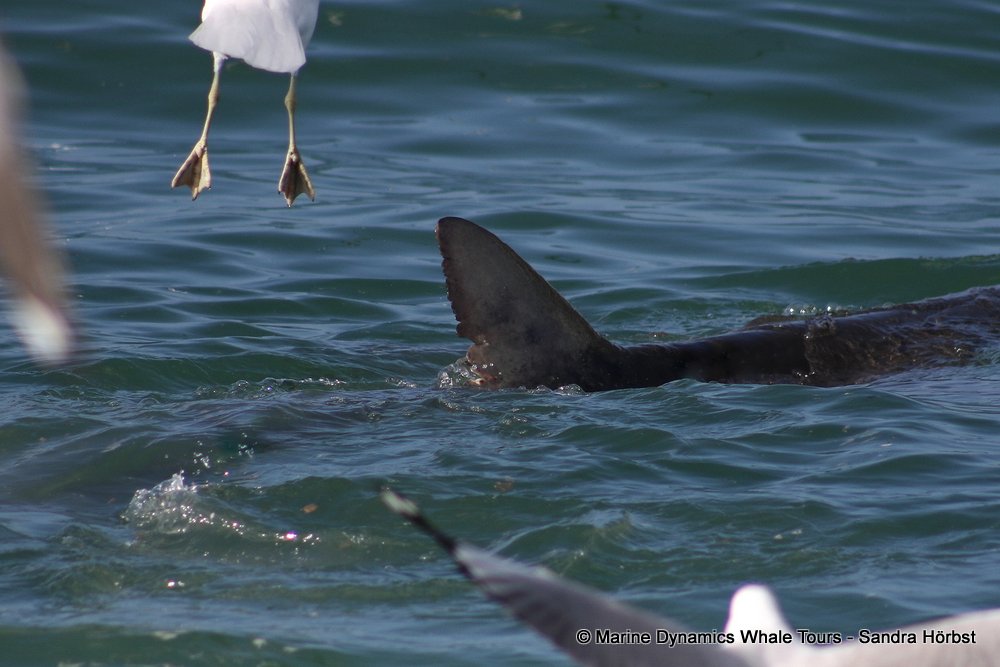
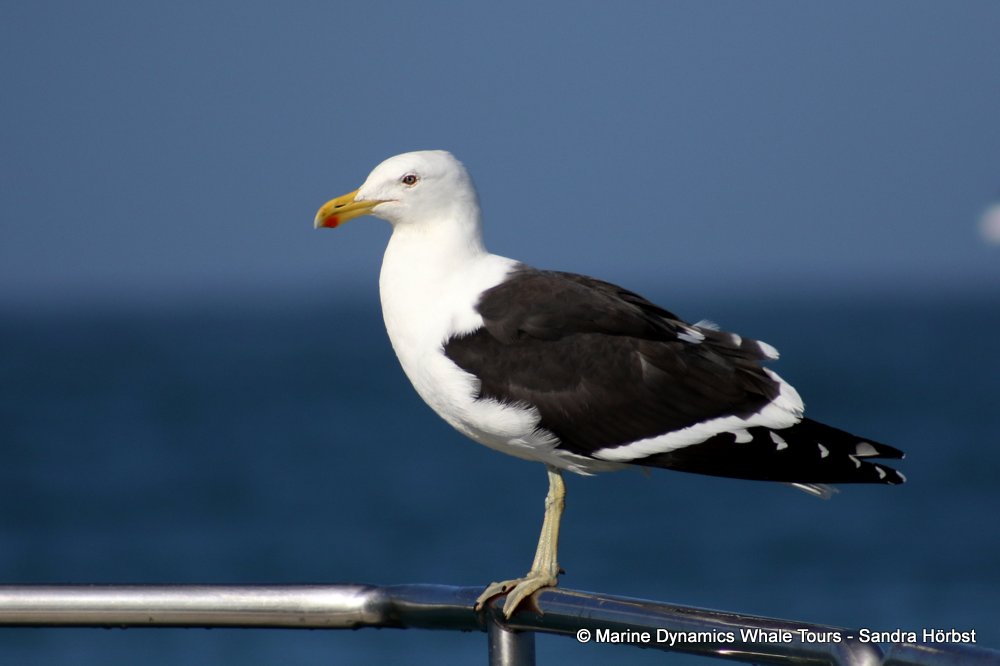
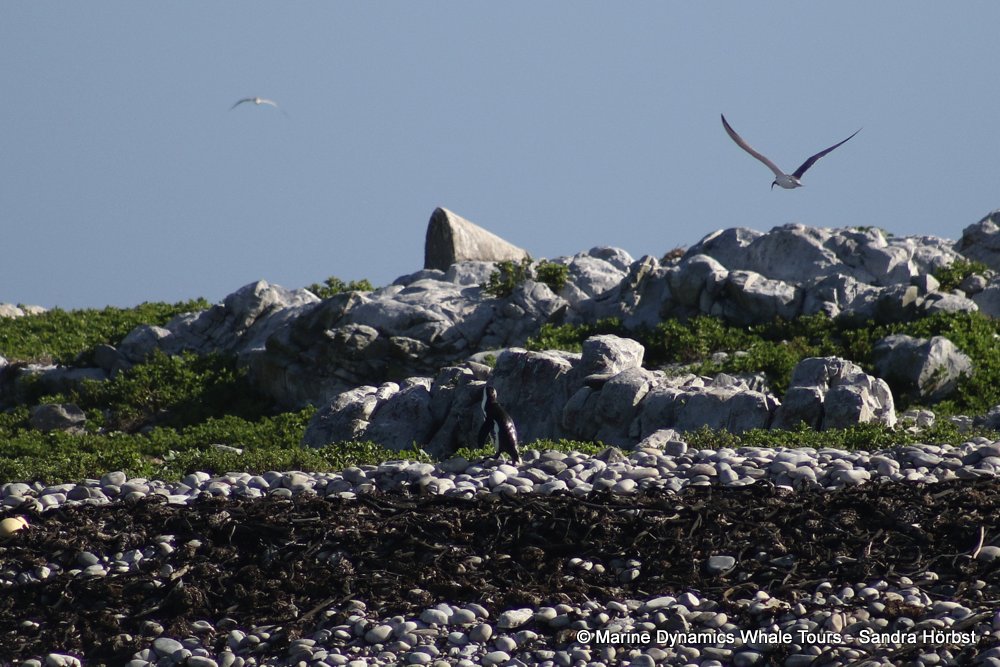
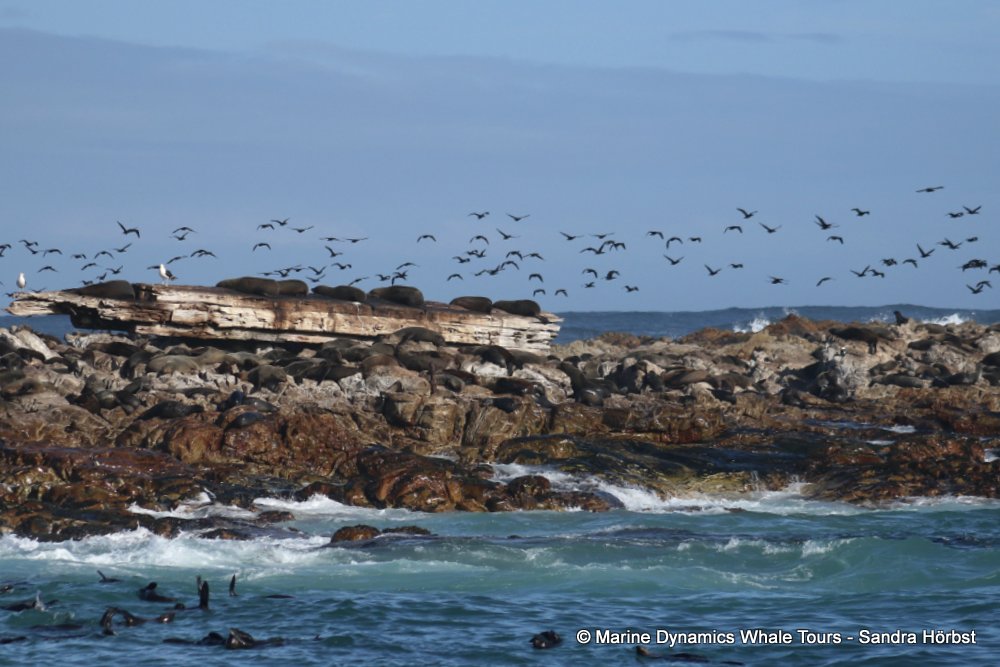
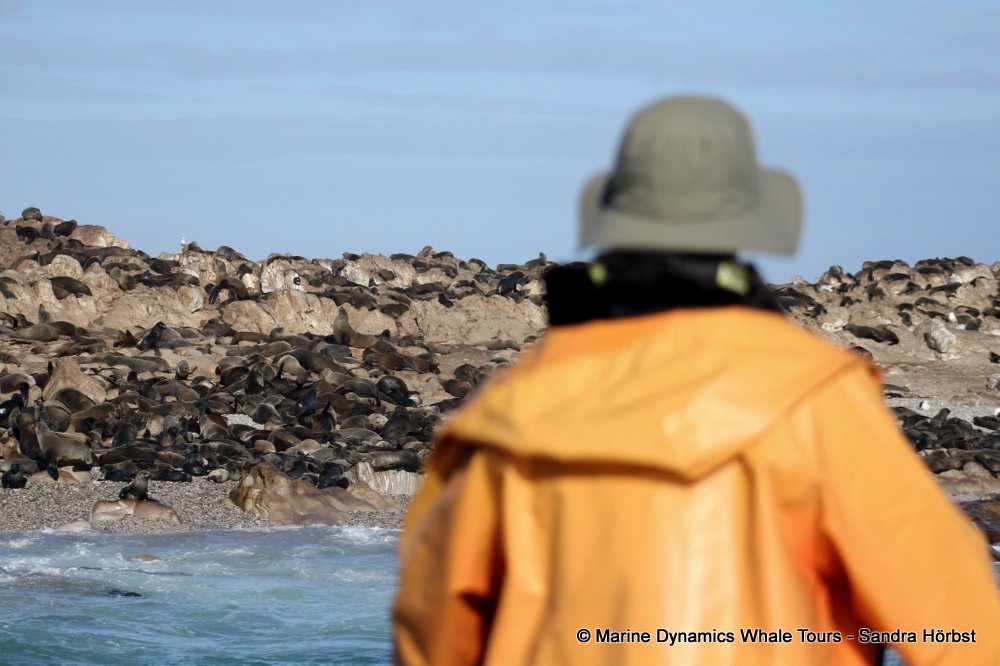
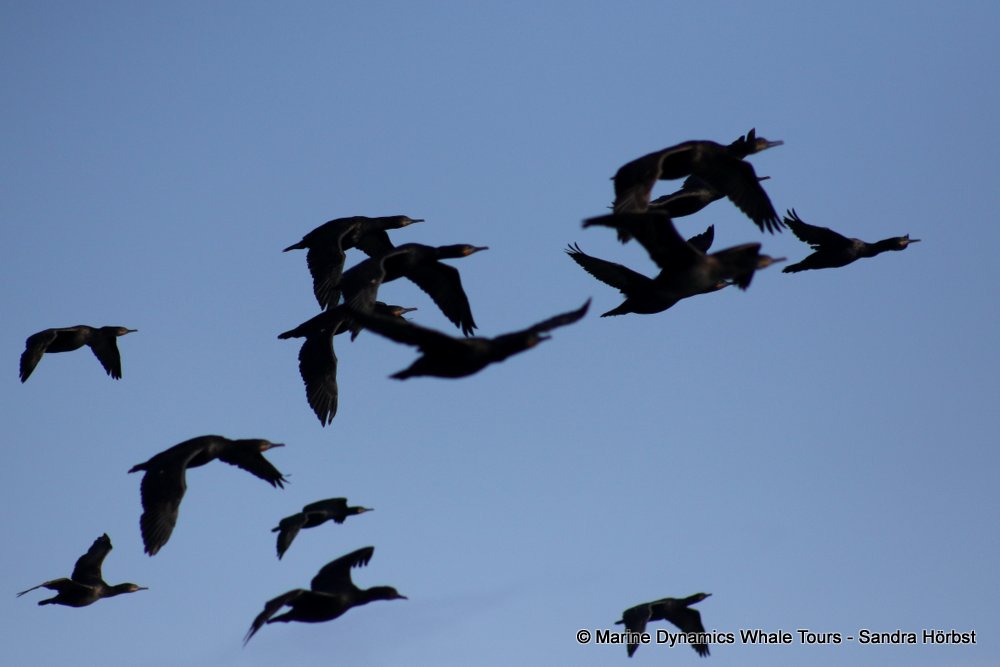
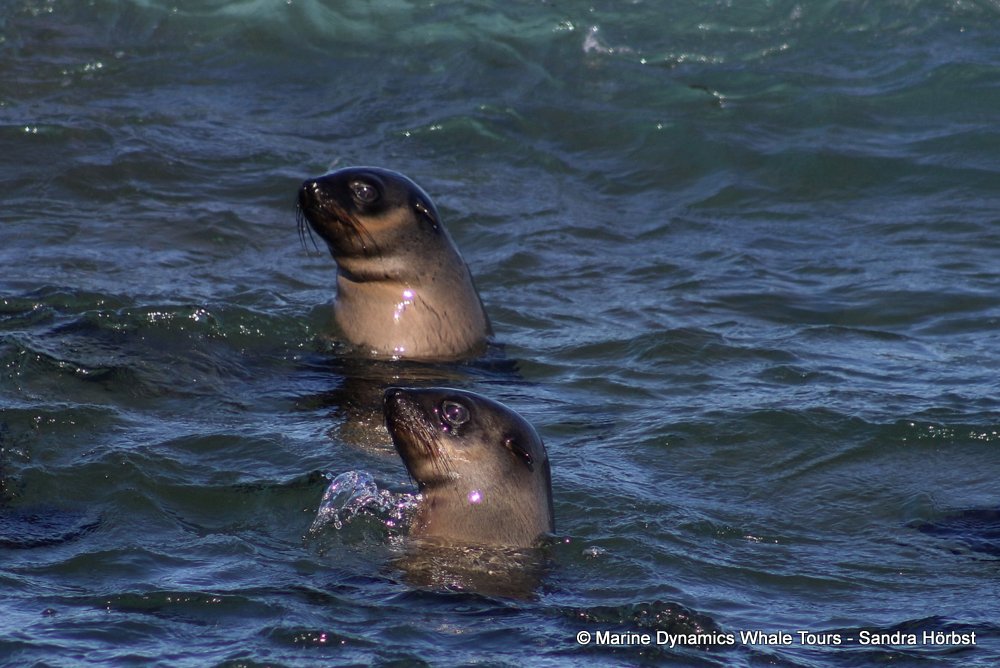
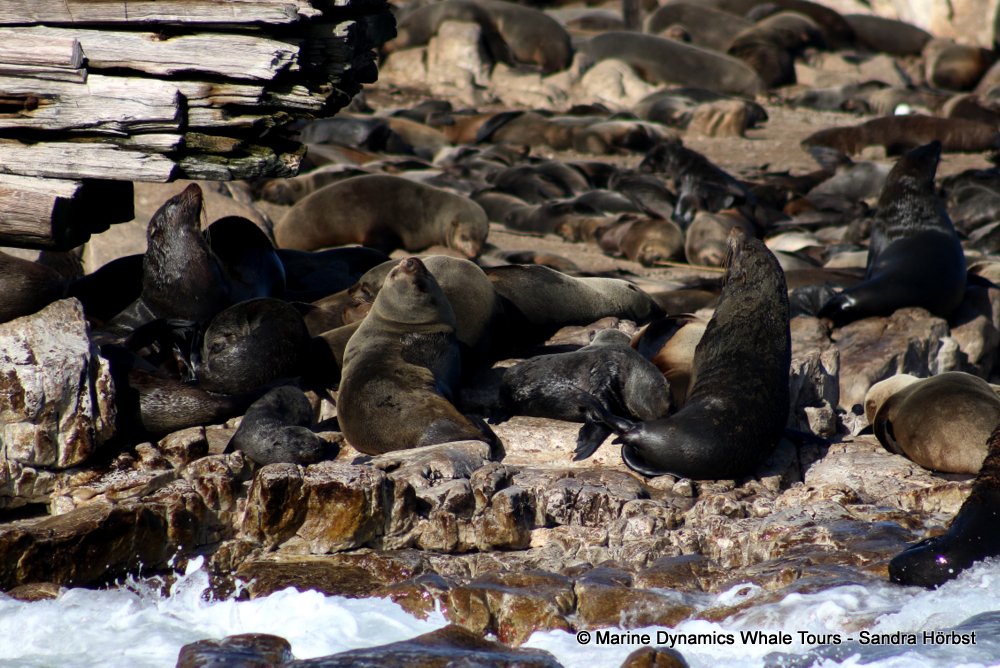
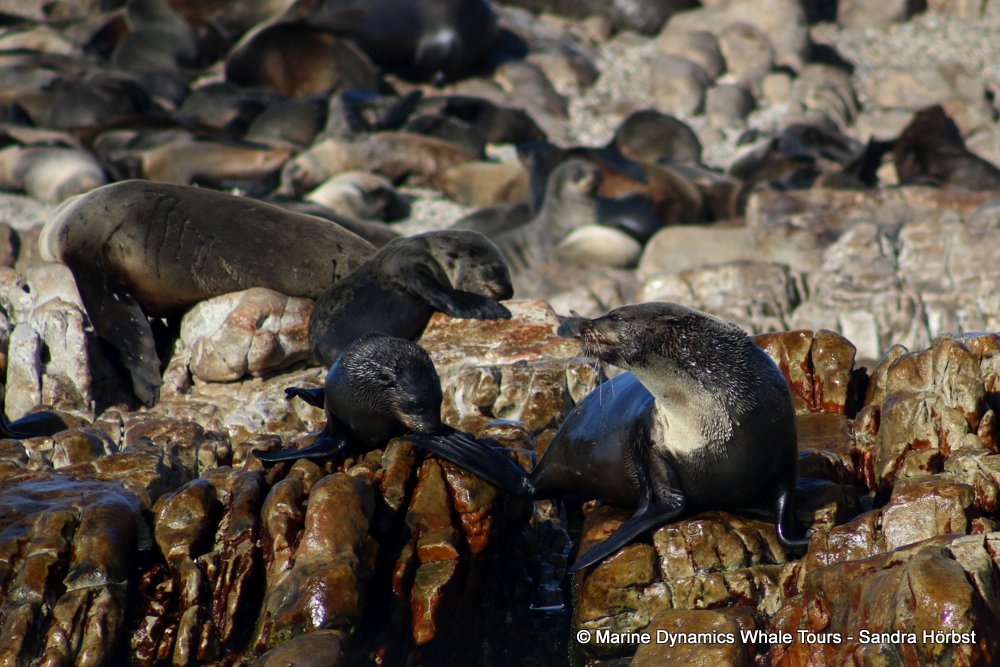
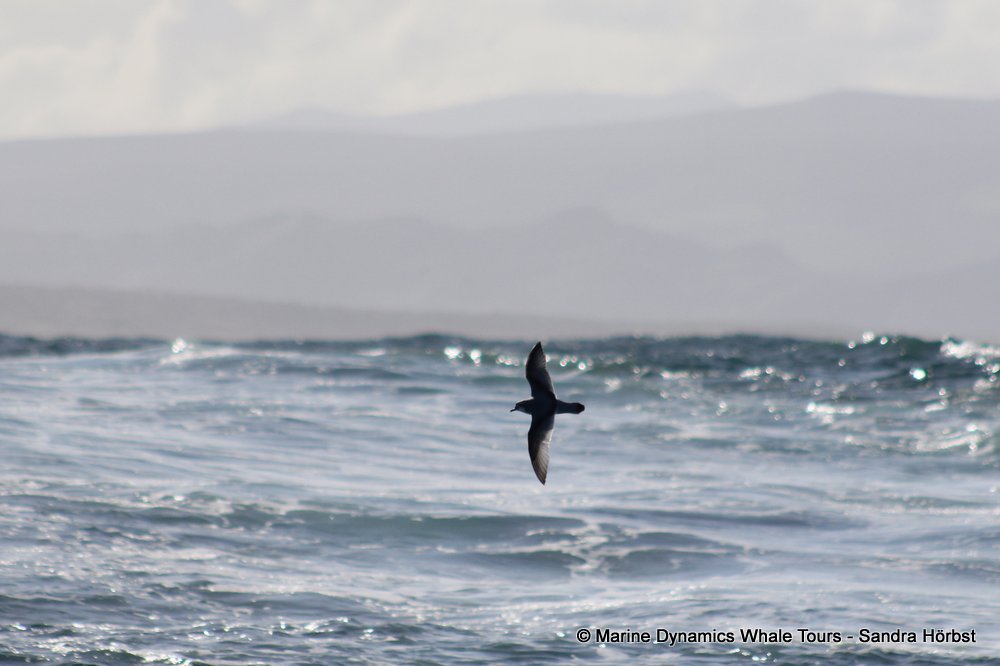
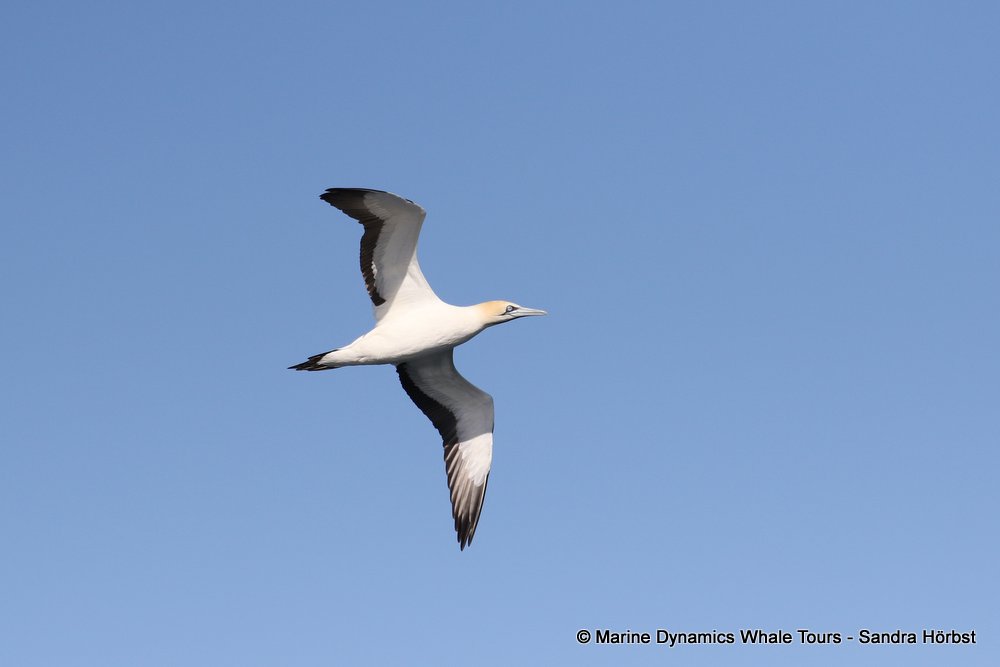
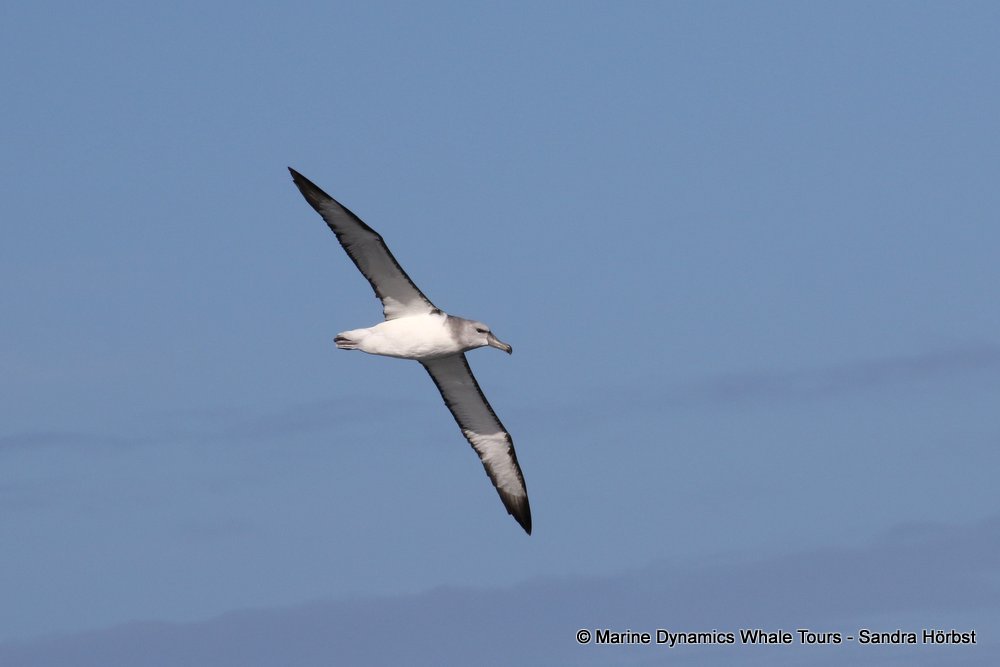
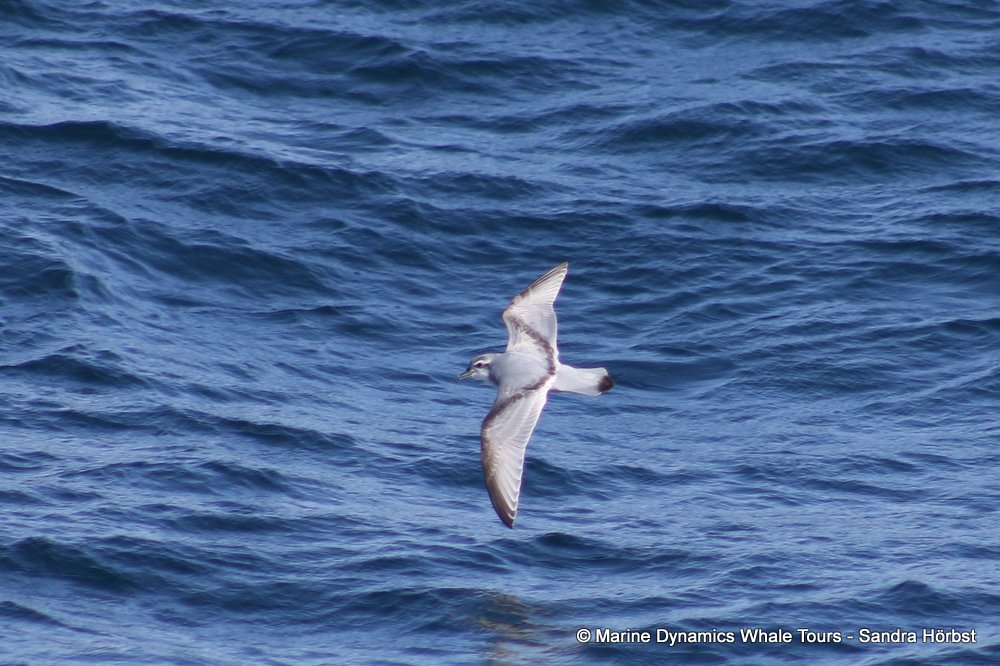
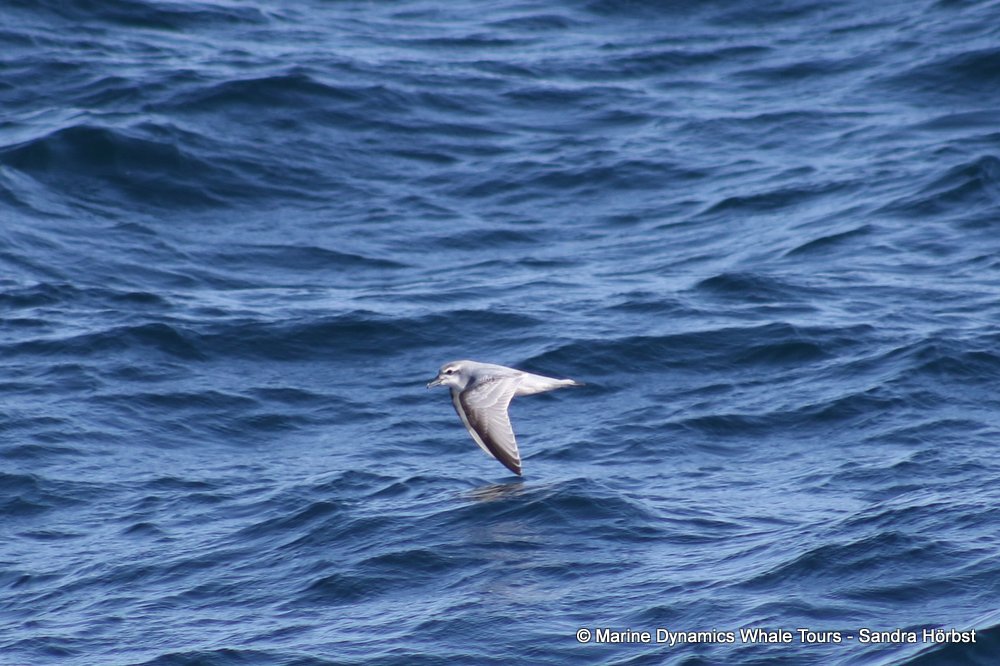
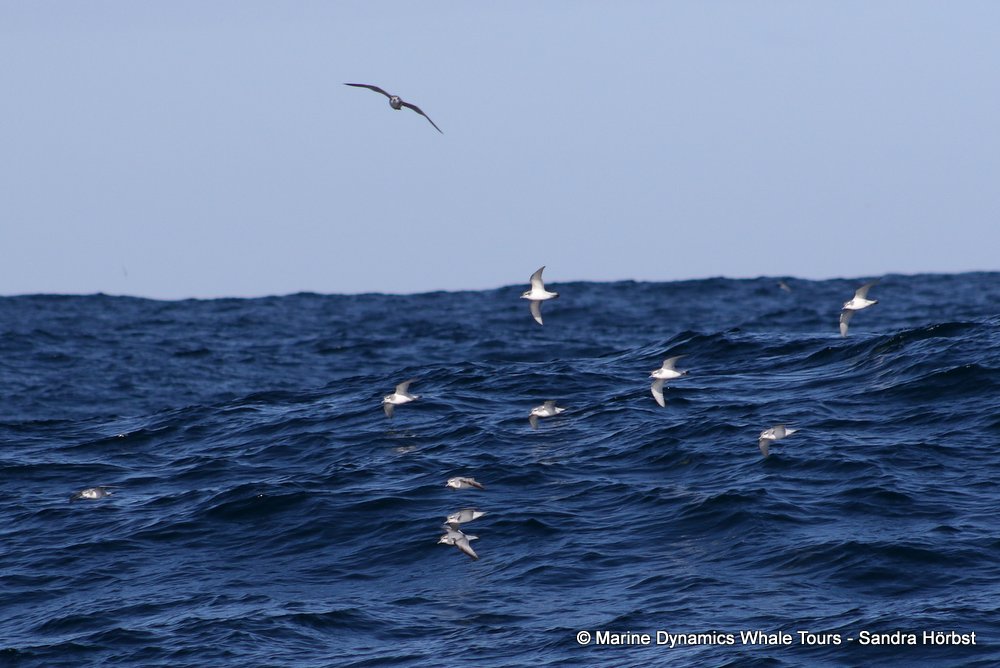
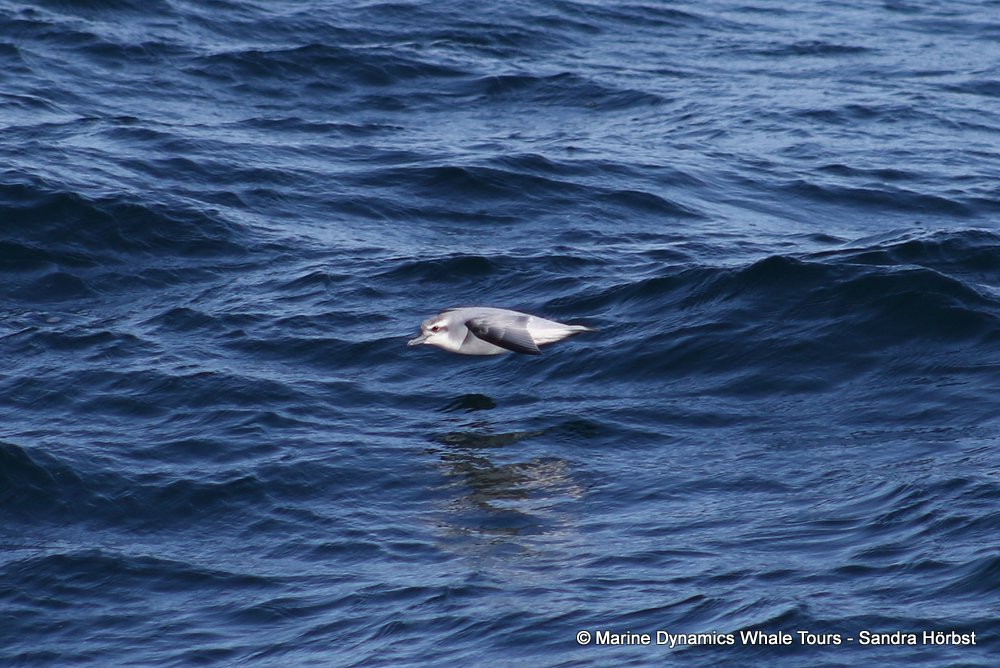
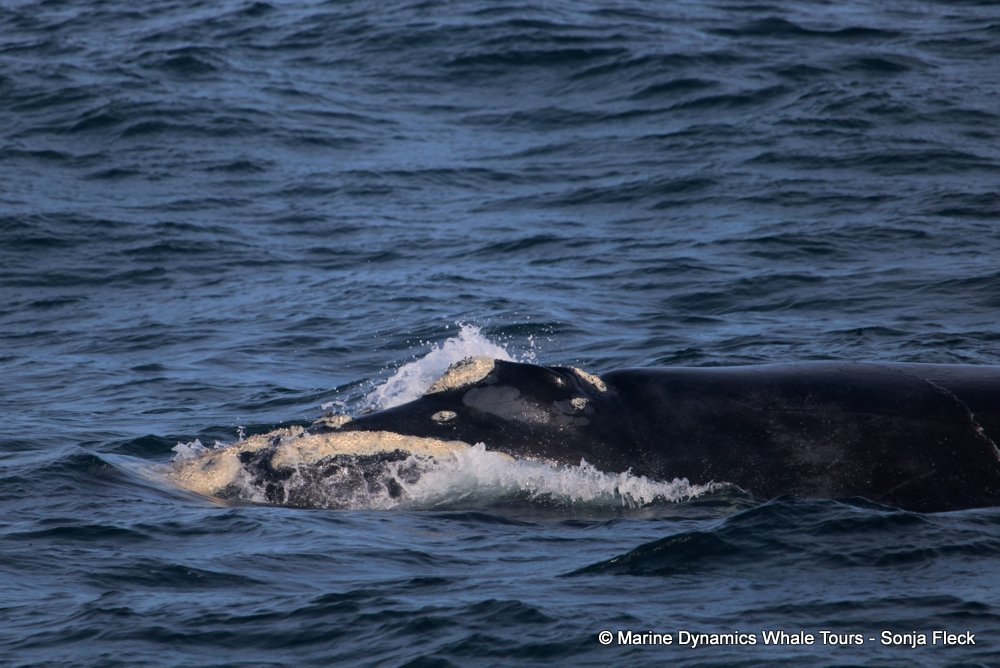
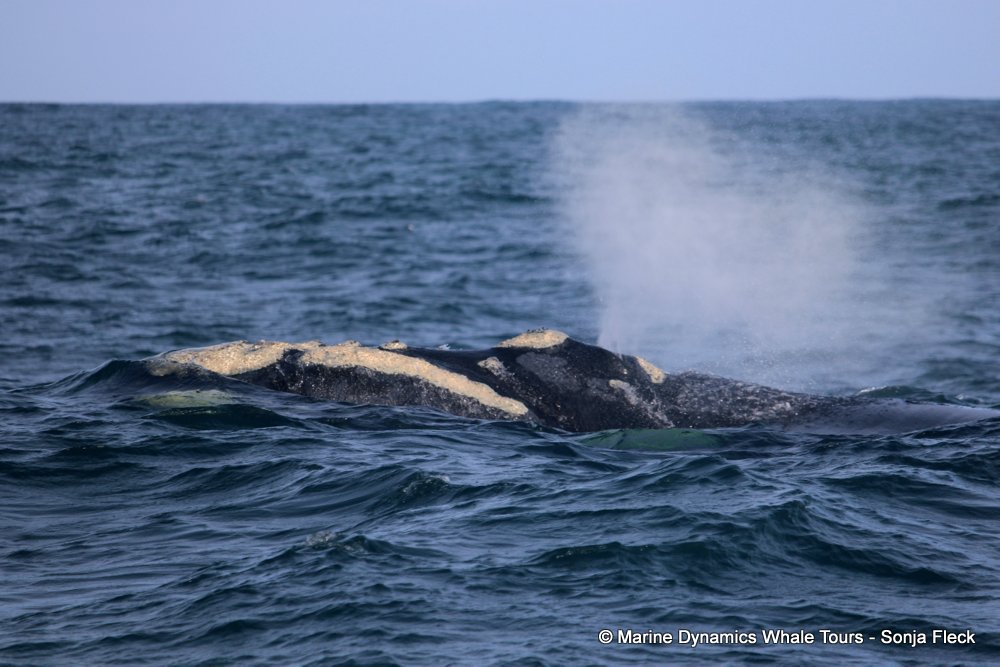
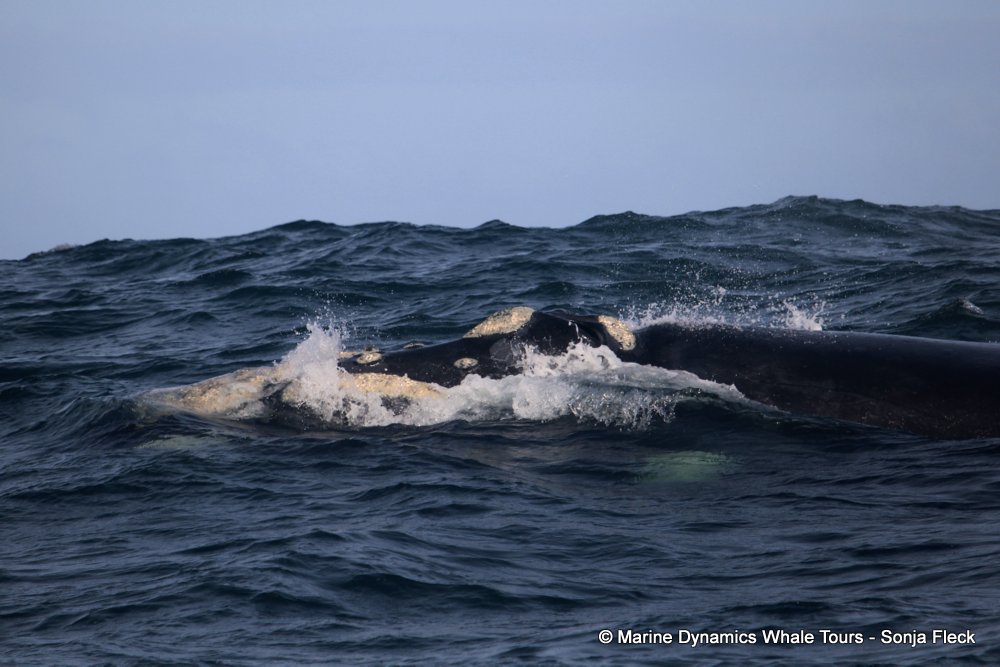
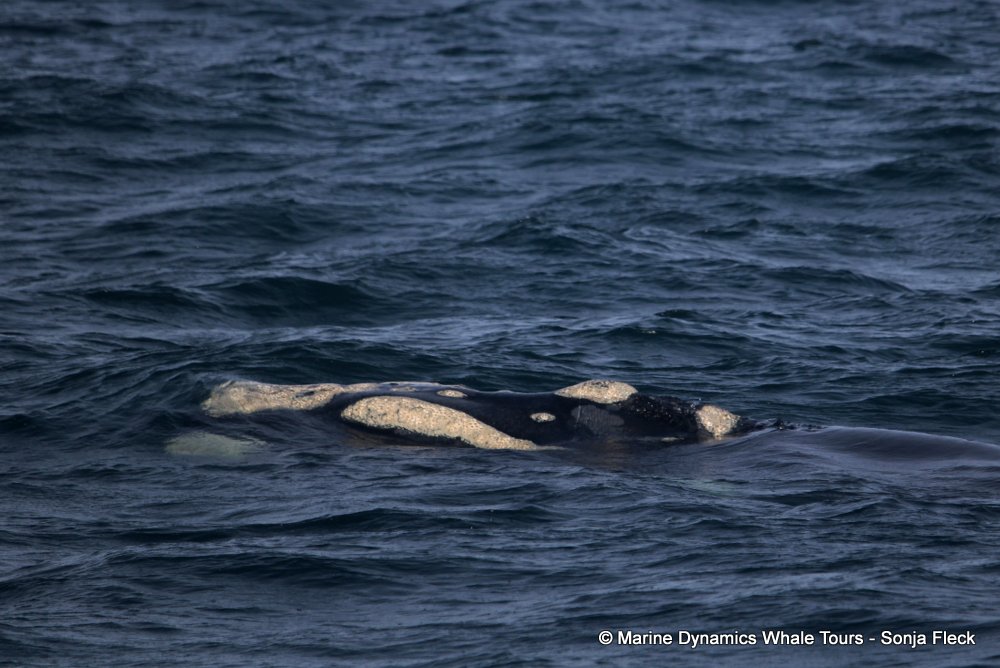
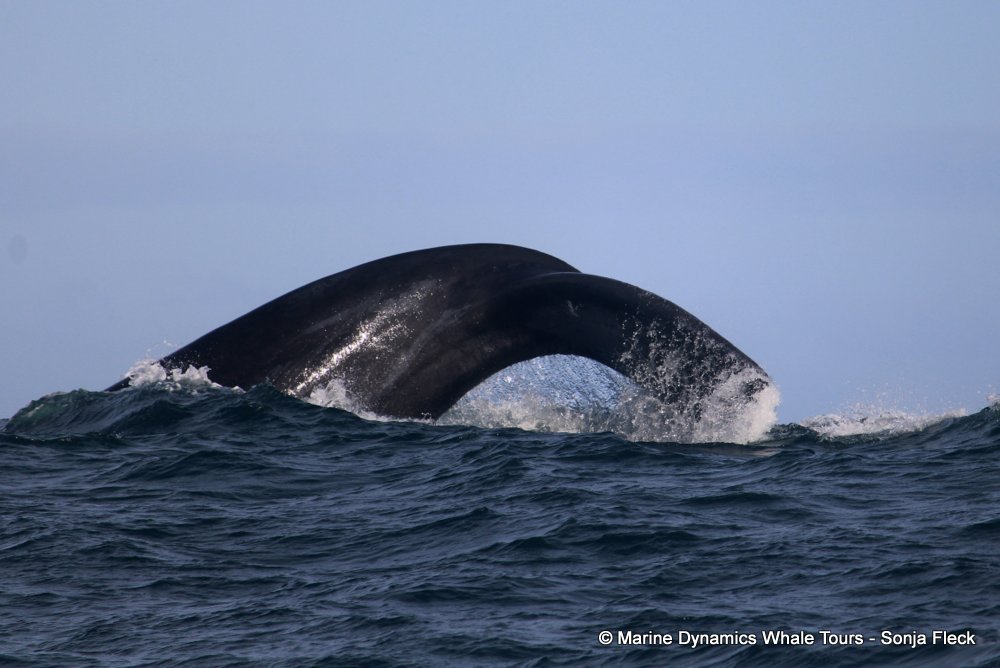
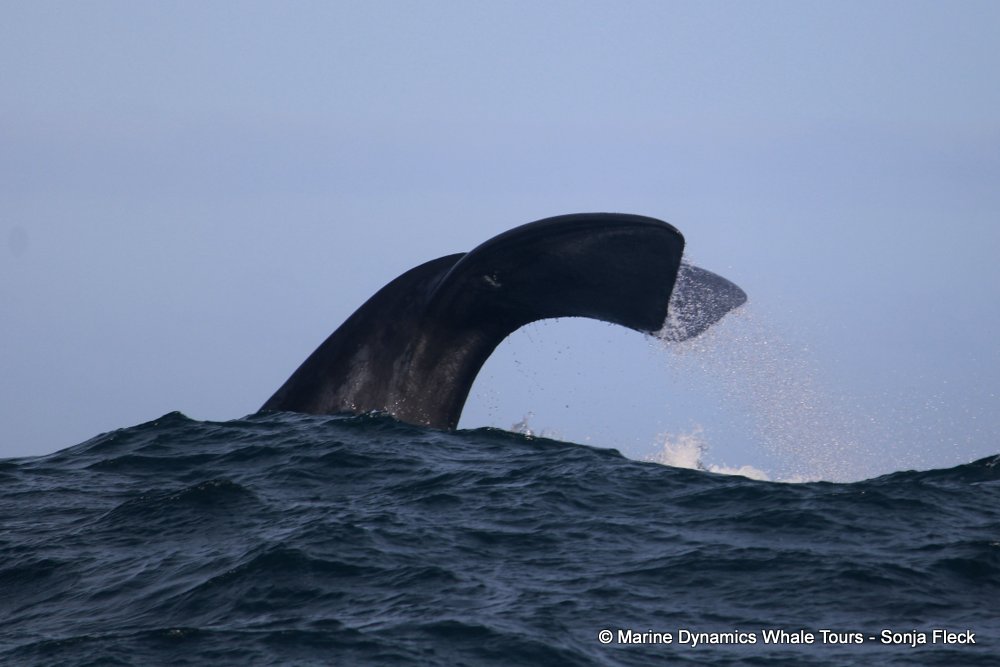
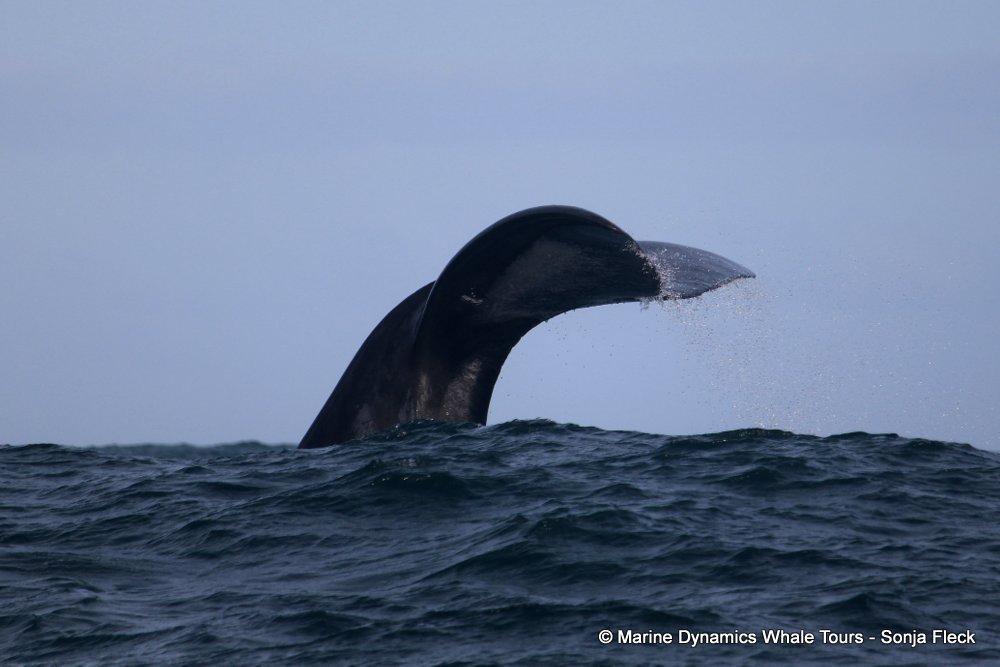
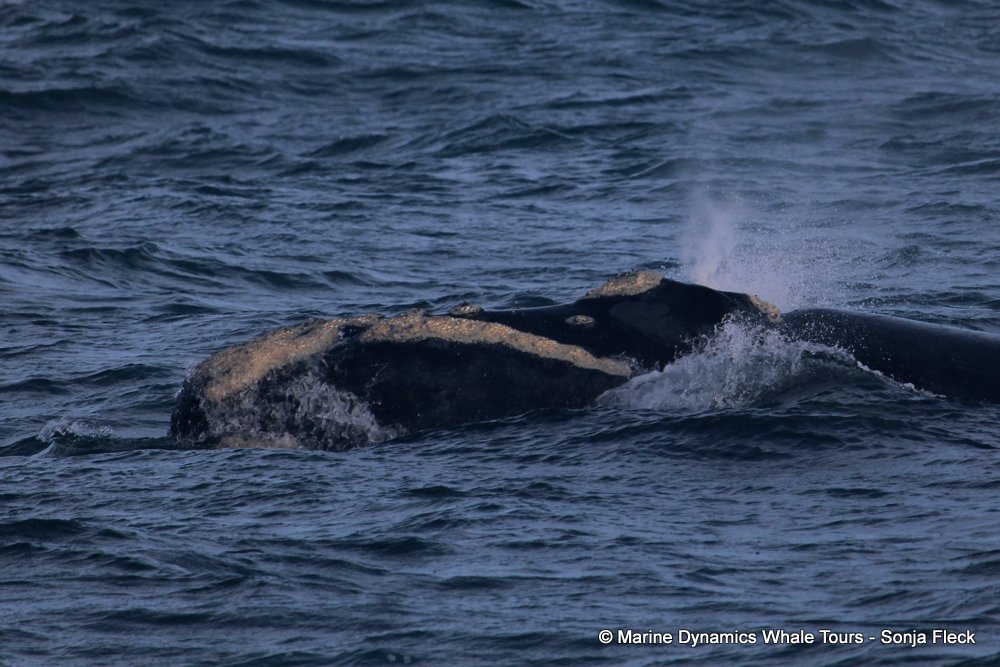
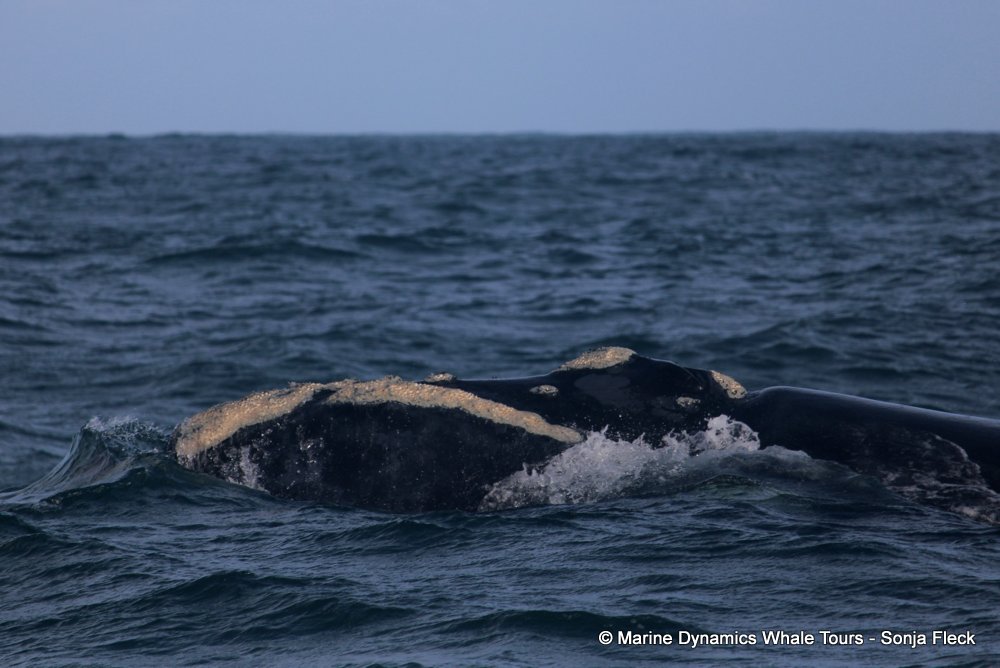
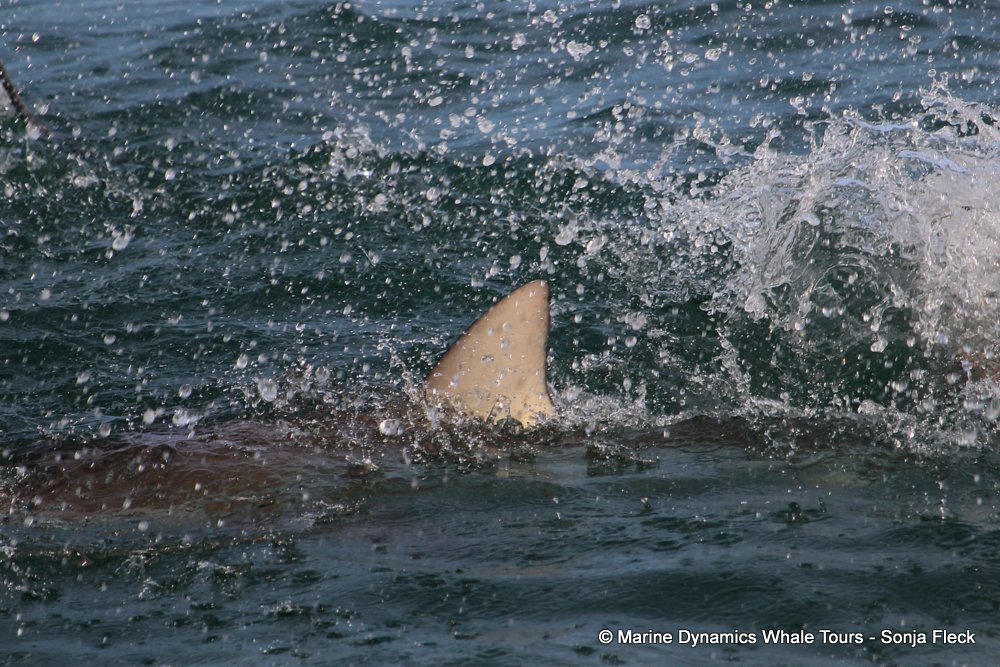
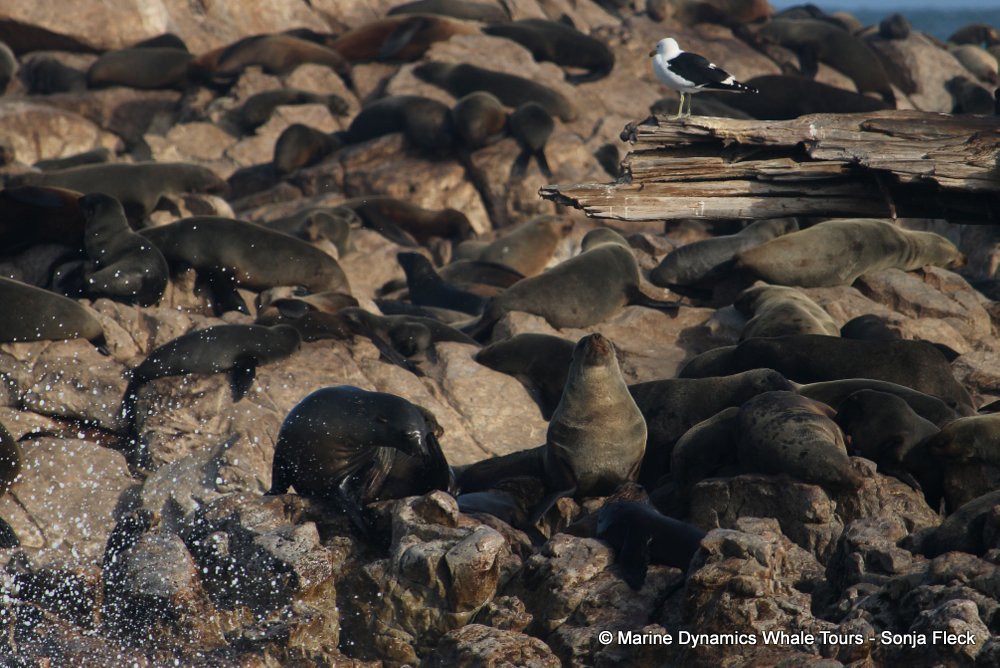
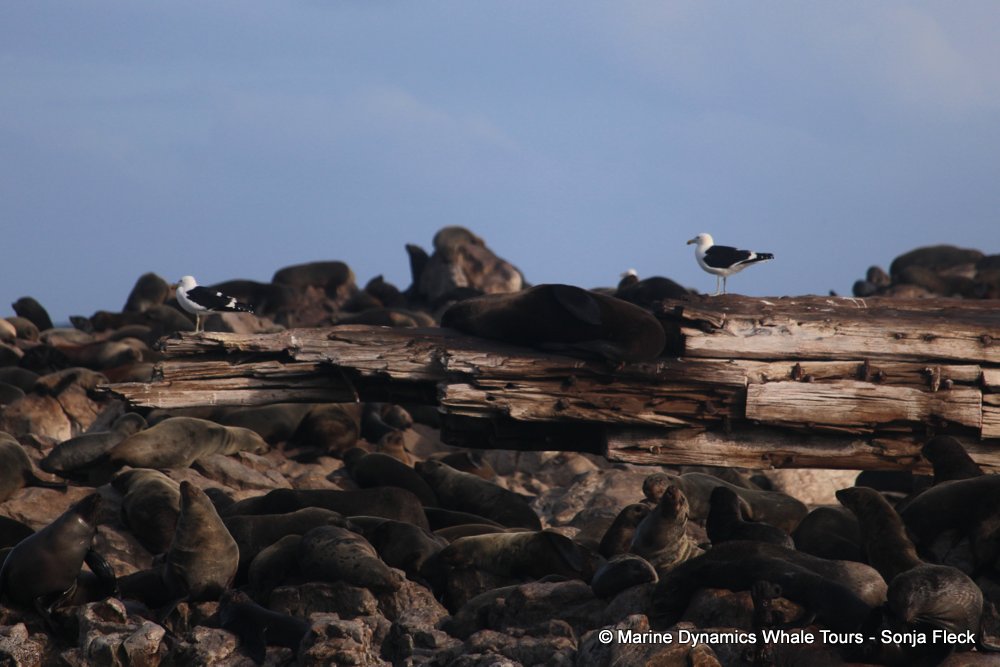
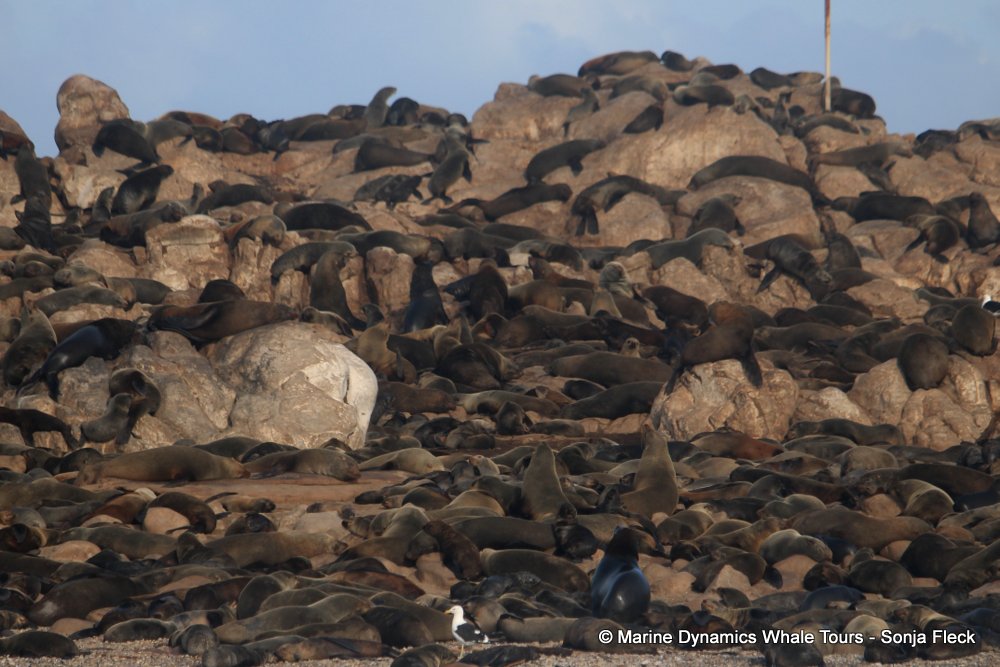
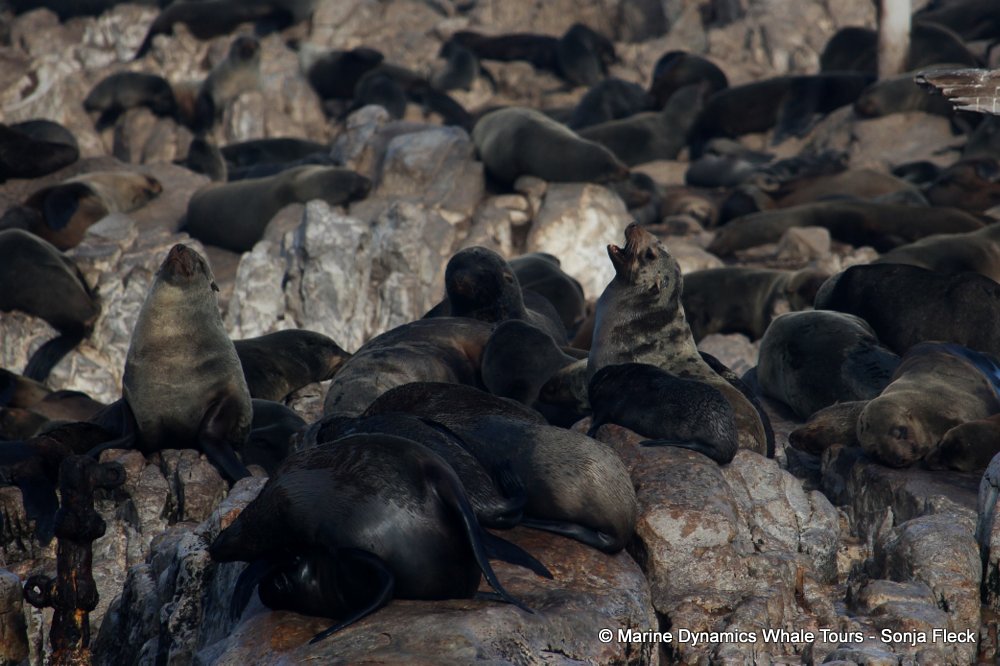
After two days of being on land, we headed back out to sea. With two trips ahead of us, we wasted no time and welcomed our guests aboard. On both trips, we were able to get some looks at our beloved Bronze whaler sharks of the area. Around the island system, we made a stop by Geyser Rock and its Cape fur seal colony of an estimated 15.000 individuals. The critically endangered African Penguins could be seen on Dyer Island on our first trip, whereas on our second trip, we got to see a decent-sized raft in the water. In deeper waters, our first trip was accompanied by numerous pelagic bird species, including an absolute highlight for any birder: a huge number of Prions, a species hardly ever seen in our area! While a very elusive whale was spotted on the first trip and stayed down for long, our second trip got lucky with an encounter of a Southern Right whale.
TripAdvisor – https://bit.ly/2YZ0jDR
Google – https://g.page/r/Caej8uYZYnR8EBE/review
Facebook – https://www.facebook.com/WhaleWatchSA
What species did we see today?
Bronze Whaler Shark Bronze Whaler Shark
The Bronze whaler (also known as Copper sharks) here in Kleinbaai are very curious and interactive. These sharks eat mostly fish, with sardines being one of their favourites.
Cape fur seal Cape fur seal
With a local population of 60,000, it's no wonder our guests capture so many photographs of these wonderfully playful marine mammals.
African Penguin African Penguin
As one of only 17 penguin species left in the world (and the only one on the african continent), the african penguin often breed in offshore colonies, such as Dyer Island.
Southern Right Whale Southern Right Whale
Southern right whales attract thousands of visitors every year to experience these gentle giants off the South African coast.
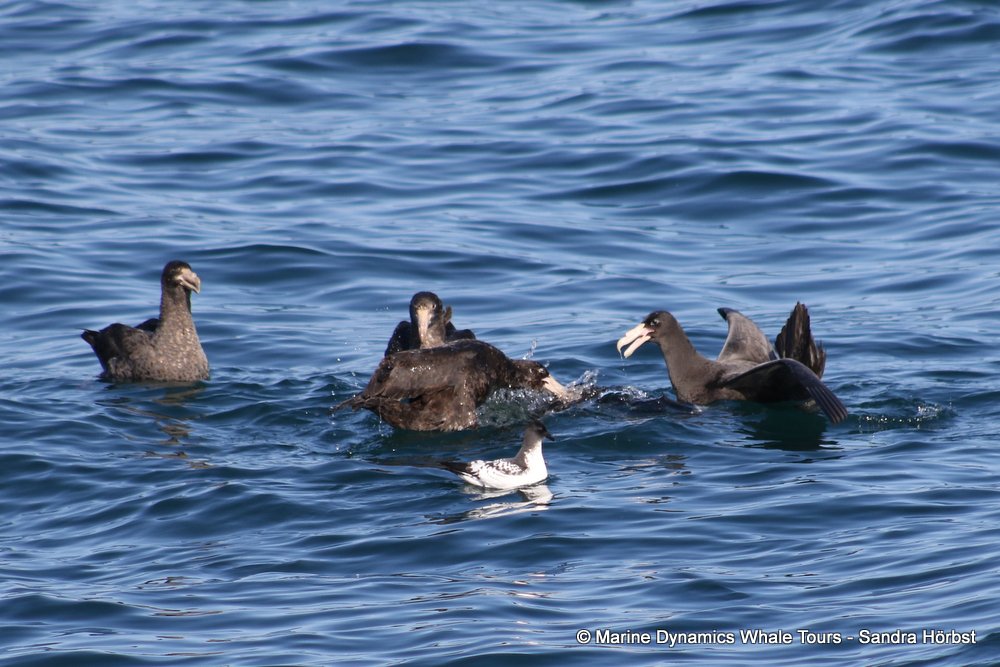
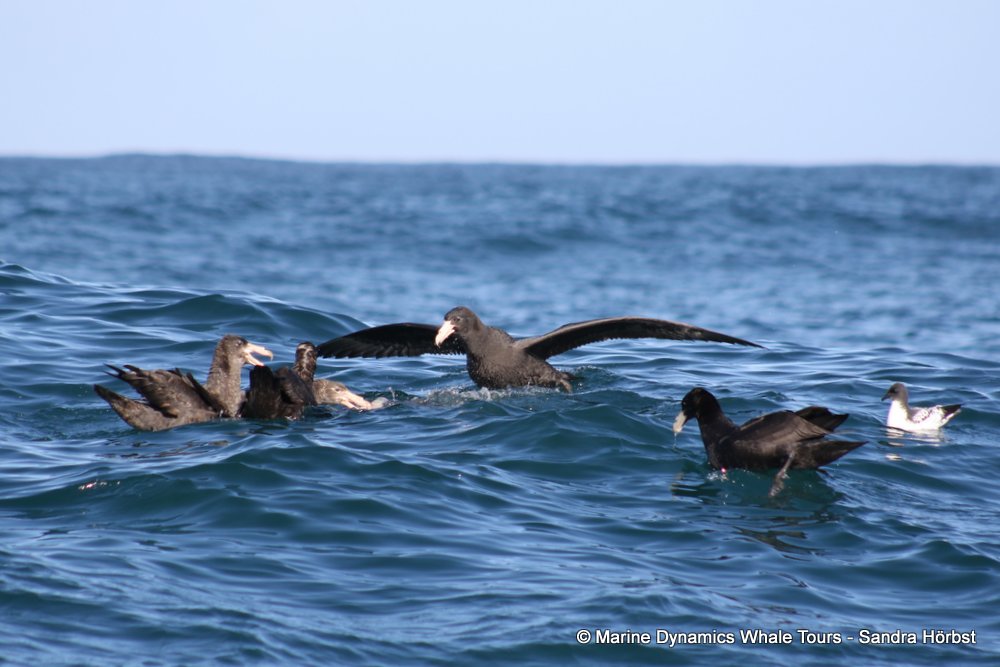
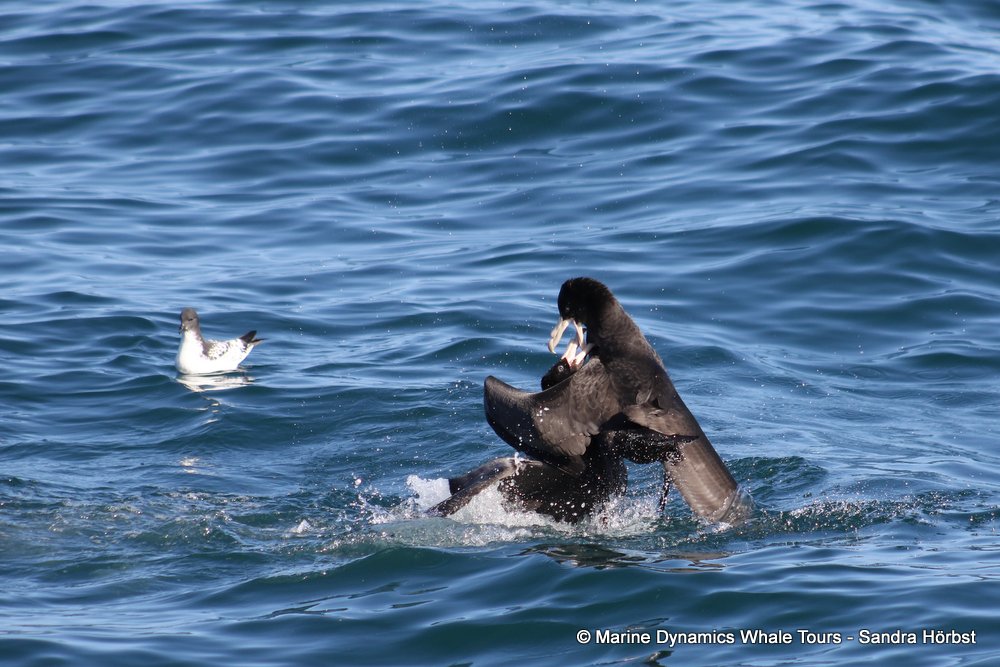
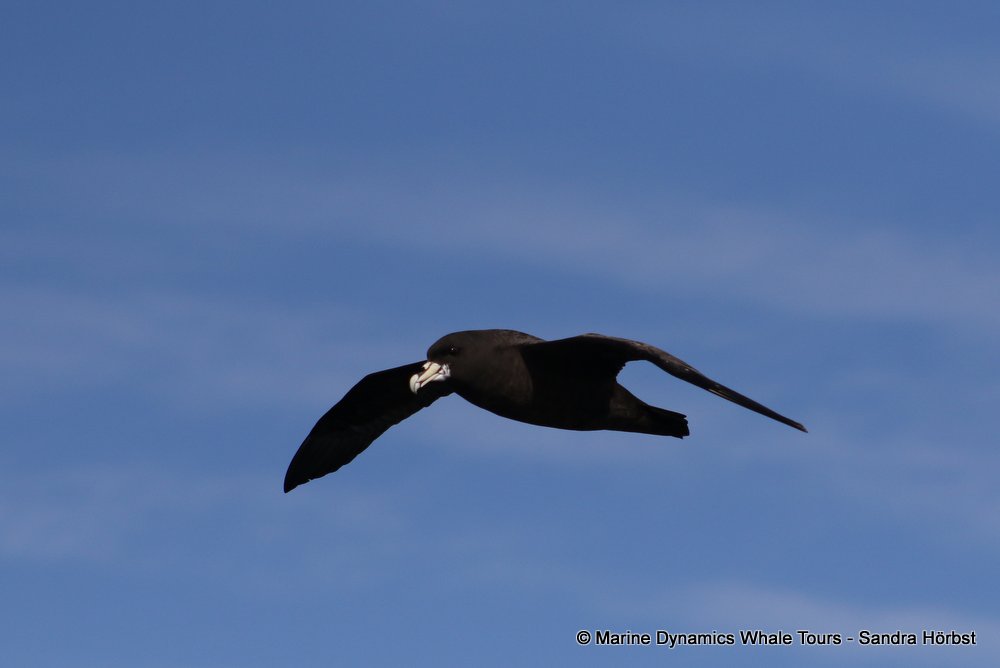
Giant Petrel Giant Petrel
Around the Greater Dyer Island area we encounter both species of Giant Petrel, the Southern Giant Petrel and Northern Giant Petrel.
