
Marine Big 5 Daily Blog 15 January
Written by January 15 2026
Whale Watching near Cape Town, South Africa – Welcome to Gansbaai, home of the Marine Big 5.
Trip Summary 15 January 2026:
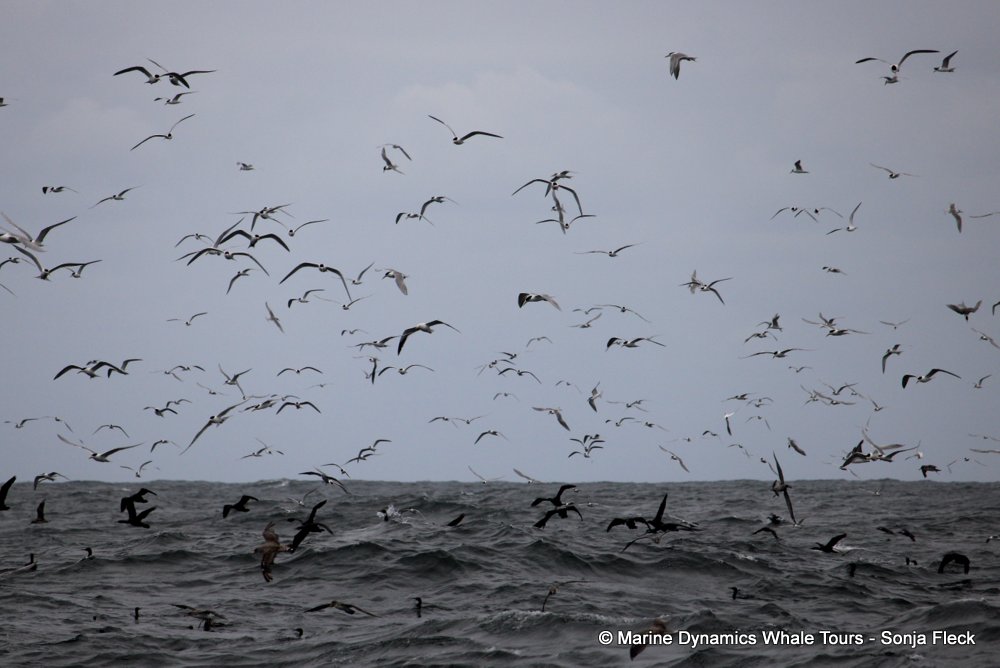
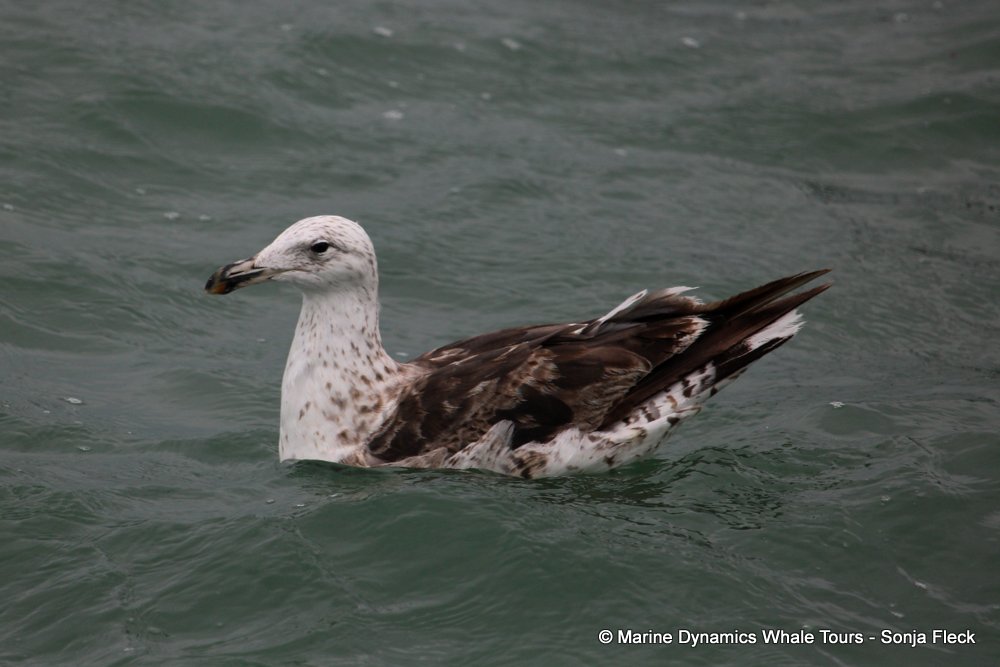
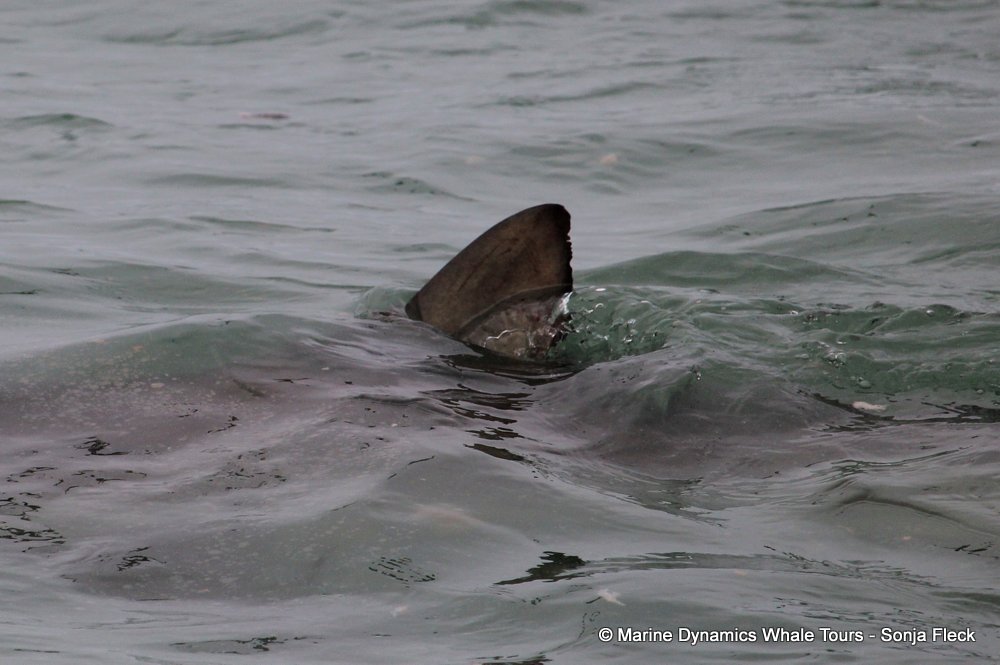
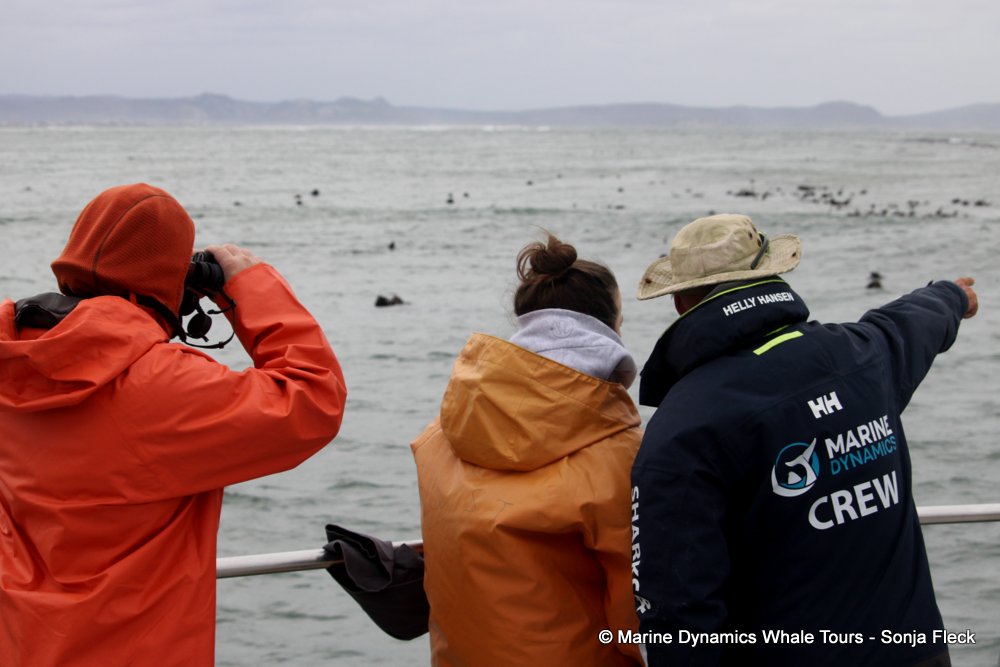
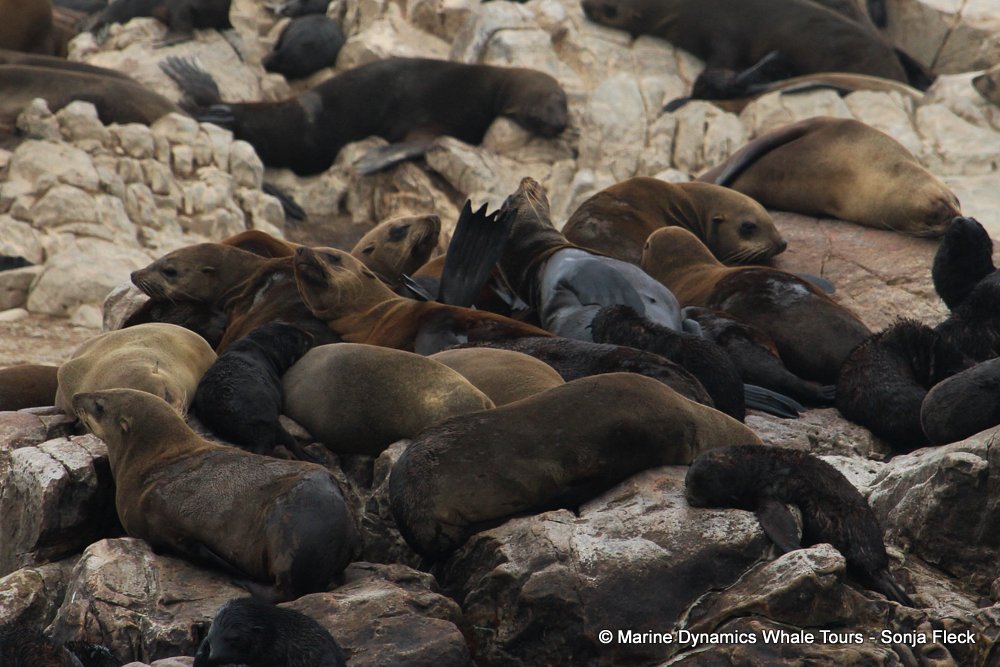
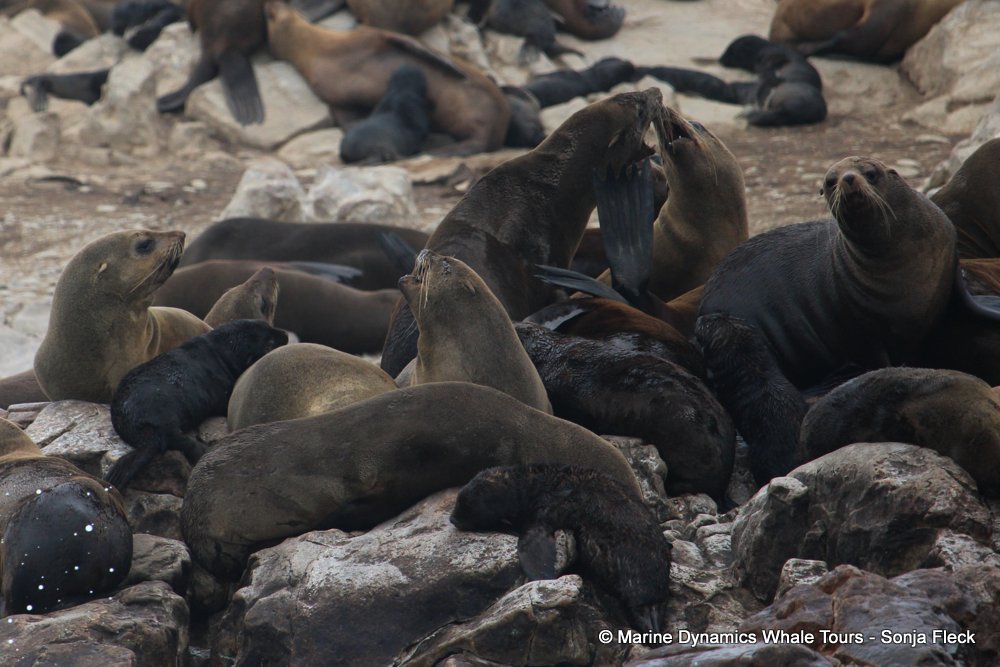
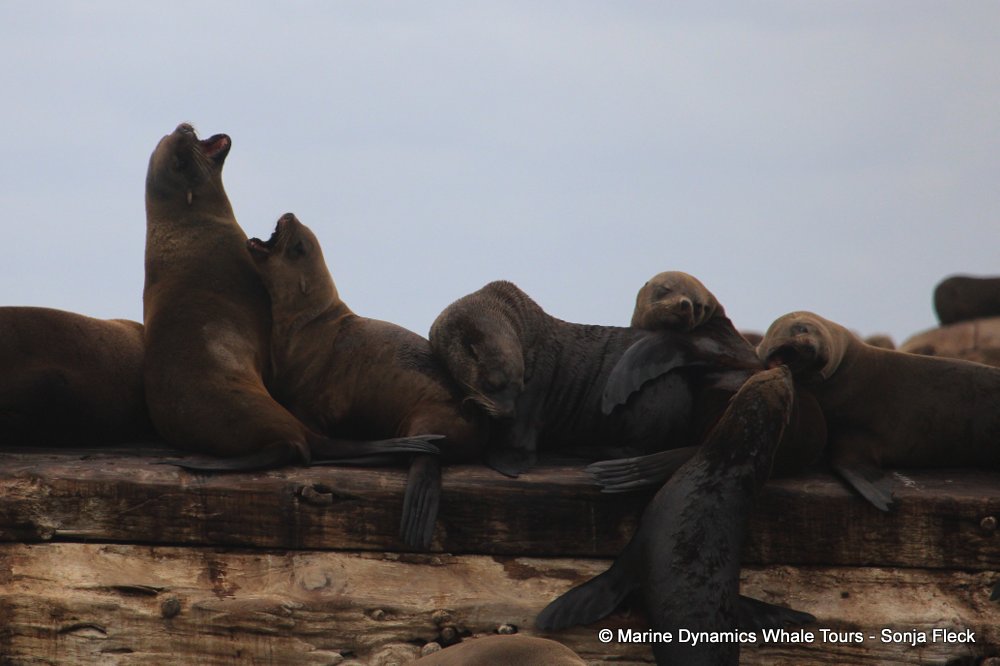
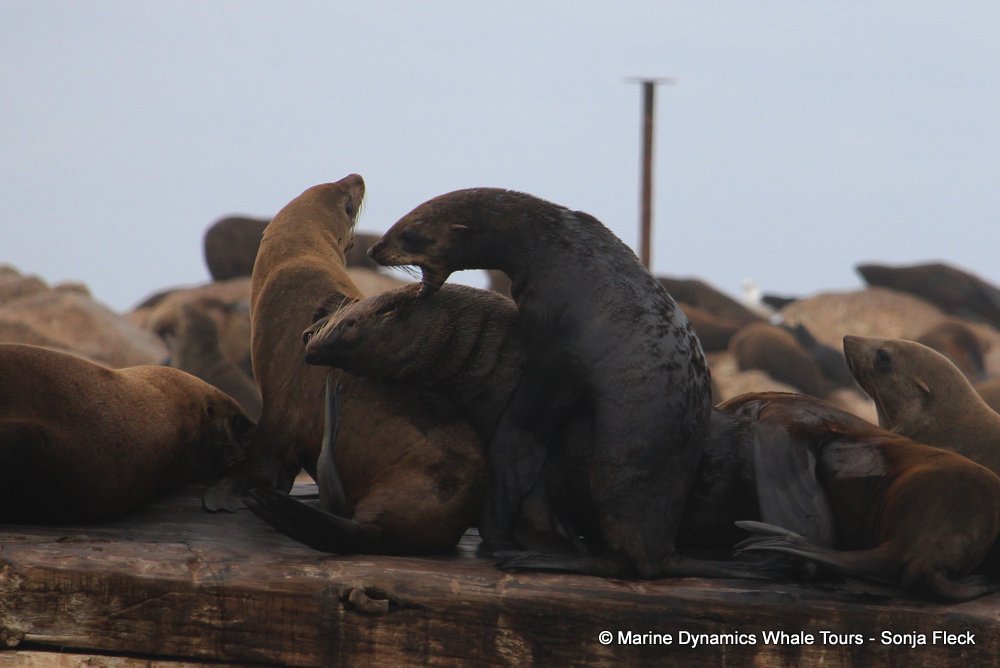
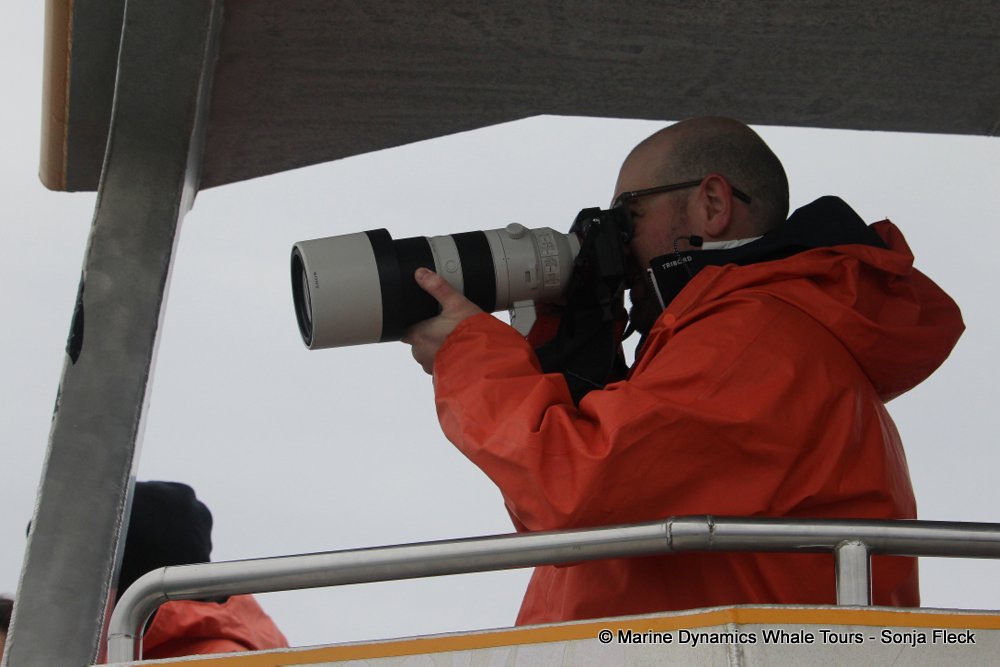
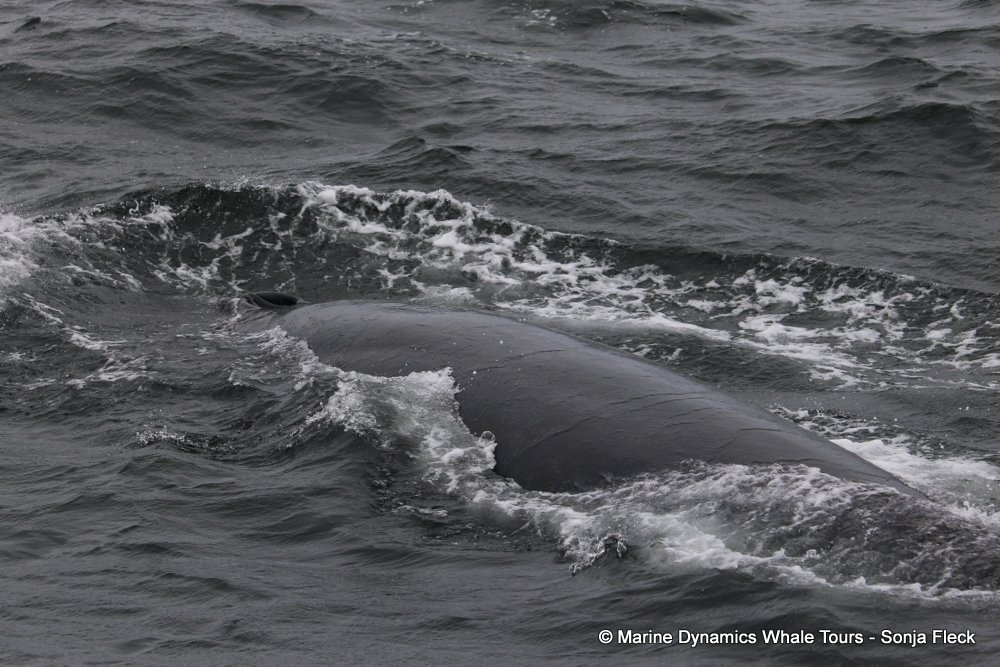
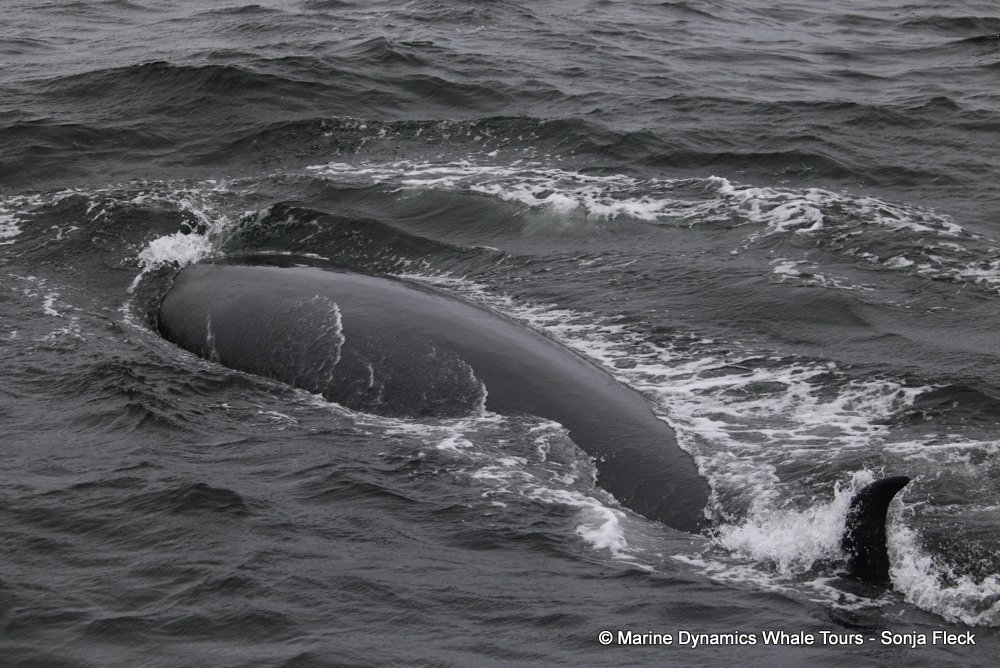
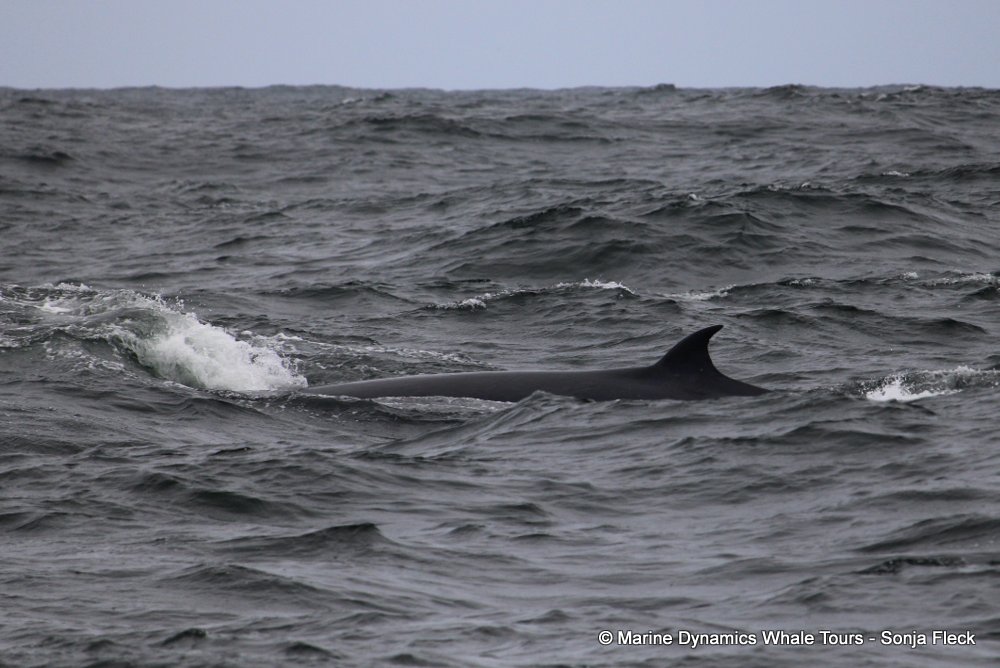
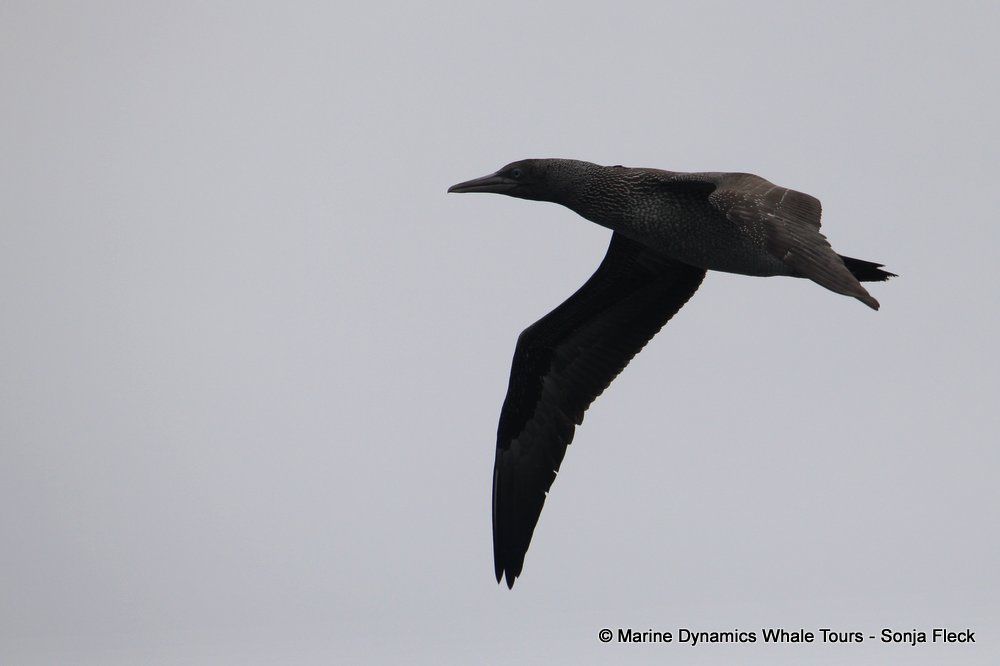
Facing some swell and wind today, we prepared to head out to sea. Welcoming our guests aboard Dream Catcher, we left Kleinbaai Harbour behind us and headed towards the Shallows, where our Shark cage diving vessel, Slashfin, was anchored. Right after approaching the boat, the first Bronze whaler sharks appeared, and we got some nice glimpses at a few individuals. We continued towards Dyer Island, but unfortunately, due to high swells around the island, we could not get close; nonetheless, we made sure our guests found out everything about the island and its population of the critically endangered African Penguins. Next up, the Cape fur seals were warming up on Geyser Rock while others were in the cool waters of Shark Alley. Last but not least, we ventured into deeper waters and spotted a variety of diving birds, including Sooty and Cory’s Shearwater, Cape Gannets, Terns, and Cape Cormorants. Between the diving birds, we spotted the spout of a whale and were treated to some nice and close-up looks at a Bryde’s whale.
TripAdvisor – https://bit.ly/2YZ0jDR
Google – https://g.page/r/Caej8uYZYnR8EBE/review
Facebook – https://www.facebook.com/WhaleWatchSA
What species did we see today?
African Penguin African Penguin
As one of only 17 penguin species left in the world (and the only one on the african continent), the african penguin often breed in offshore colonies, such as Dyer Island.
Bronze Whaler Shark Bronze Whaler Shark
The Bronze whaler (also known as Copper sharks) here in Kleinbaai are very curious and interactive. These sharks eat mostly fish, with sardines being one of their favourites.
Cape fur seal Cape fur seal
With a local population of 60,000, it's no wonder our guests capture so many photographs of these wonderfully playful marine mammals.
Brydes Whale Brydes Whale
The mysterious Bryde's whales visit the Dyer Island area throughout the year, with most sightings occurring during summer into winter.
