
Marine Big 5 Daily Blog 24 May
Written by May 24 2026
Whale Watching near Cape Town, South Africa Welcome to Gansbaai, home of the Marine Big 5.
Trip Summary 24 May 2026:
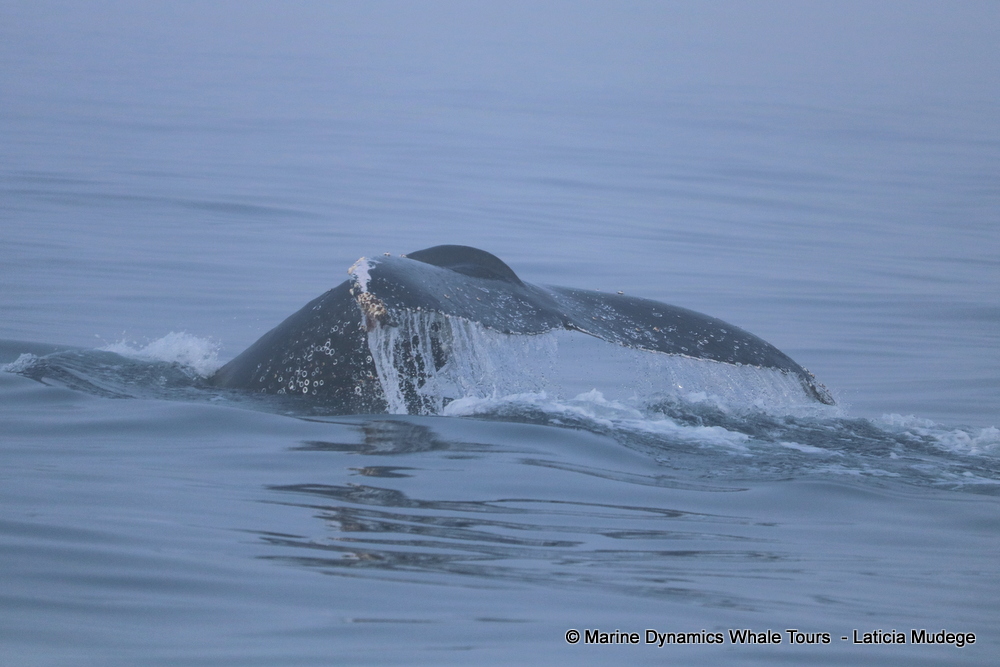
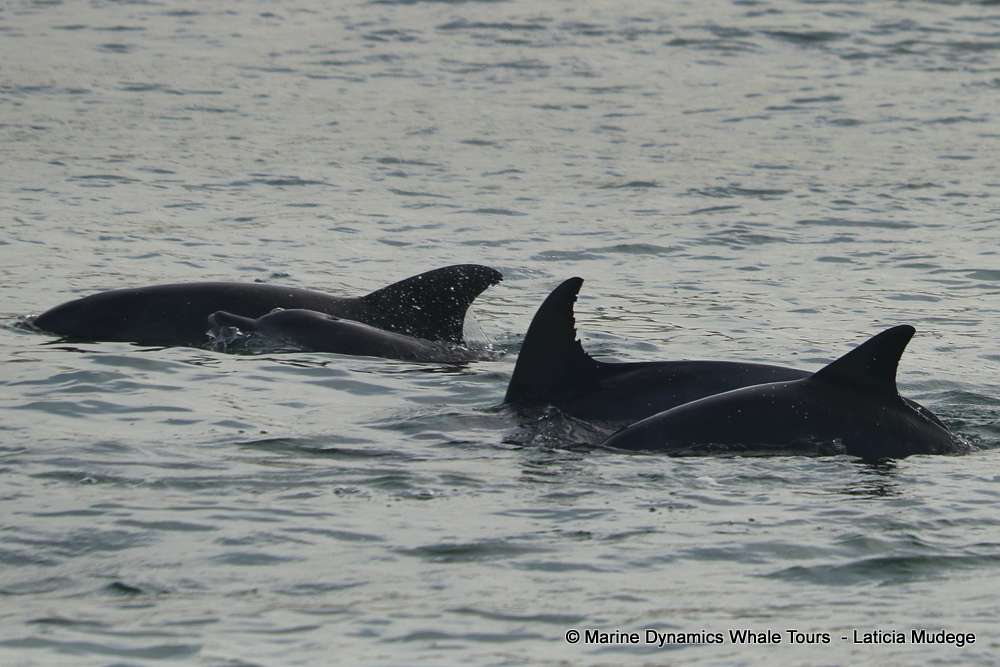
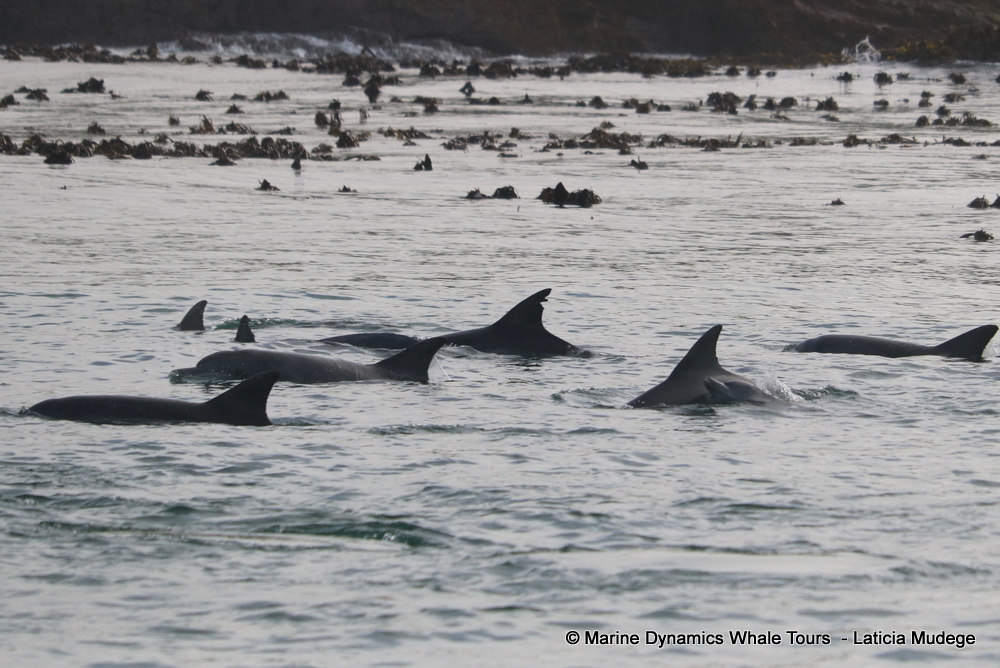
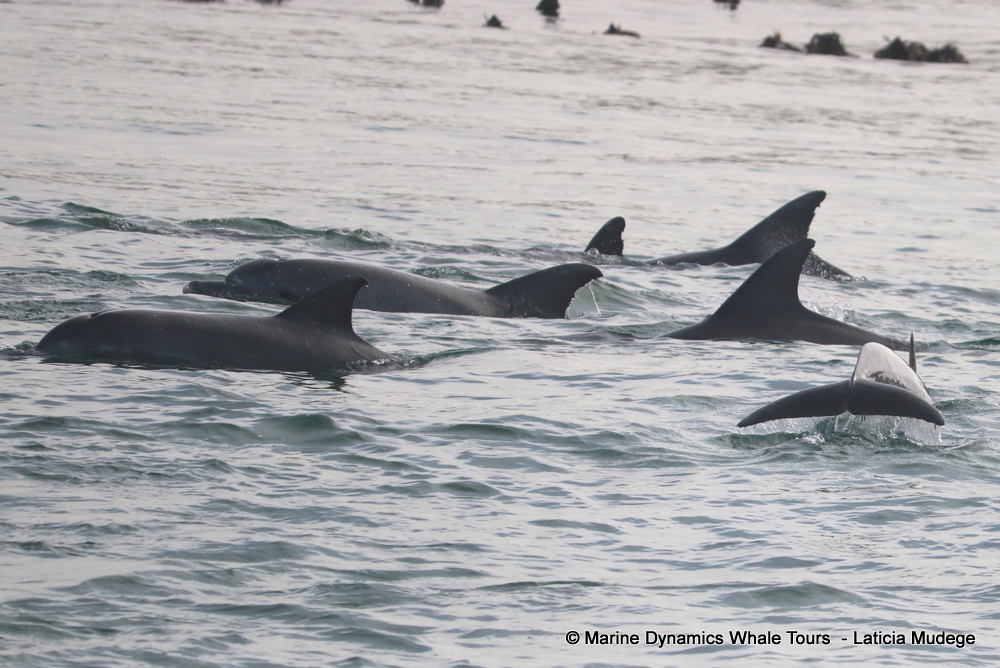
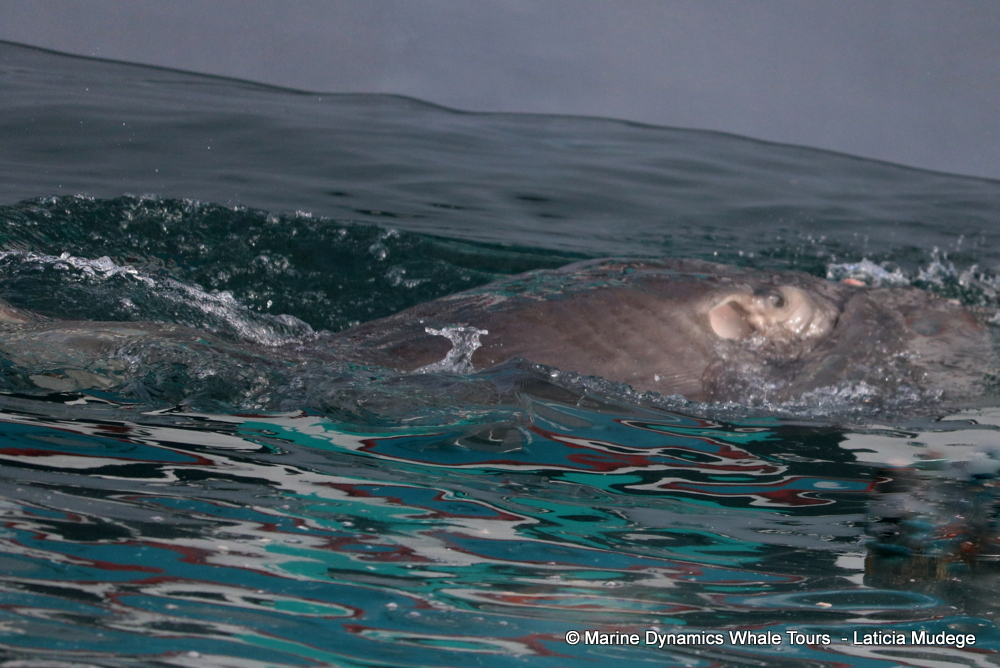
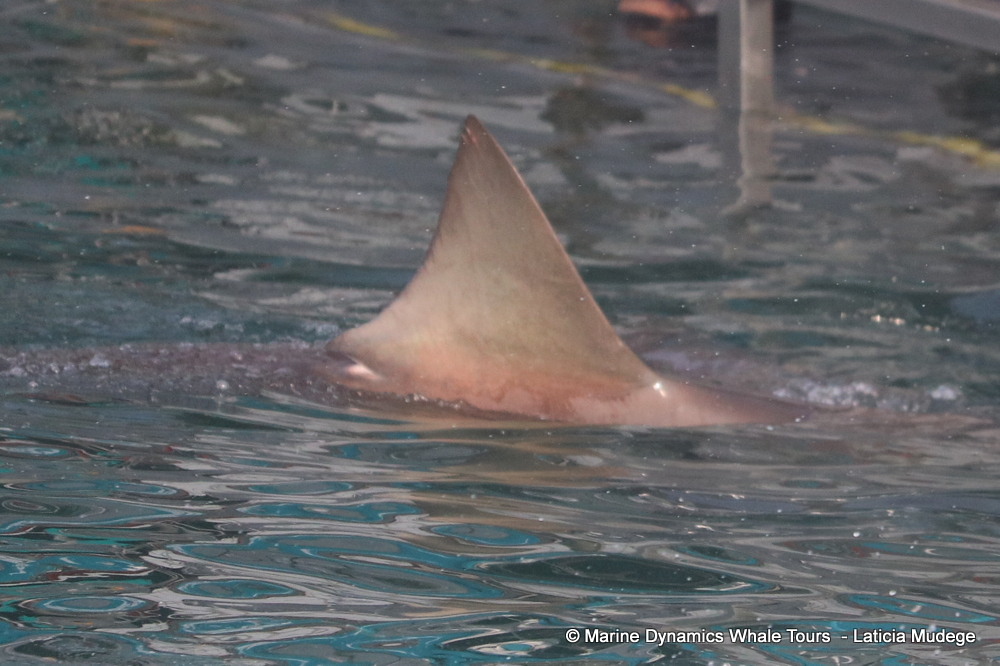
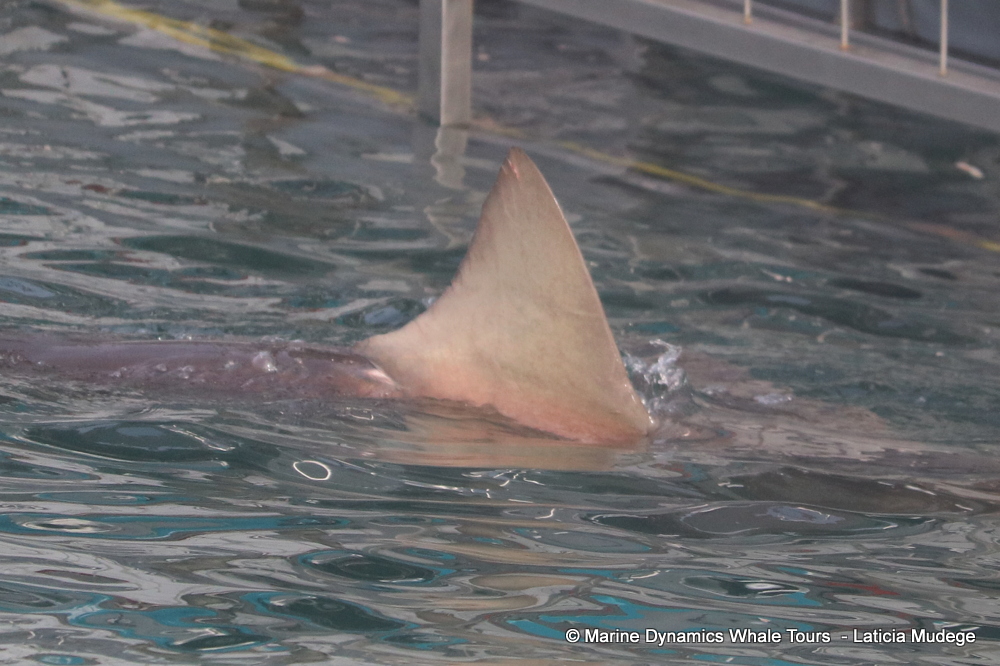
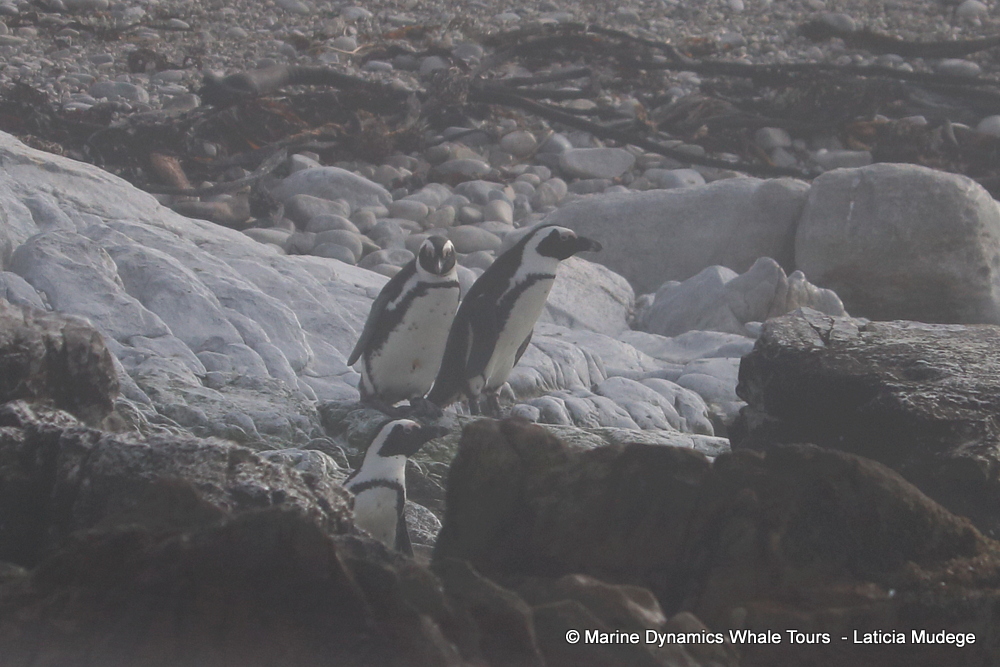
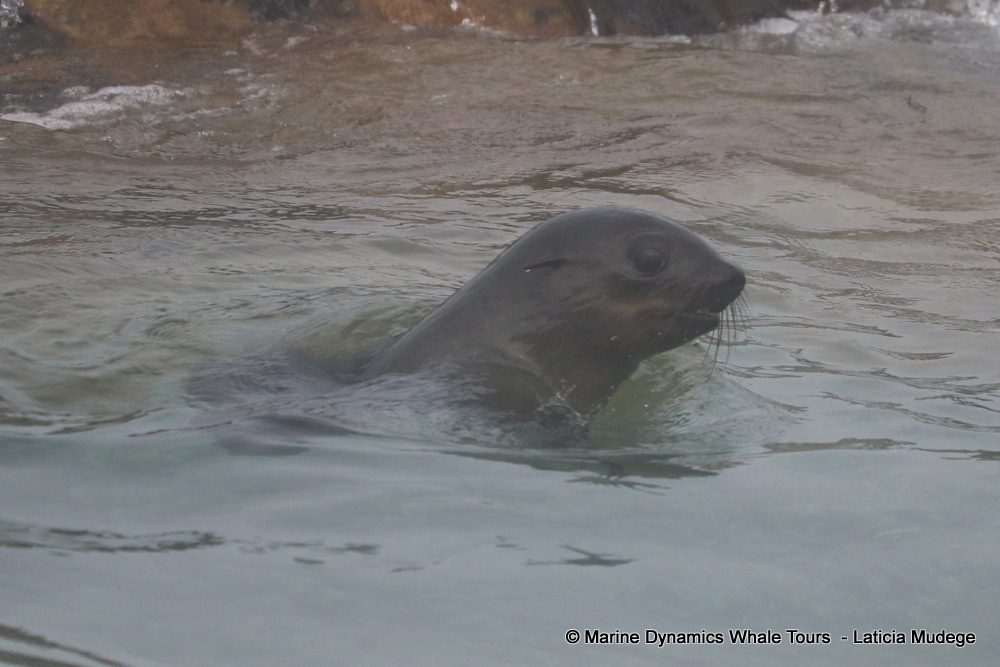
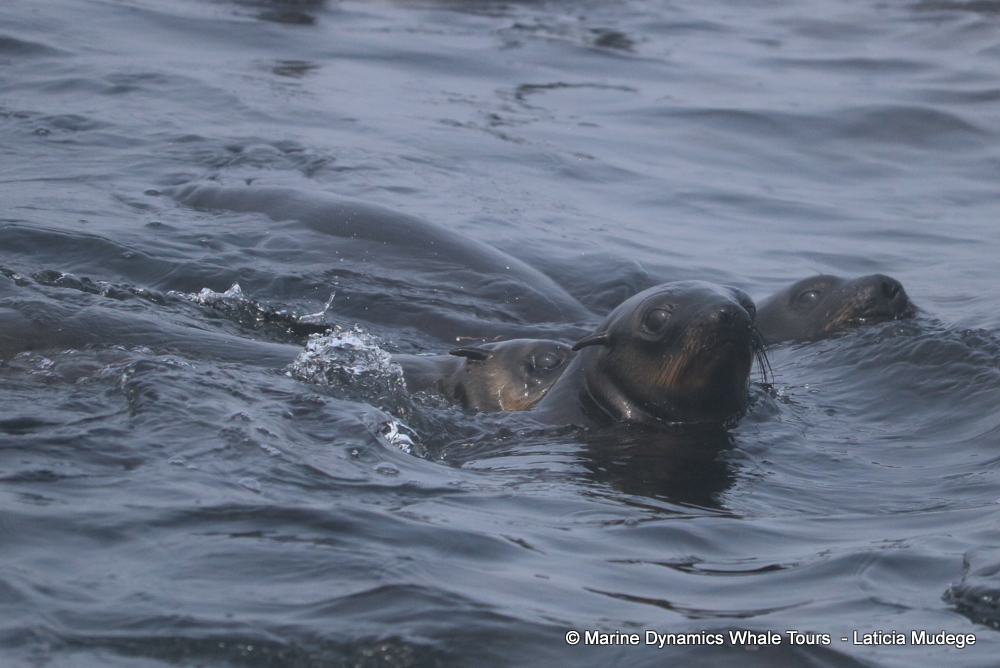
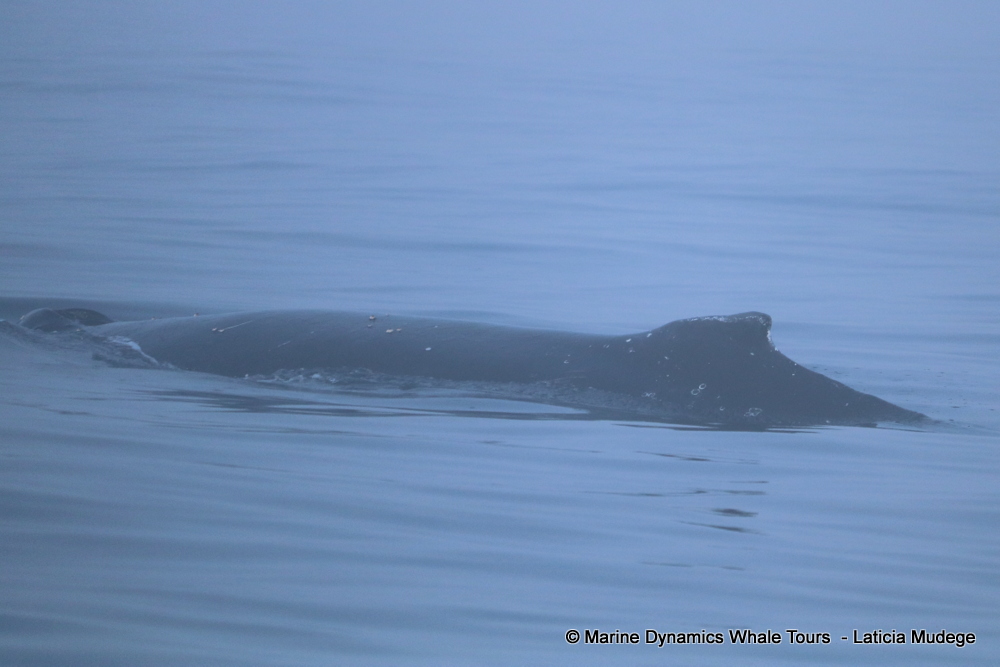
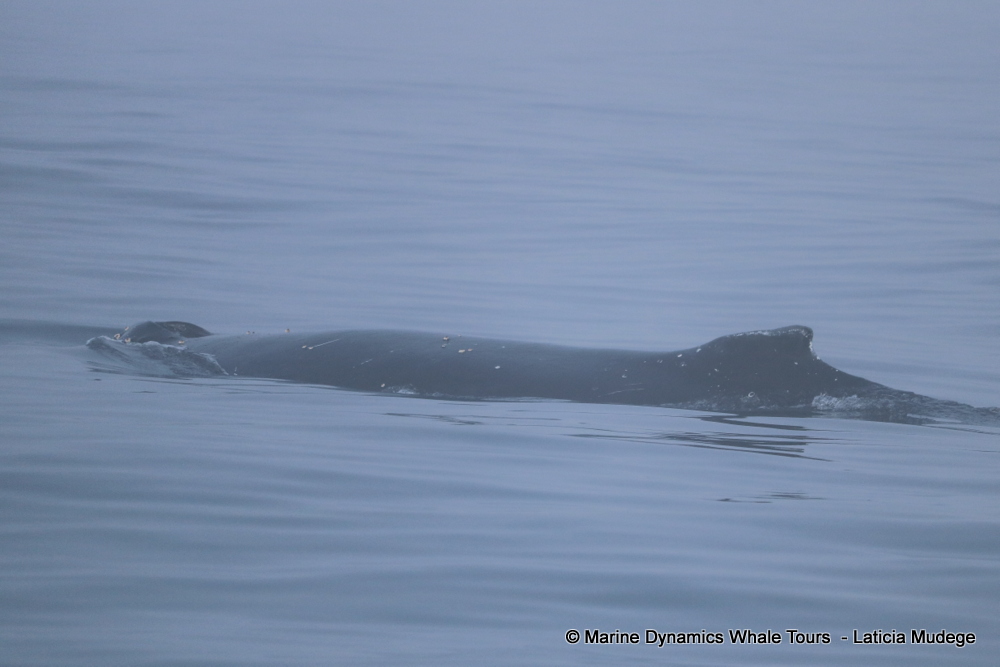
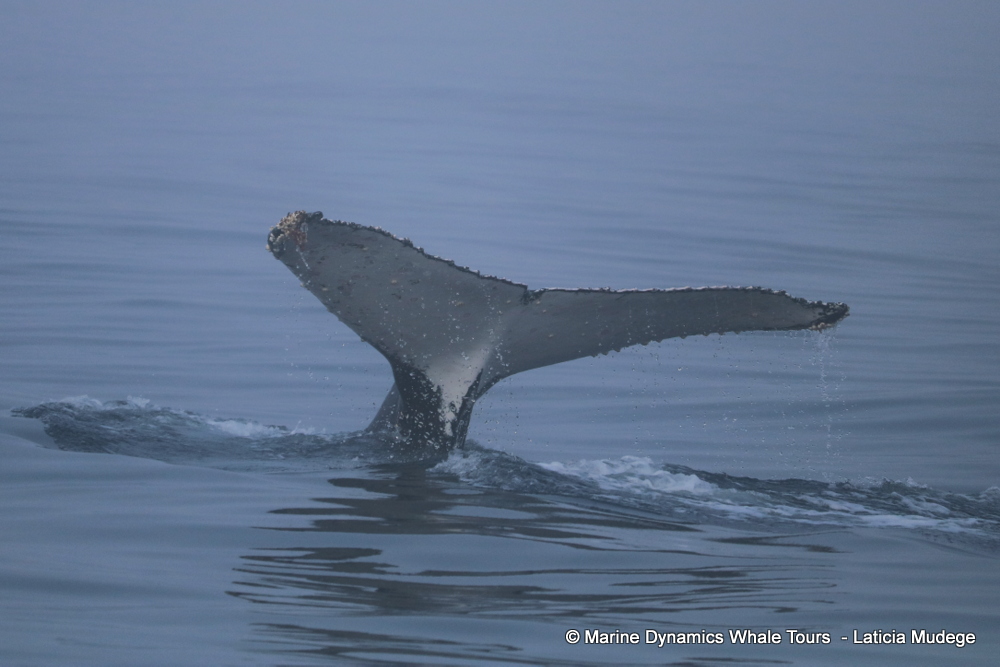
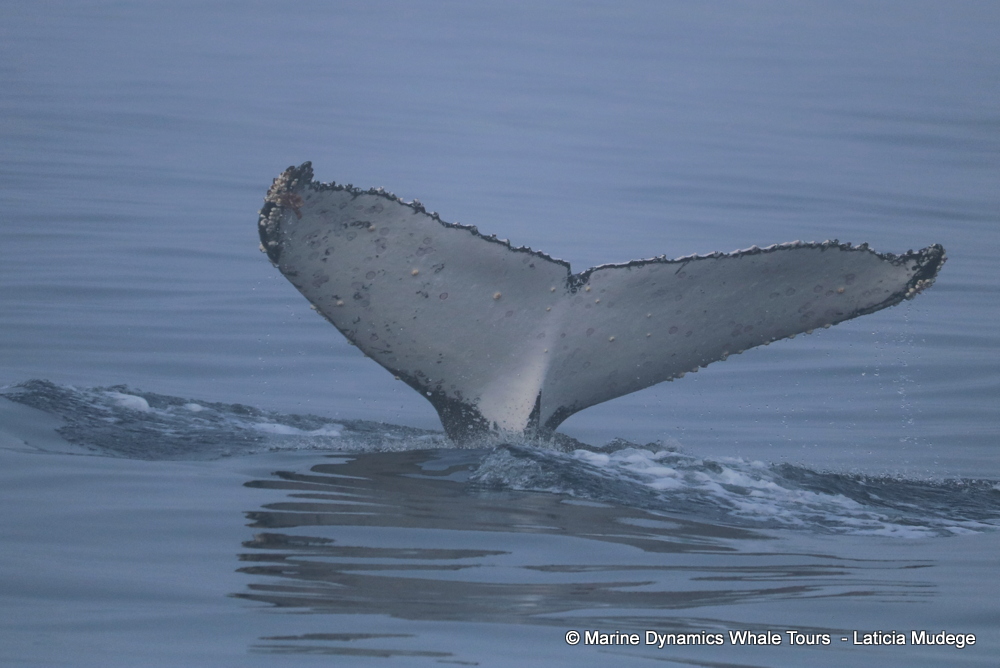
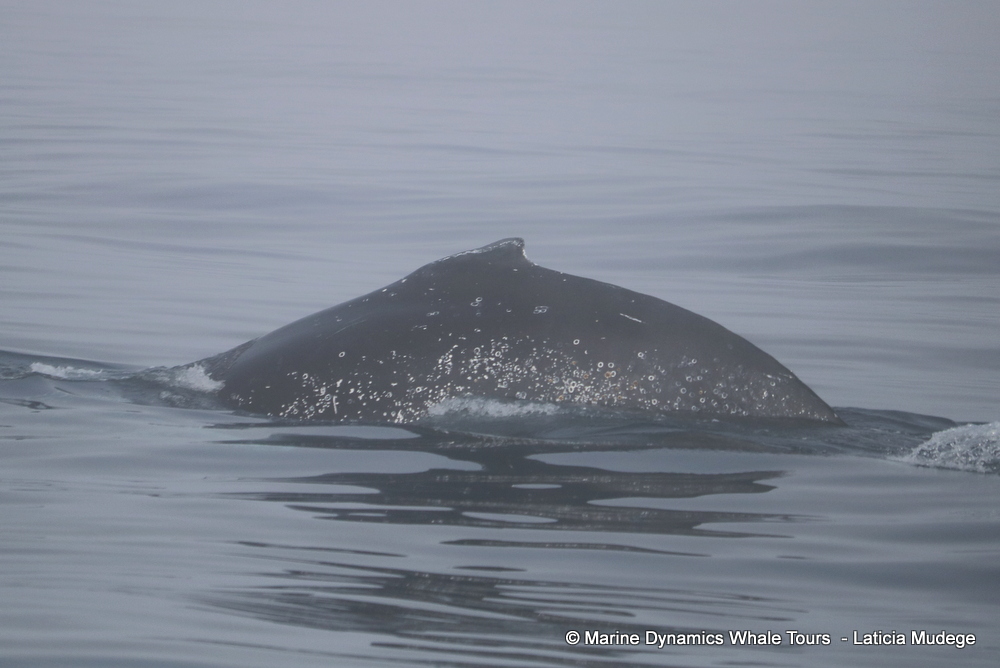
Our day began with a foggy and atmospheric start as mist surrounded us while launching from Kleinbaai Harbour. It did not take long for the ocean to reward us, as our first trip was lucky enough to encounter a small pod of bottlenose dolphins just a few minutes into the bay. A usual stop was made near the shark diving vessels, where guests were able to catch a glimpse of a bronze whaler shark. No trip is complete without everyone’s favorite residents the playful Cape fur seals at Geyser Rock. Nearby, African penguins were also observed on Dyer Island, adding to the incredible diversity of marine life seen throughout the day. In deeper waters, we were fortunate enough to encounter a humpback whale, making for a truly memorable day out at sea.
Tripadvisor – https://bit.ly/2YZ0jDR
Google – https://g.page/r/Caej8uYZYnR8EBE/review
Facebook – https://www.facebook.com/WhaleWatchSA
What species did we see today?
African Penguin African Penguin
As one of only 17 penguin species left in the world (and the only one on the african continent), the african penguin often breed in offshore colonies, such as Dyer Island.
Cape fur seal Cape fur seal
With a local population of 60,000, it's no wonder our guests capture so many photographs of these wonderfully playful marine mammals.
Bronze Whaler Shark Bronze Whaler Shark
The Bronze whaler (also known as Copper sharks) here in Kleinbaai are very curious and interactive. These sharks eat mostly fish, with sardines being one of their favourites.
Humpback Whale Humpback Whale
One of the best-known whale species, they are renowned for their acrobatic behaviour and complex melodious song as well as extremely long flippers and are a special favourite of Dyer Island Cruises guests and crew alike.
Bottlenose Dolphin Bottlenose Dolphin
At present there are two recognized species of bottlenose dolphin, and in some cases, both species can be found in the same area. The two species are the common bottlenose dolphin (Tursiops truncatus), and the Indo-Pacific bottlenose dolphin (T. aduncus). In addition, there is a great deal of variation in colouration, diet and behaviour. The difference between the common bottlenose and Indo-Pacific bottlenose dolphin are subtle, but the common bottlenose dolphin generally larger and more robust with a slight darker colouration.
