
Marine Big 5 Daily Blog 16 December
Written by December 16 2025
Whale Watching near Cape Town, South Africa – Welcome to Gansbaai, home of the Marine Big 5.
Trip Summary 16 December 2025:
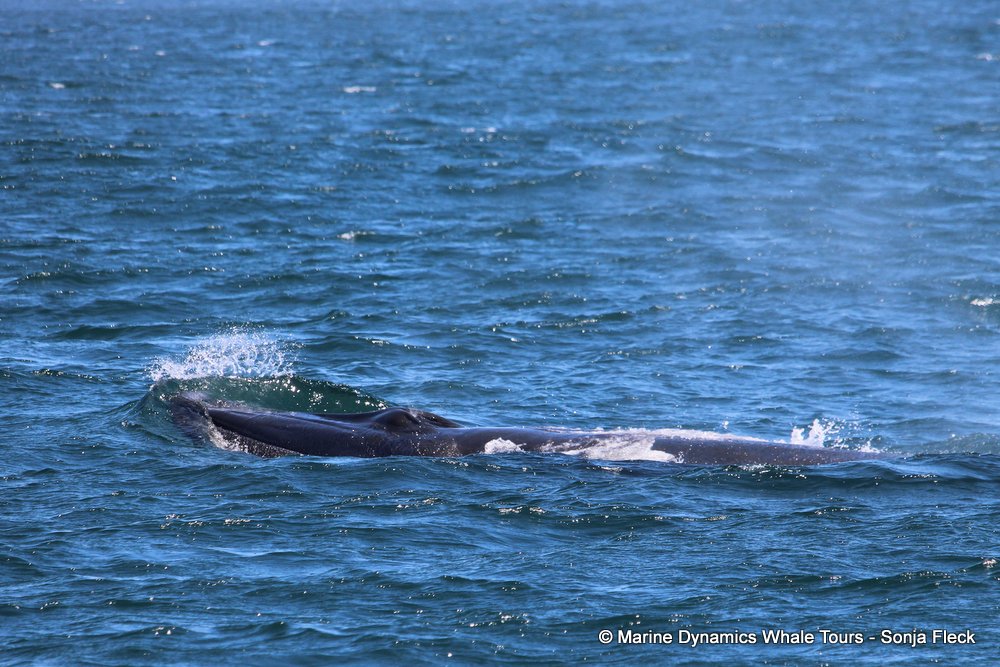
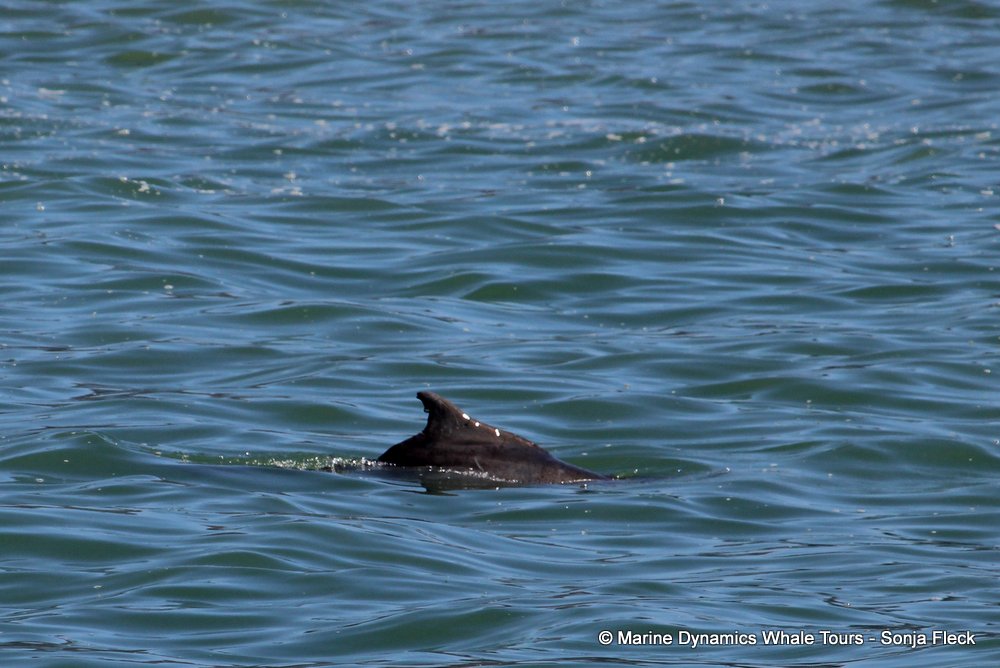
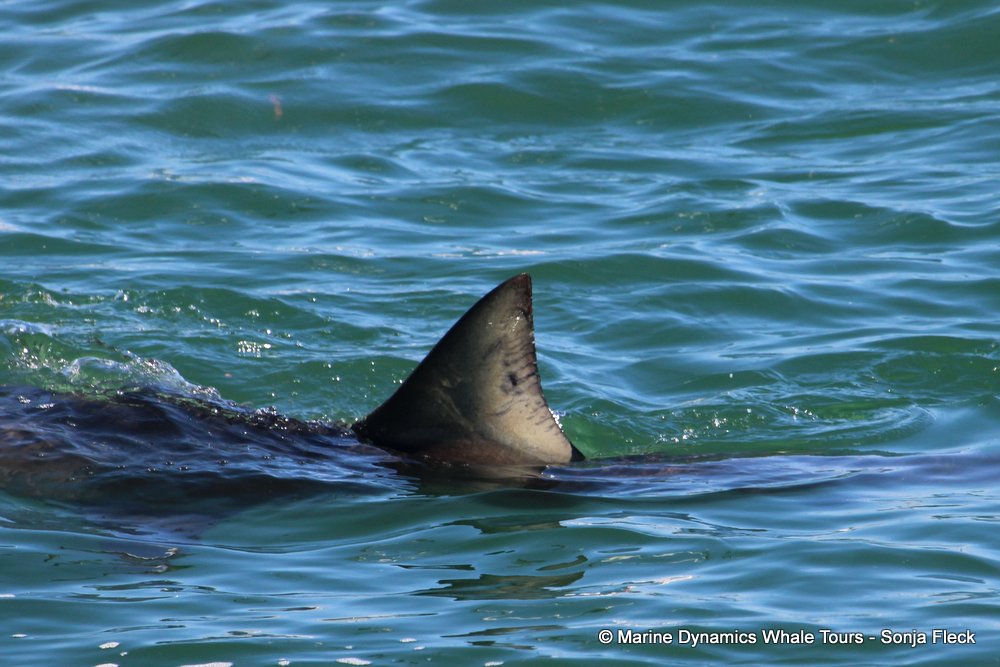
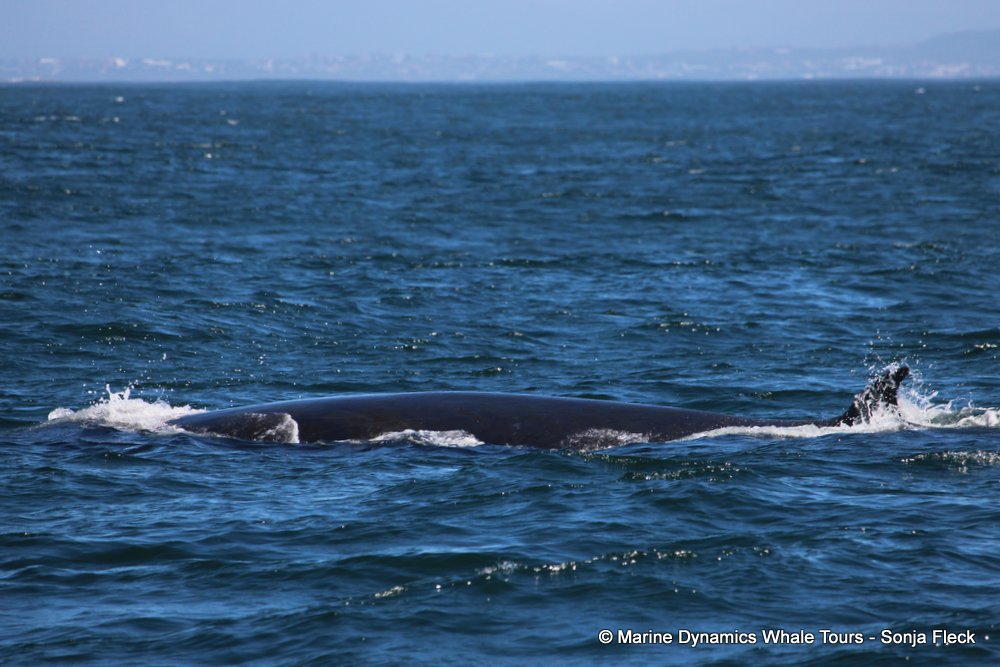
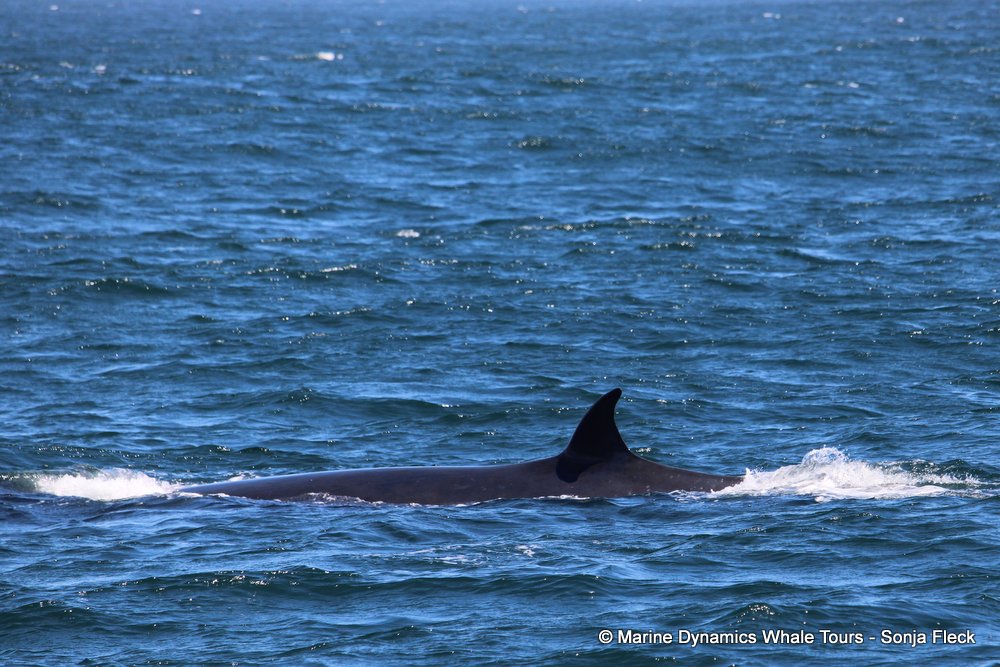
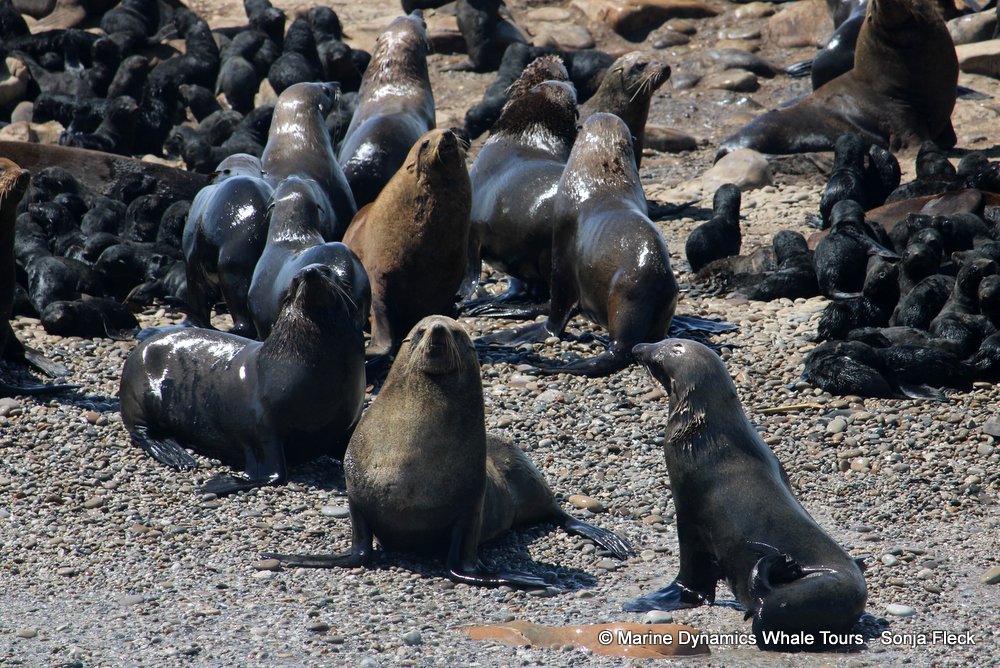
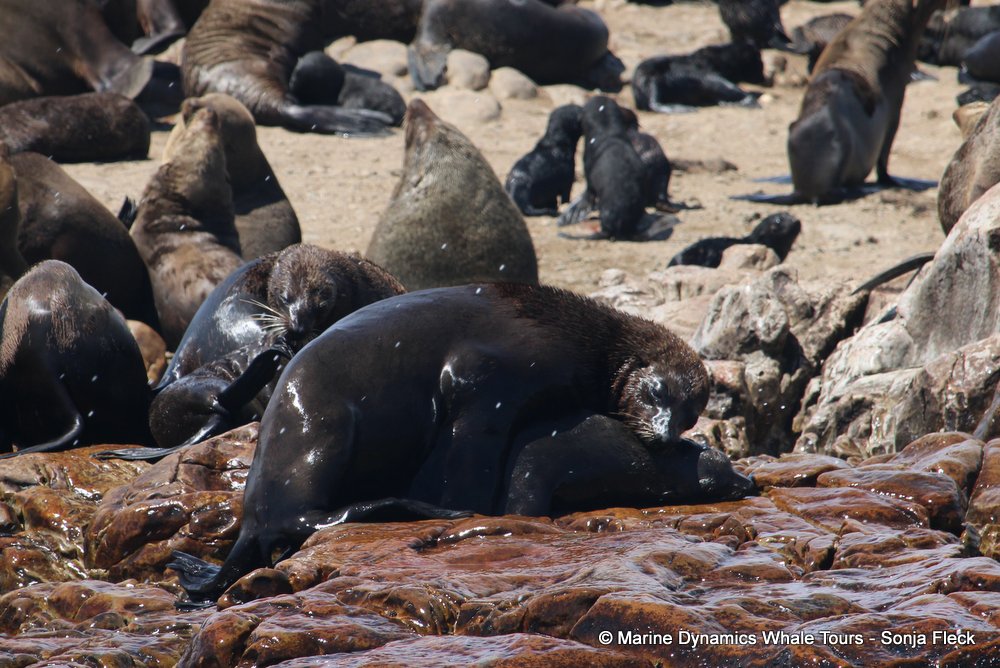
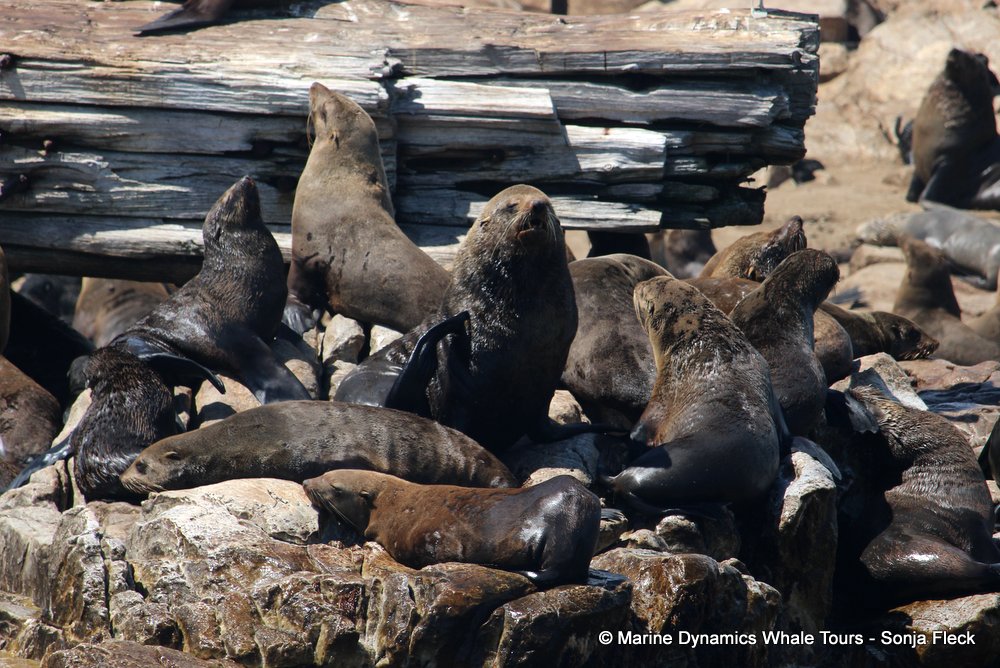
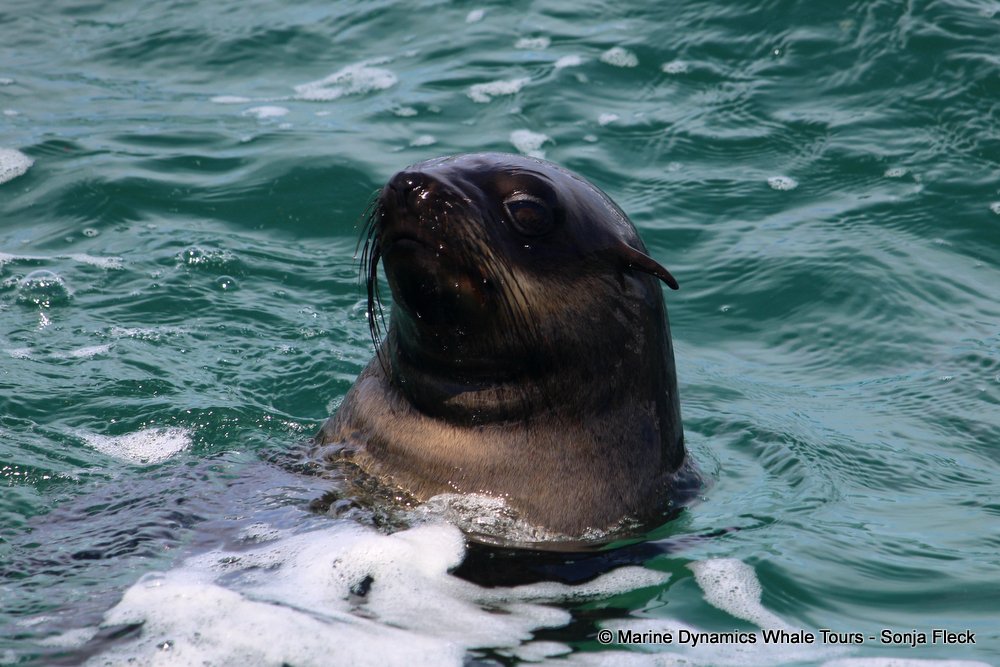
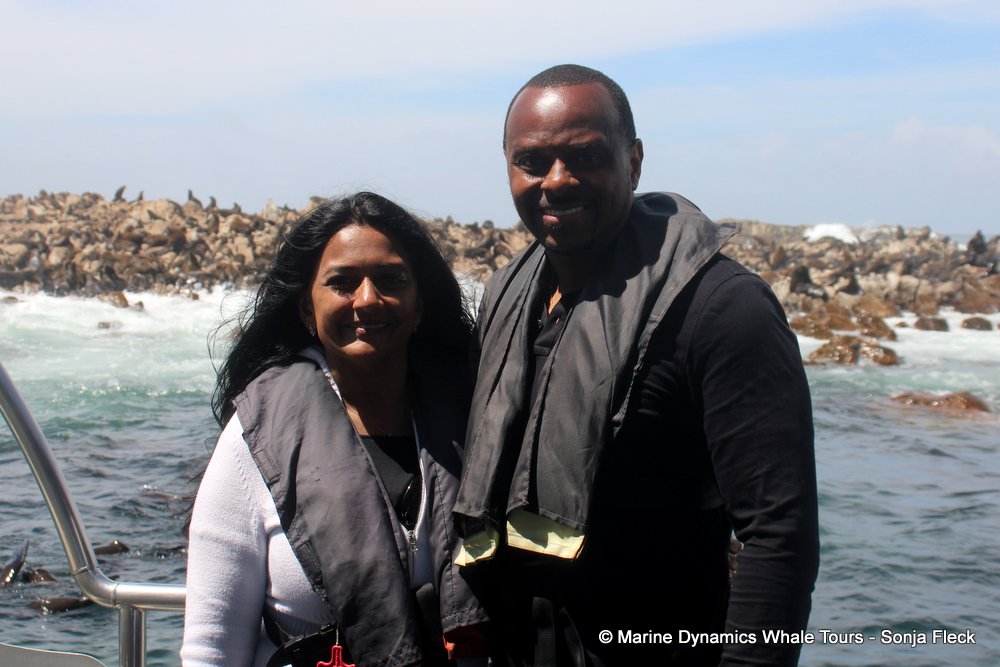
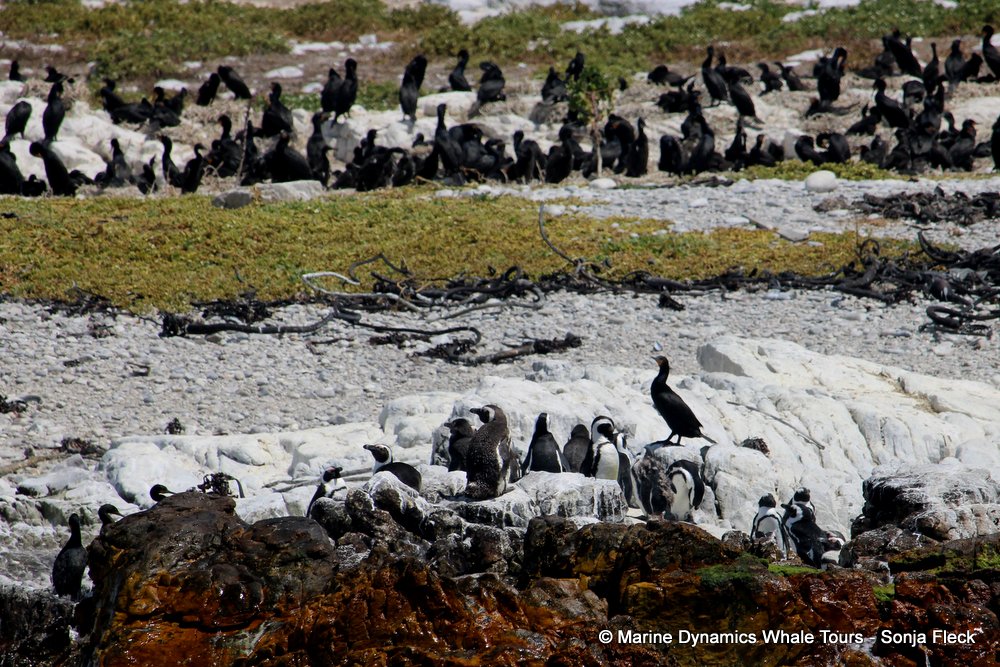
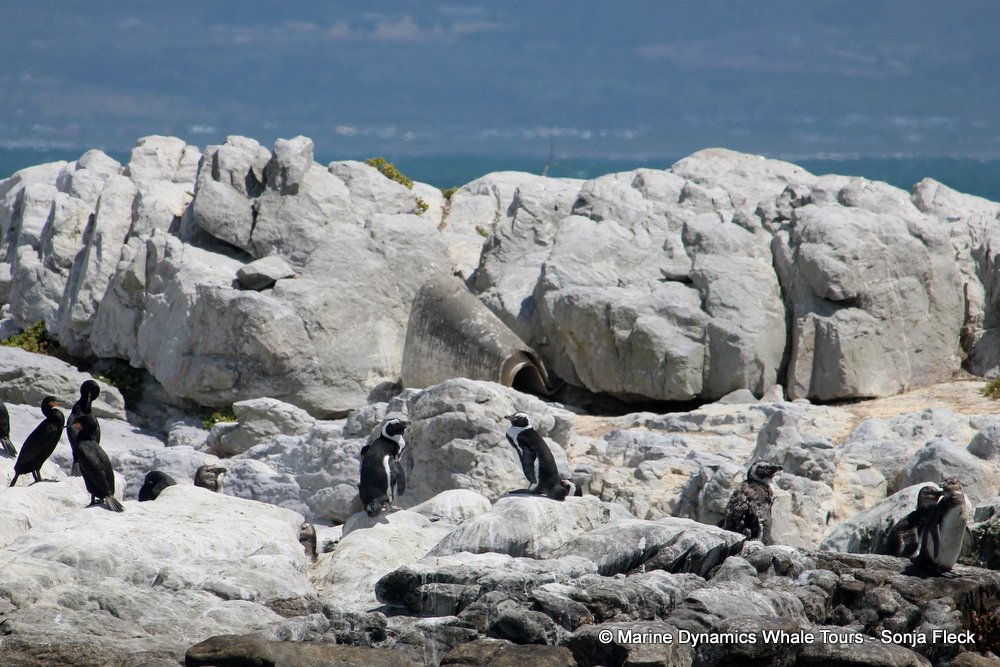
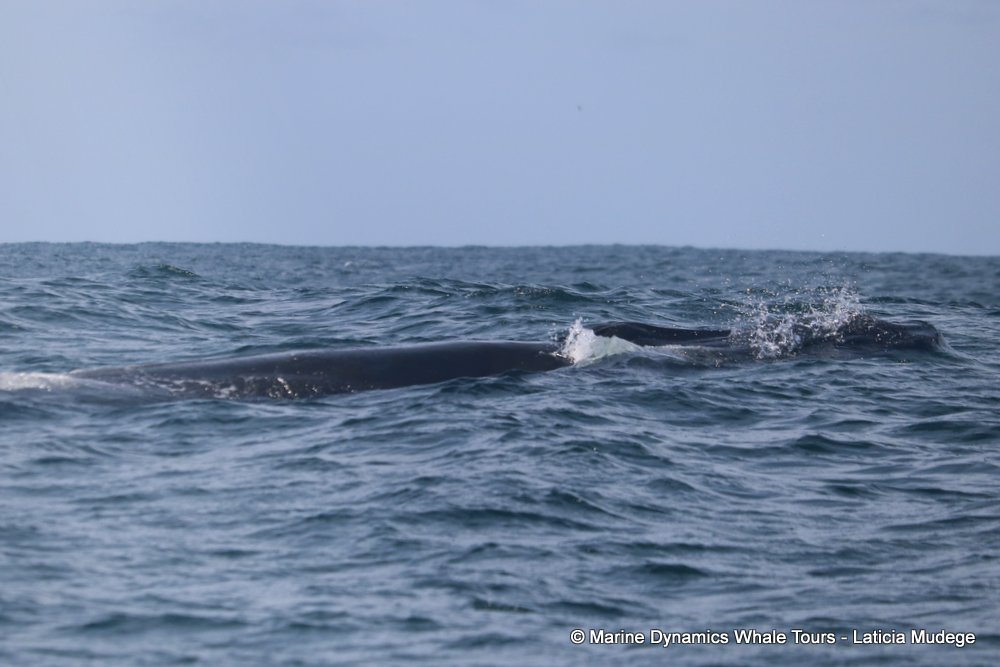
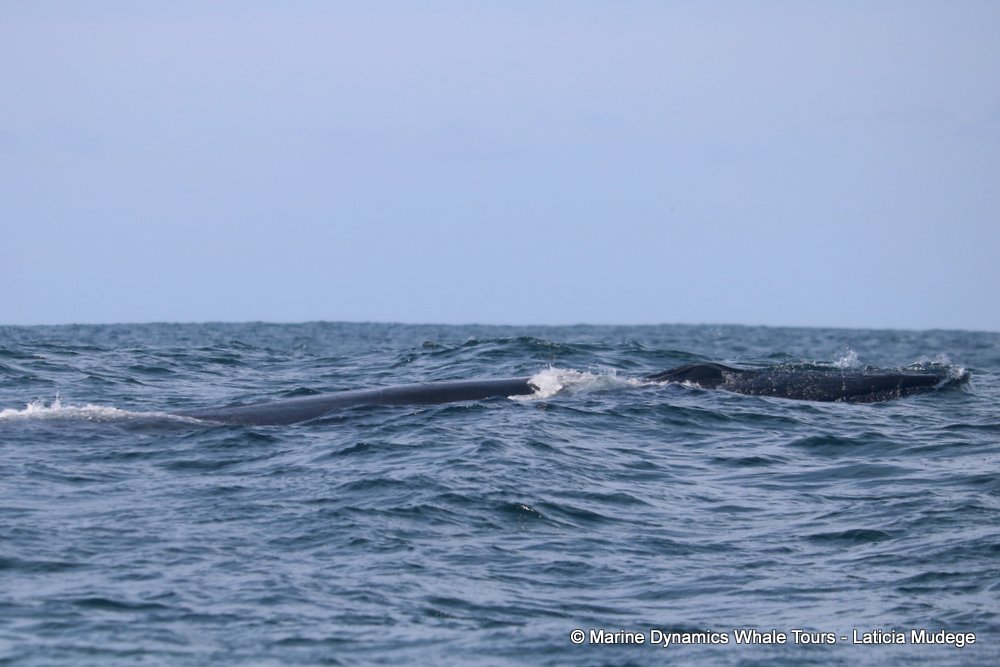
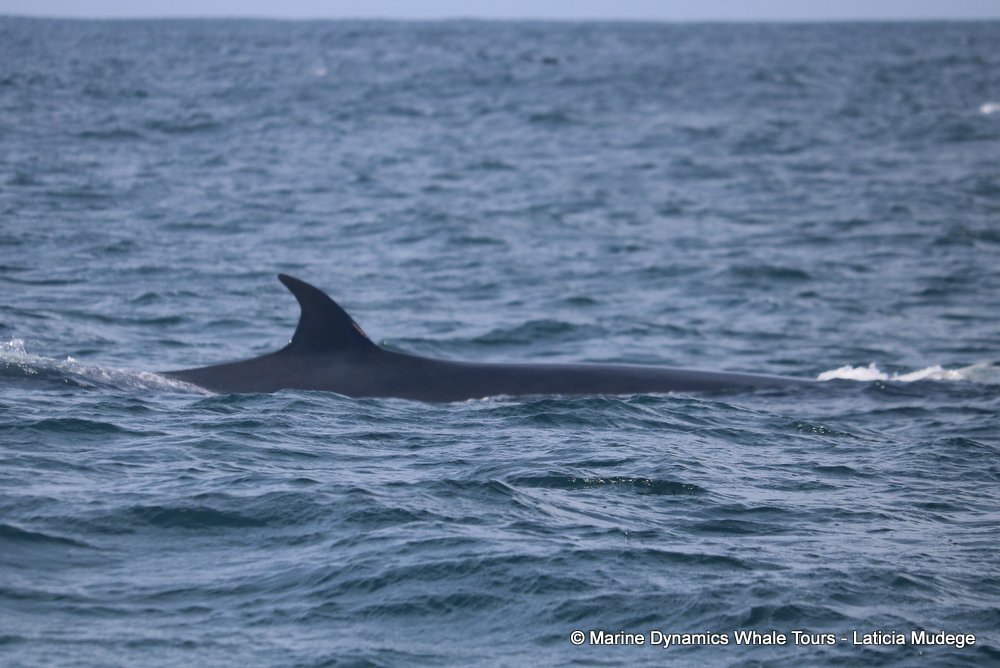
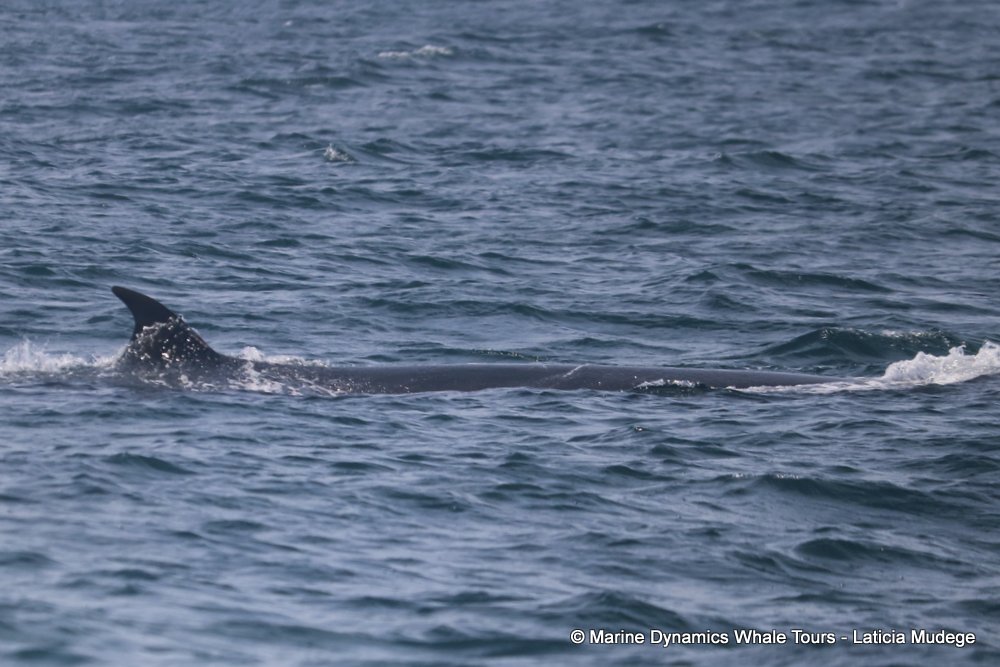
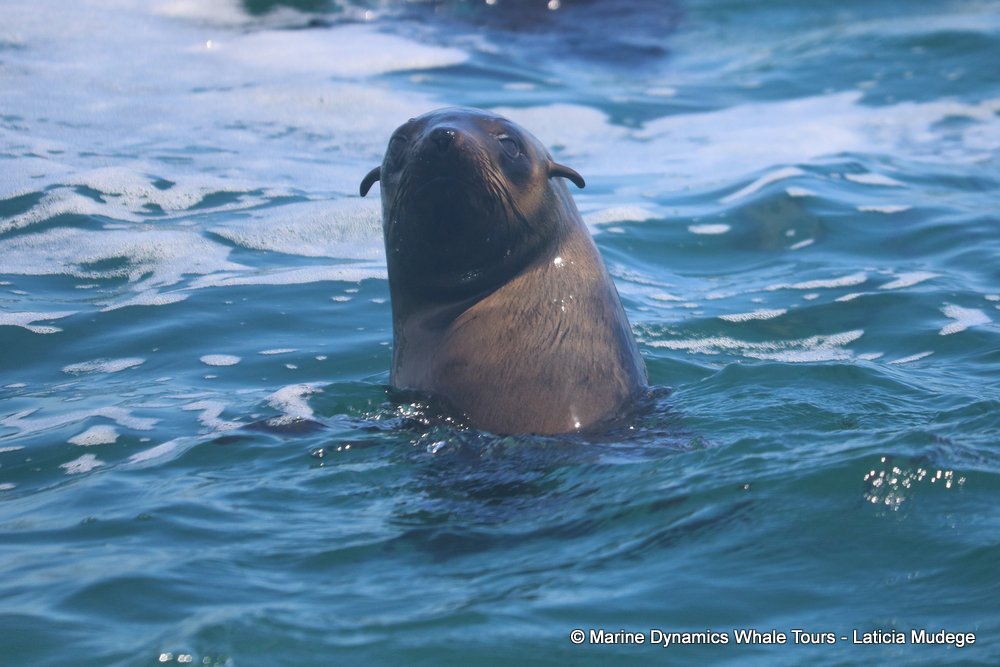
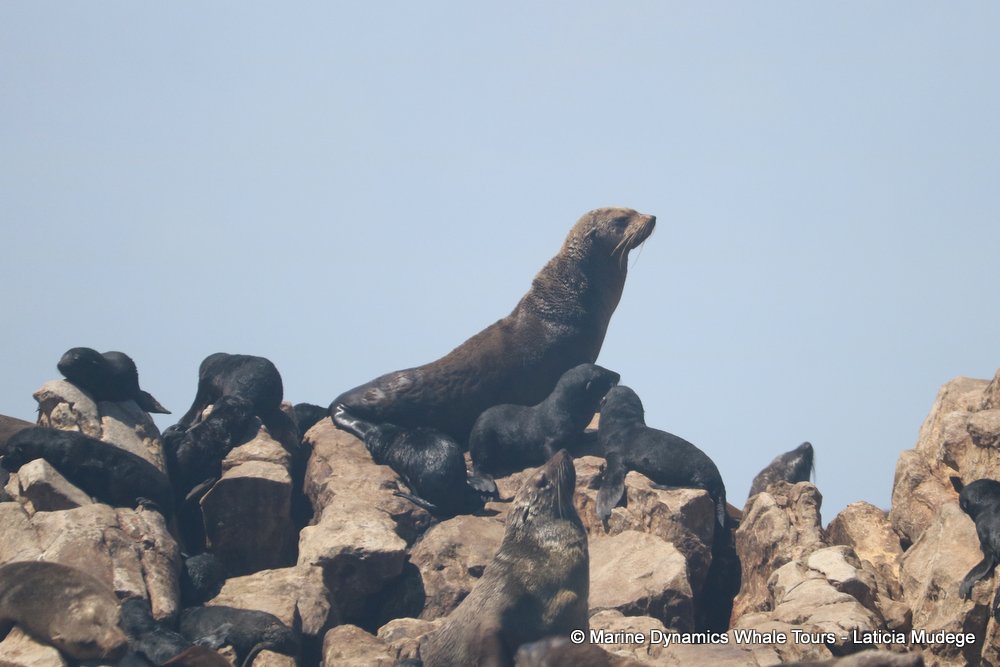
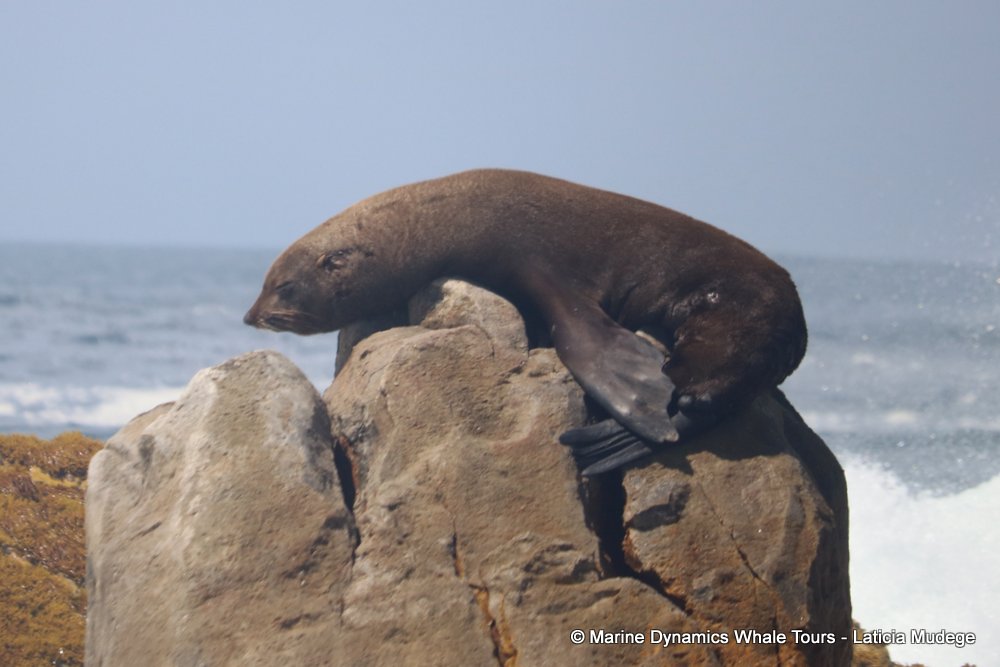
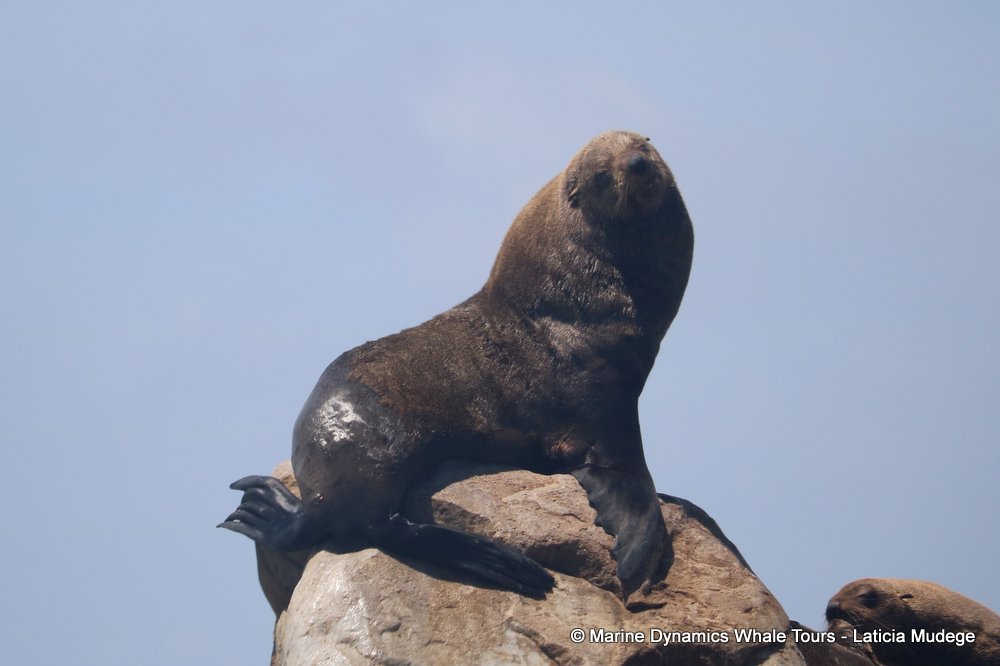
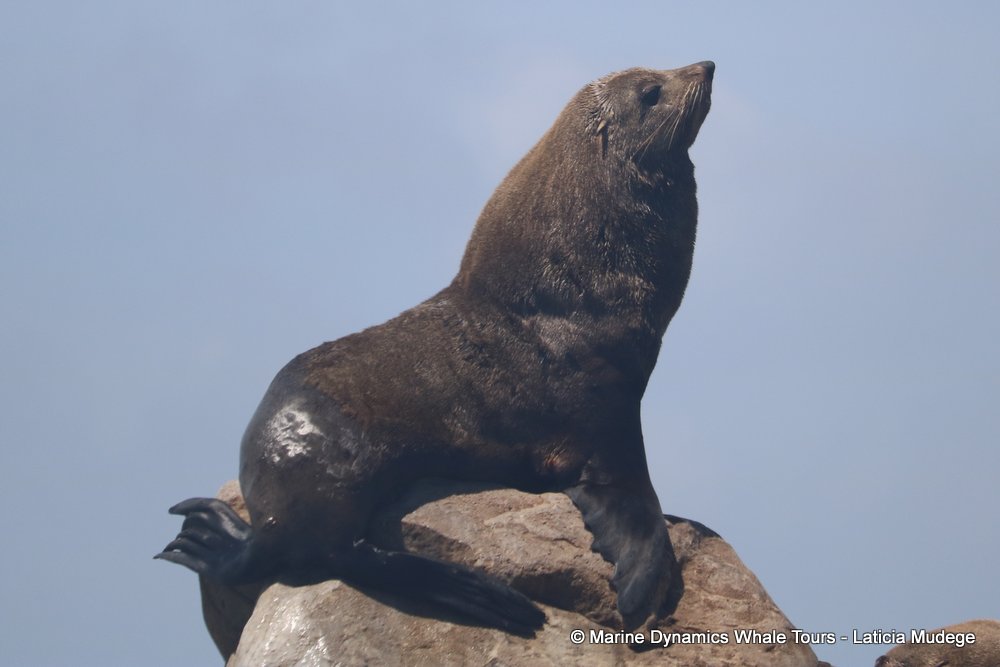
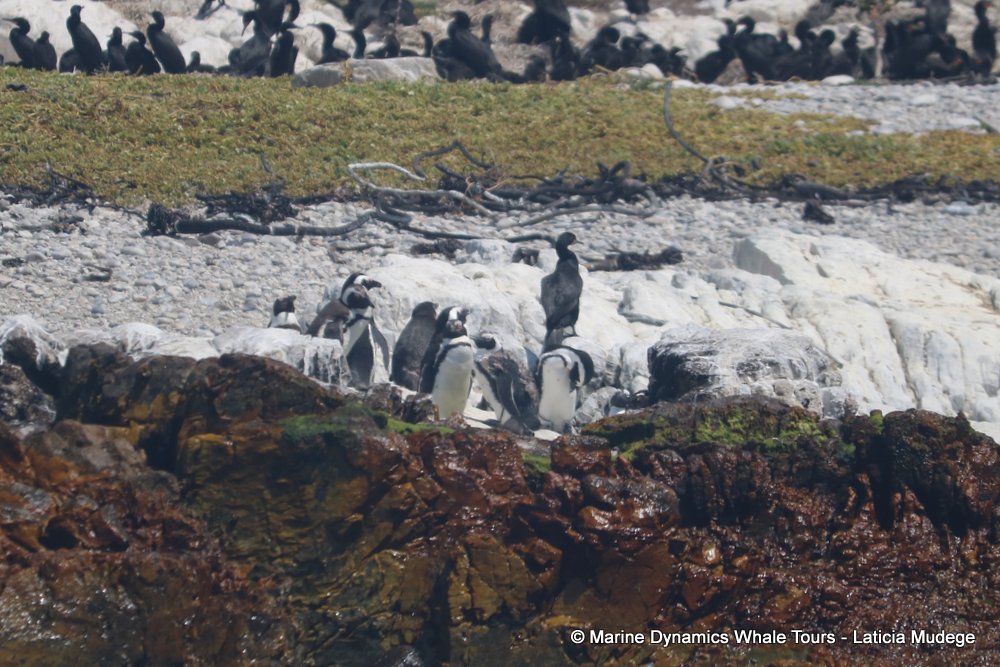
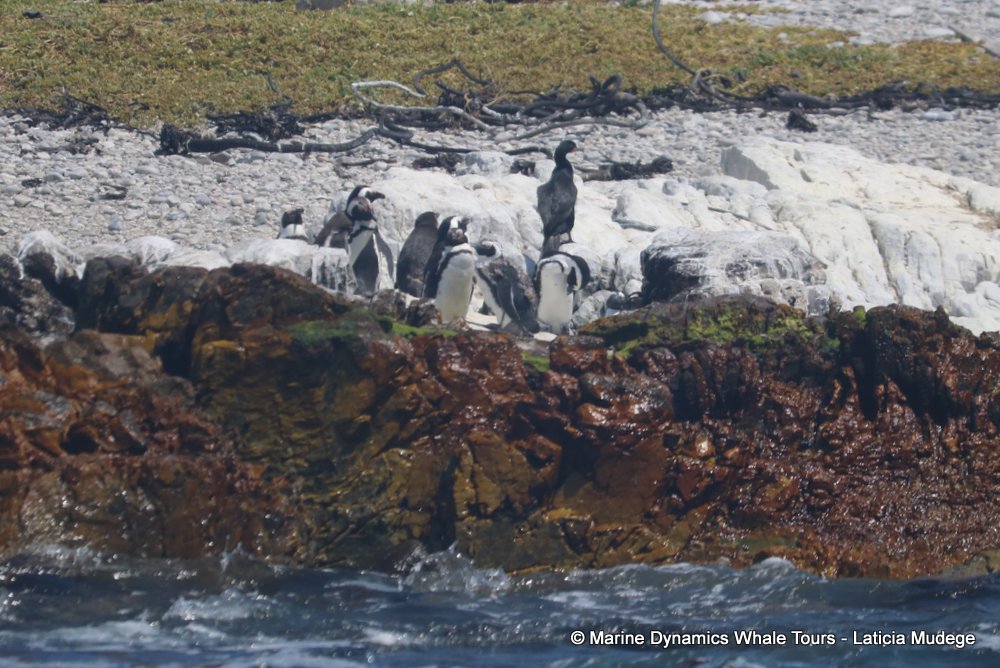
To say the least, we faced another successful day out at sea! Leaving Kleinbaai Harbour behind us, we wasted no time and started the lookout for marine wildlife. Both of our trips allowed us to see at least four of the Big Five! Our first trip of the day even spotted one of the endangered Indian Ocean humpback dolphins close to the natural estuary. Bronze whaler sharks were seen cruising around the local Shark cage diving operators and offered some incredible looks. The island system granted us a view of both thousands of Cape fur seals and critically endangered African Penguins soaking in some rays of sun coming through. In deeper waters, a Bryde’s whale made an appearance. Even though the individual stayed underneath the surface for a bit longer, we caught several looks at the elusive whale nearby.
TripAdvisor – https://bit.ly/2YZ0jDR
Google – https://g.page/r/Caej8uYZYnR8EBE/review
Facebook – https://www.facebook.com/WhaleWatchSA
What species did we see today?
African Penguin African Penguin
As one of only 17 penguin species left in the world (and the only one on the african continent), the african penguin often breed in offshore colonies, such as Dyer Island.
Cape fur seal Cape fur seal
With a local population of 60,000, it's no wonder our guests capture so many photographs of these wonderfully playful marine mammals.
Bronze Whaler Shark Bronze Whaler Shark
The Bronze whaler (also known as Copper sharks) here in Kleinbaai are very curious and interactive. These sharks eat mostly fish, with sardines being one of their favourites.
Brydes Whale Brydes Whale
The mysterious Bryde's whales visit the Dyer Island area throughout the year, with most sightings occurring during summer into winter.
Indian Ocean Humpback Dolphin Indian Ocean Humpback Dolphin
Humpback dolphins are an endangered species, with small populations living very close to shore, typically in water less than 25m deep and an average home range of 120km. Their proximity to land makes these animals particularly vulnerable to human influence.
