
Marine Big 5 Daily Blog 17 May
Written by May 17 2026
Whale Watching near Cape Town, South Africa Welcome to Gansbaai, home of the Marine Big 5.
Trip Summary 17 May 2026:
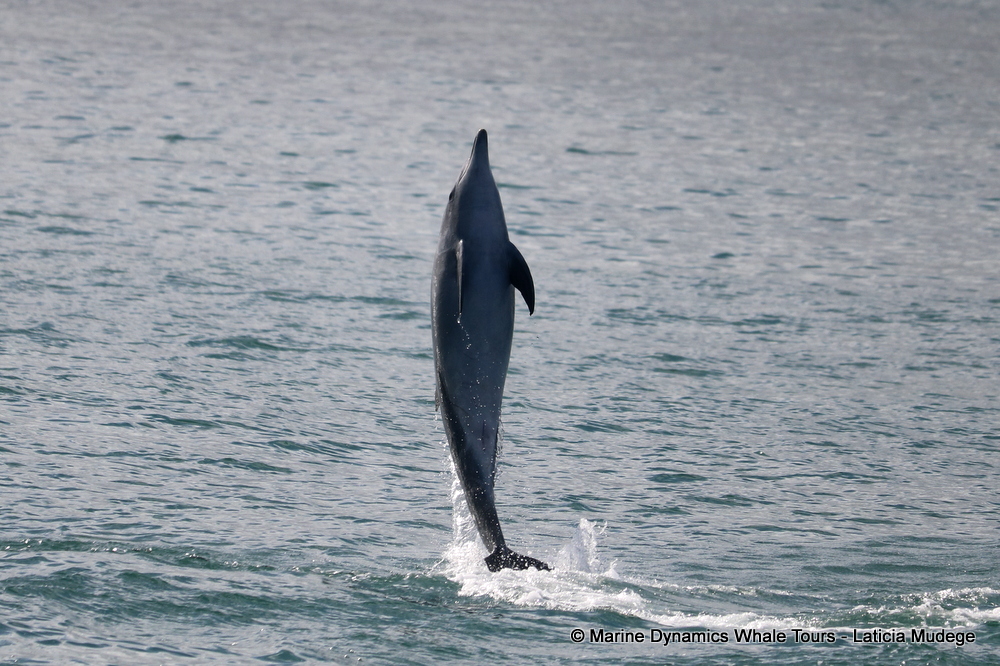
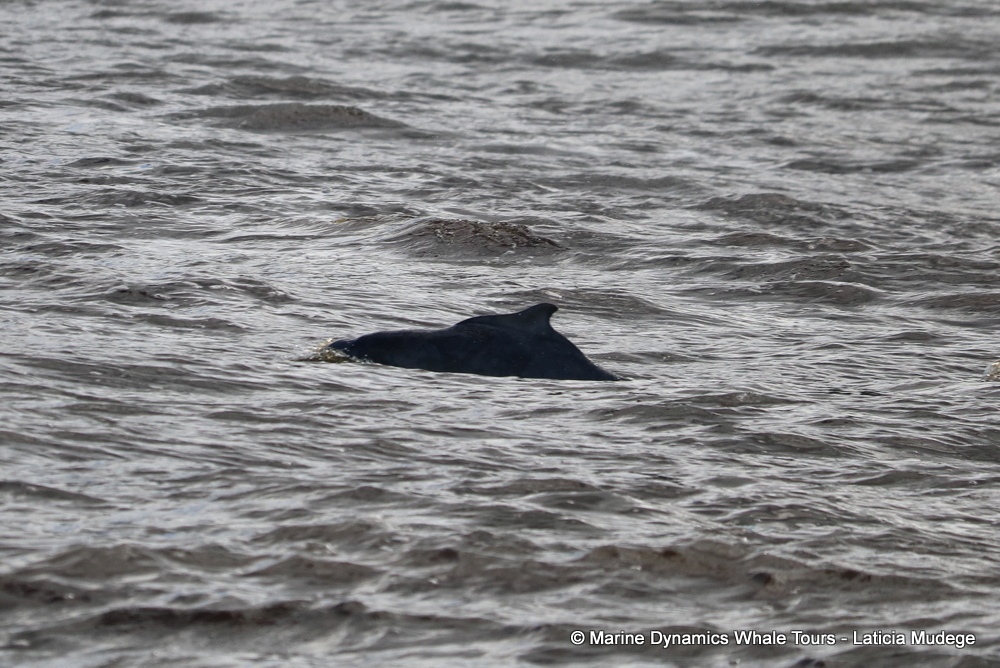
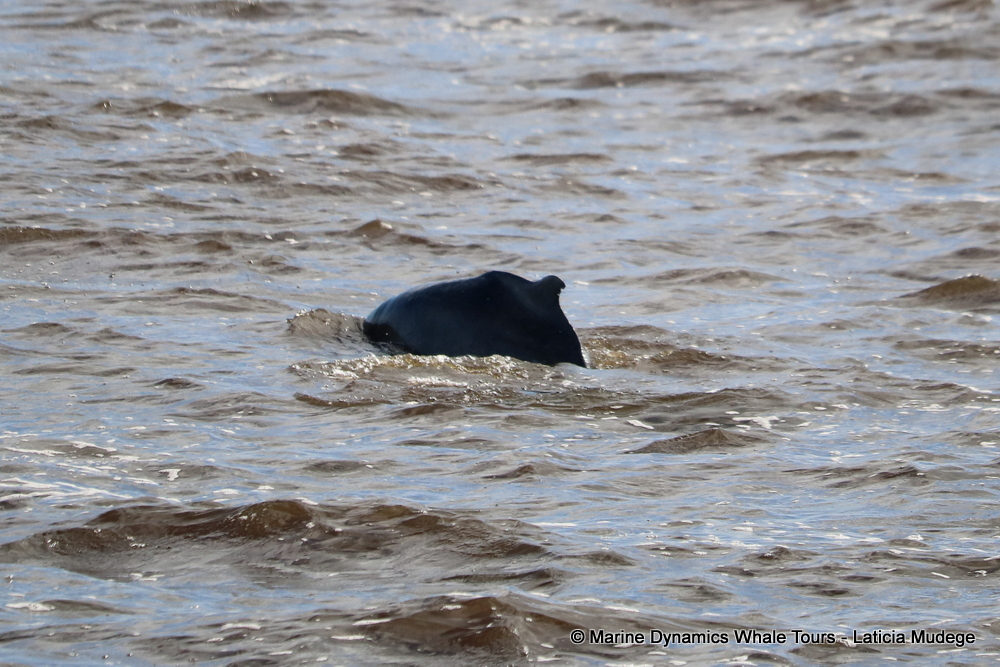
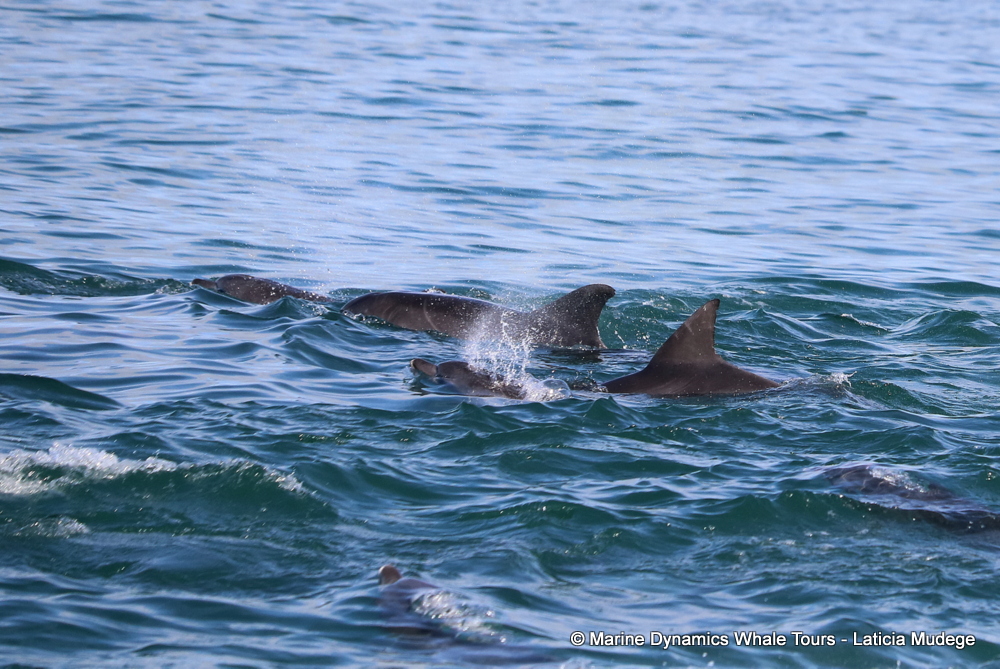
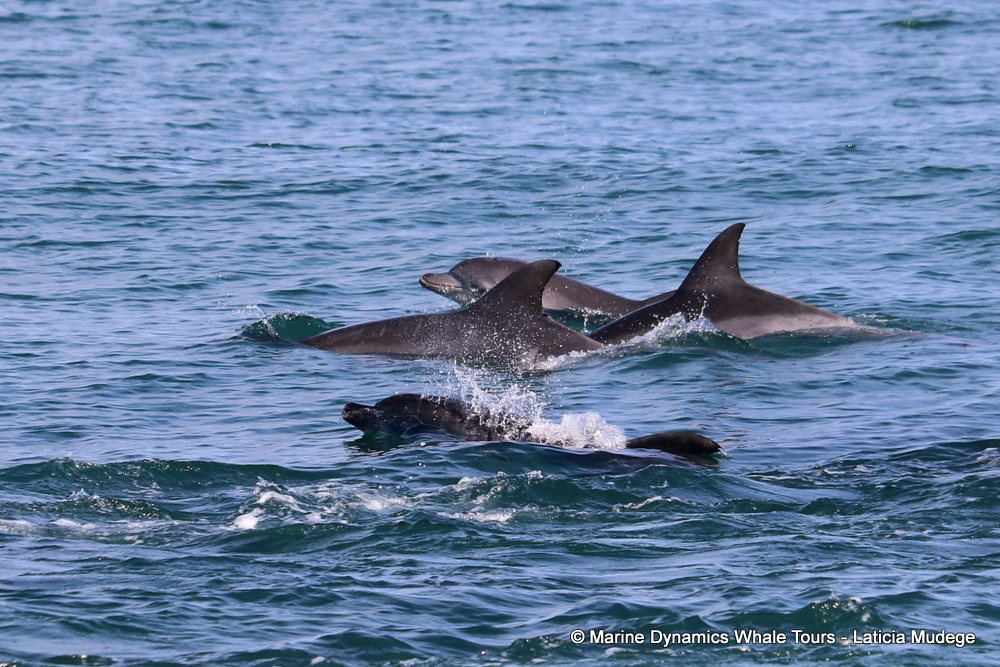
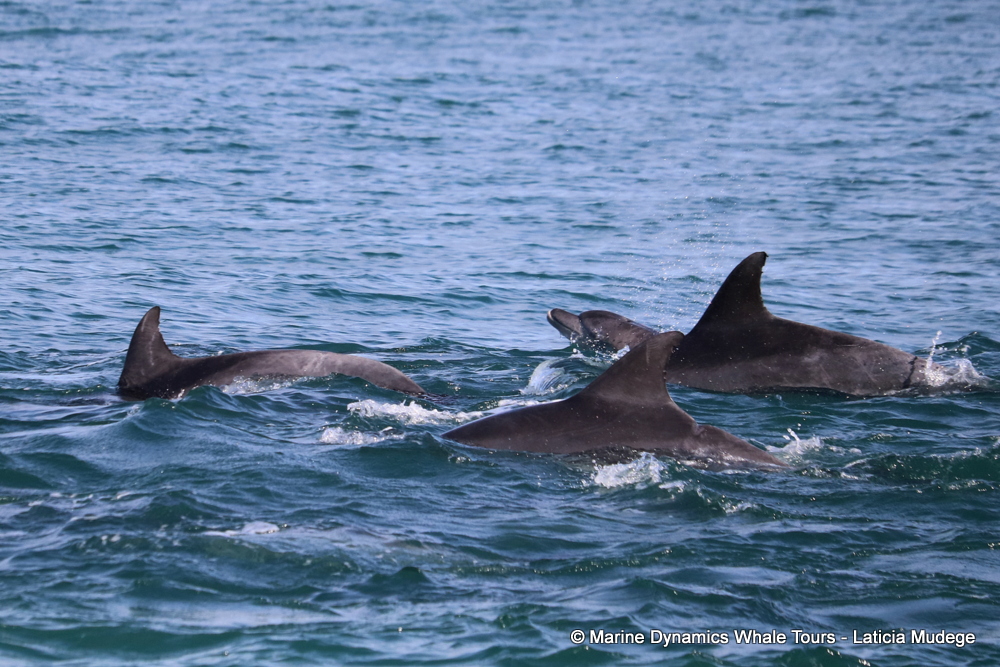
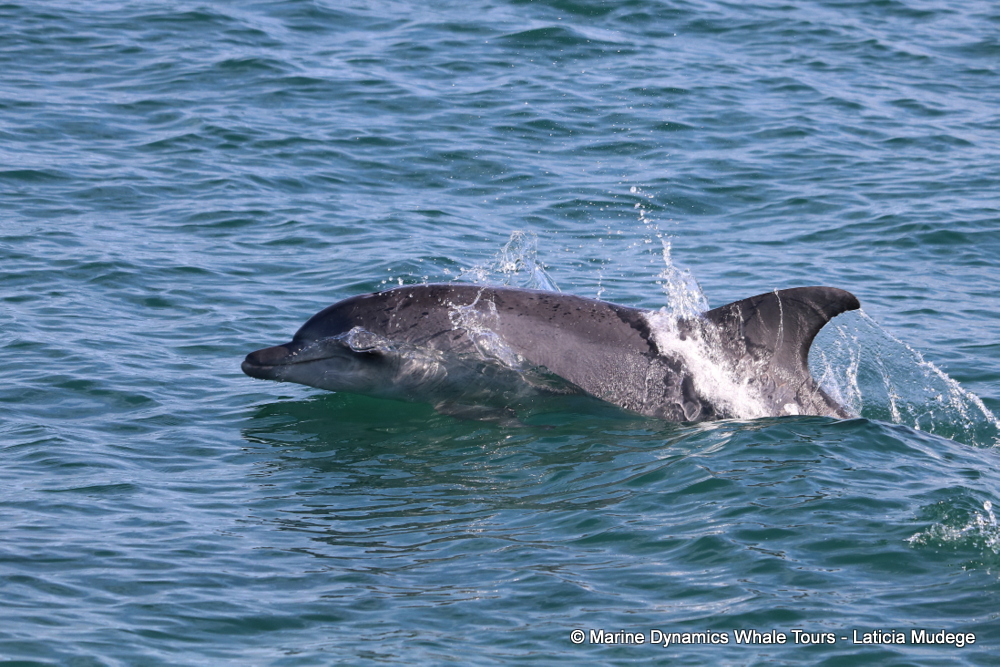
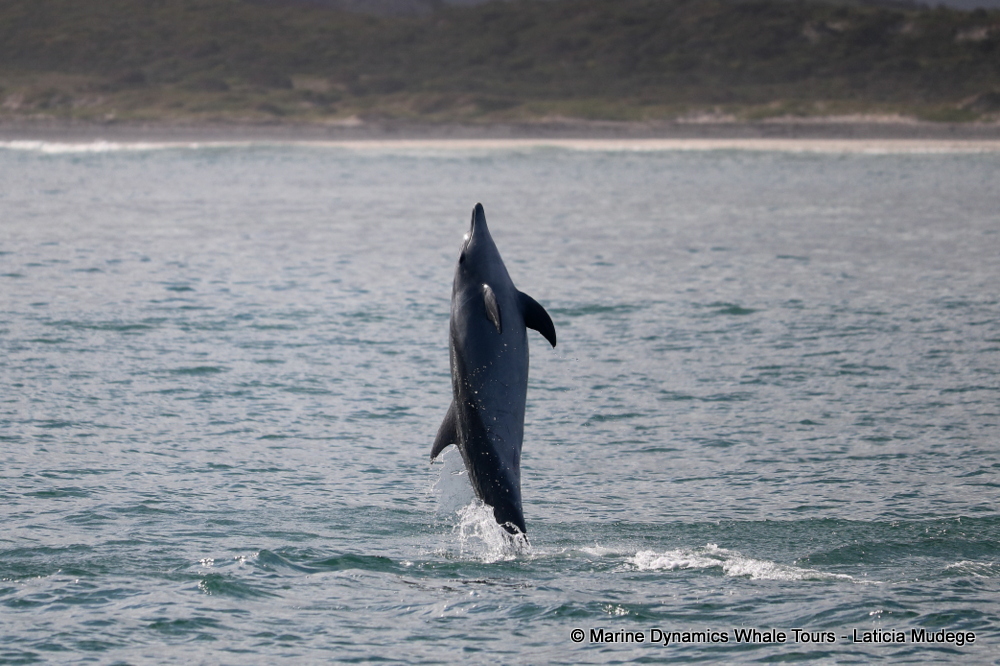
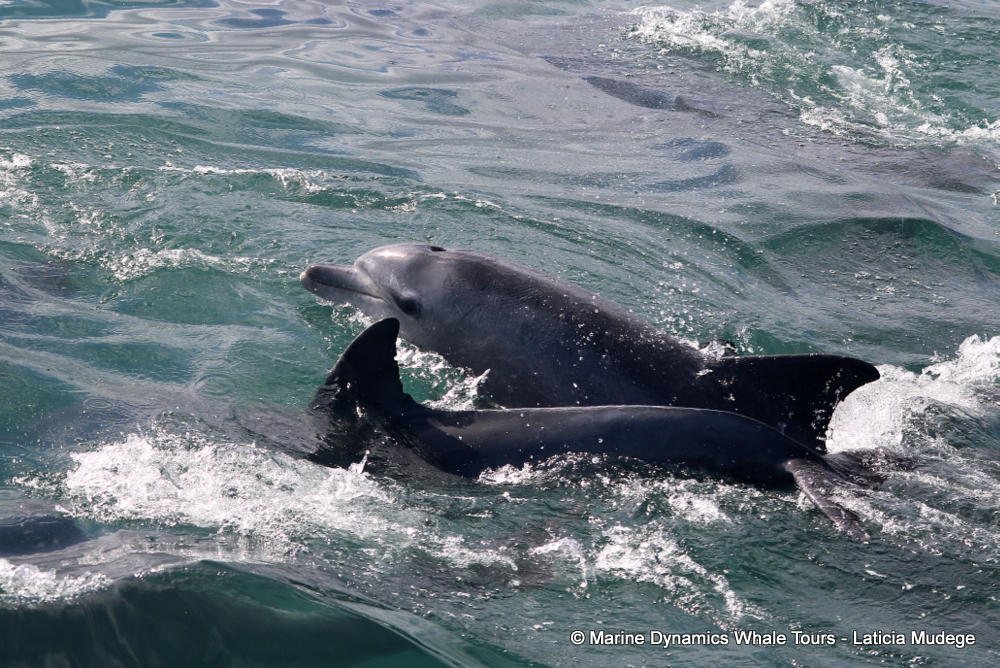
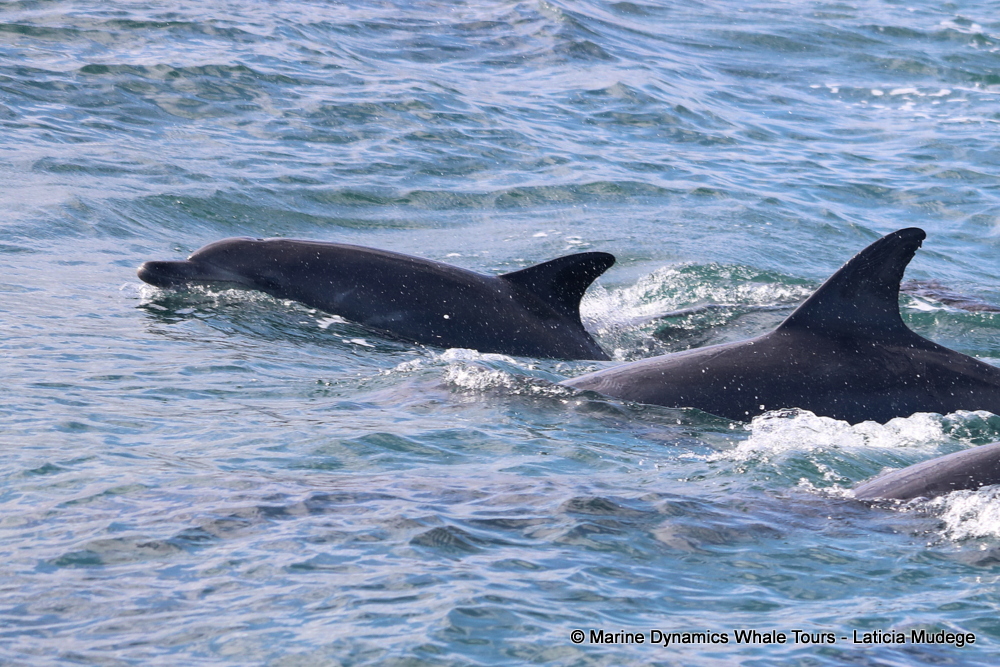
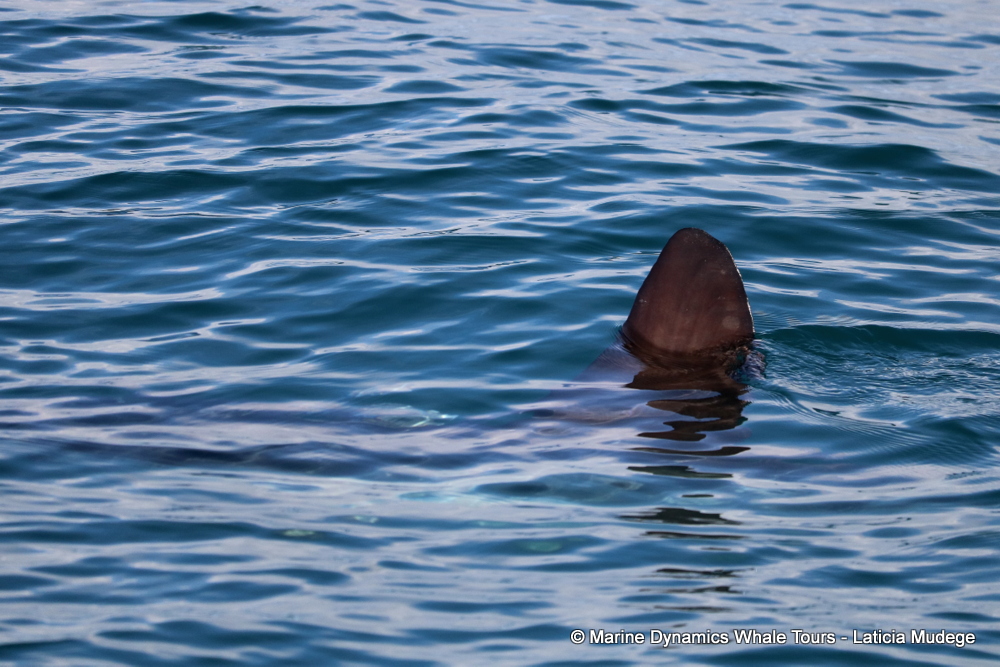
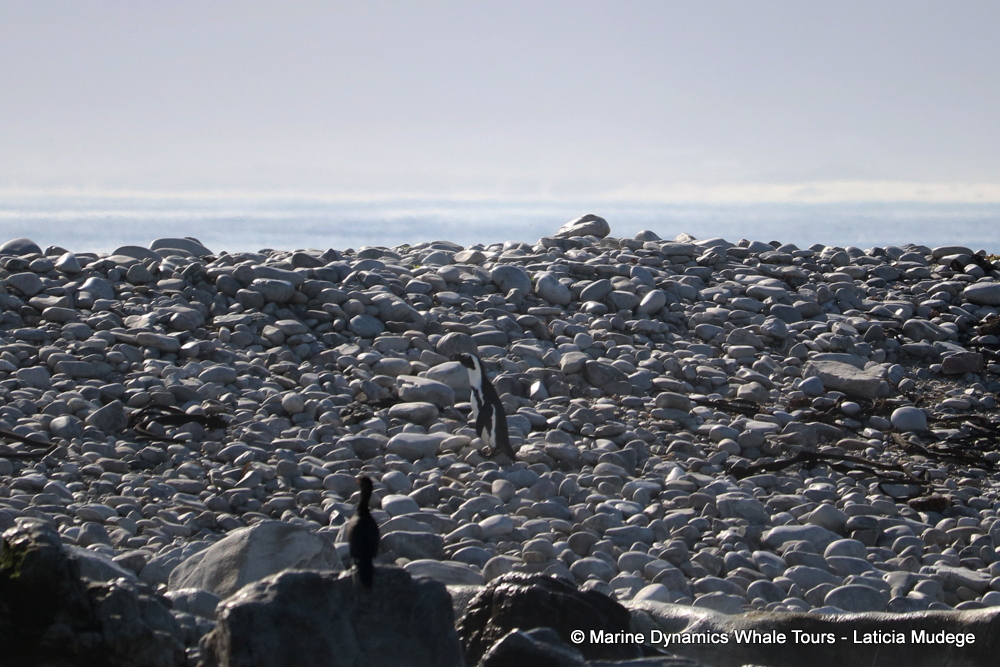
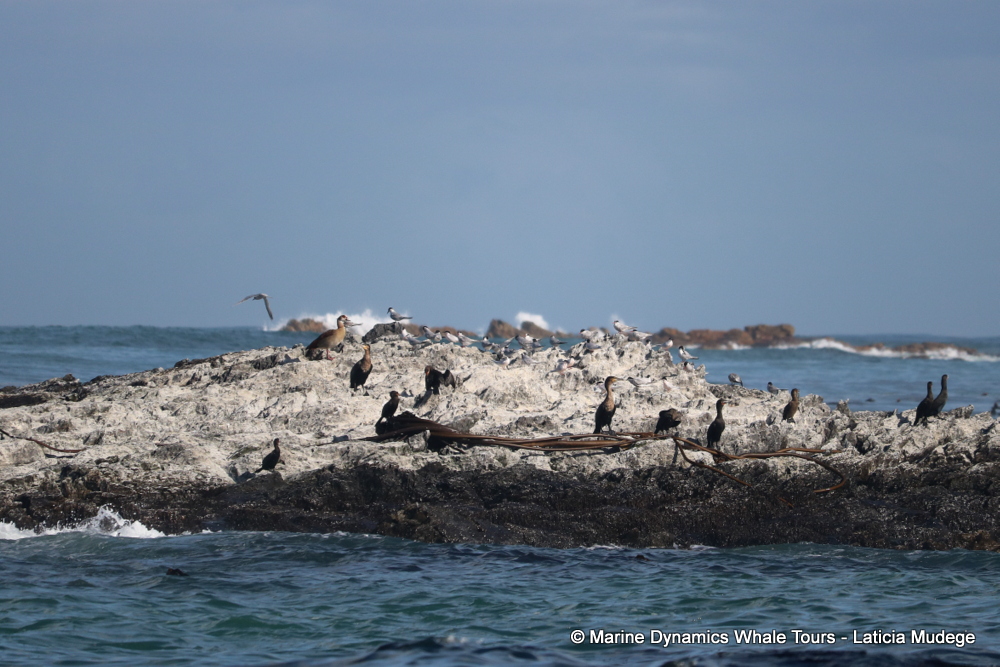
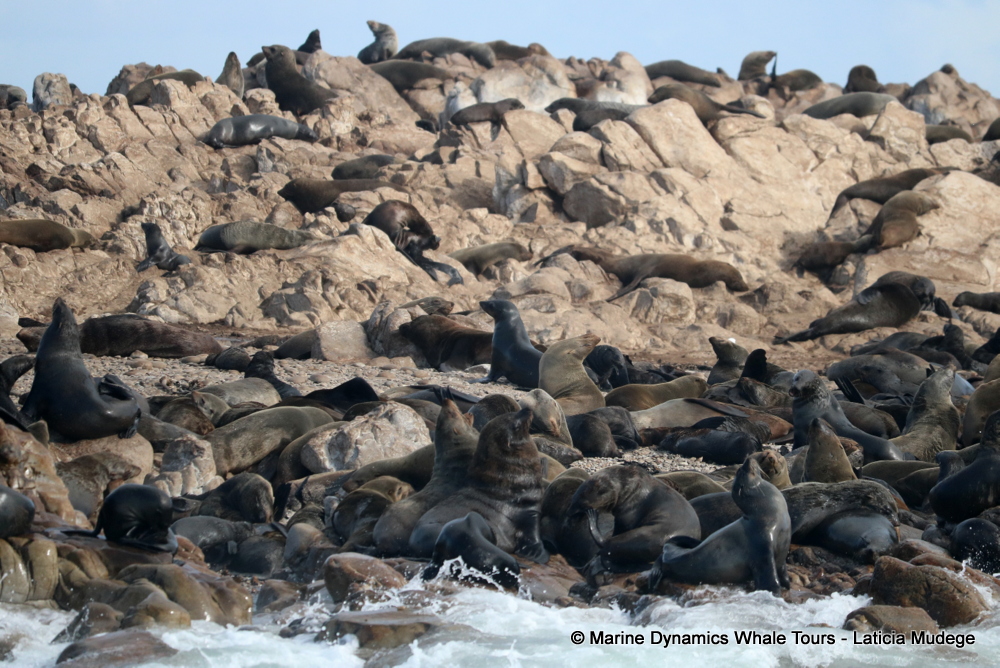
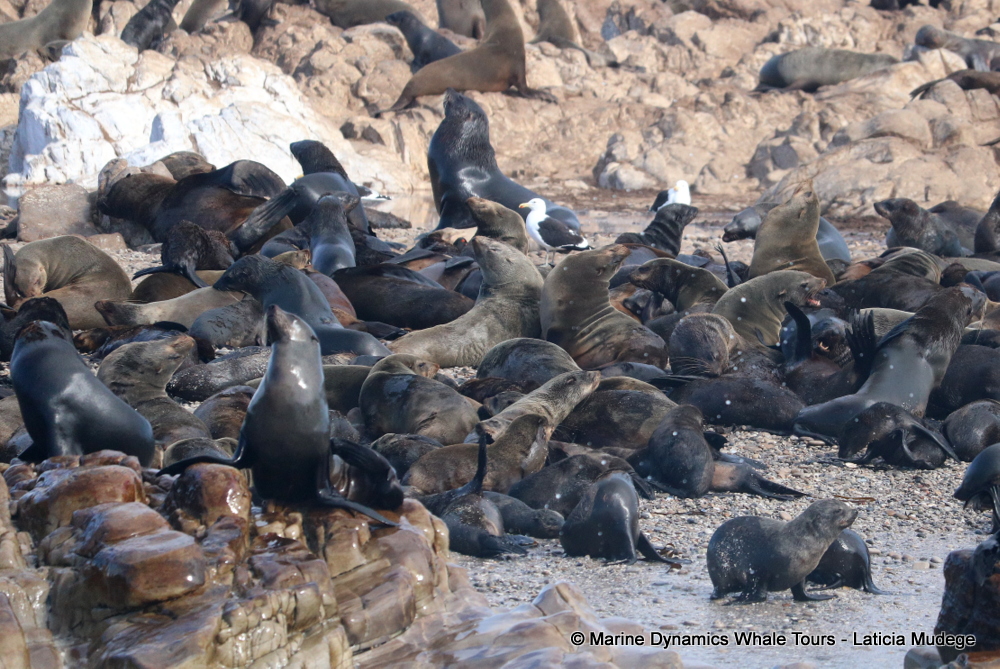
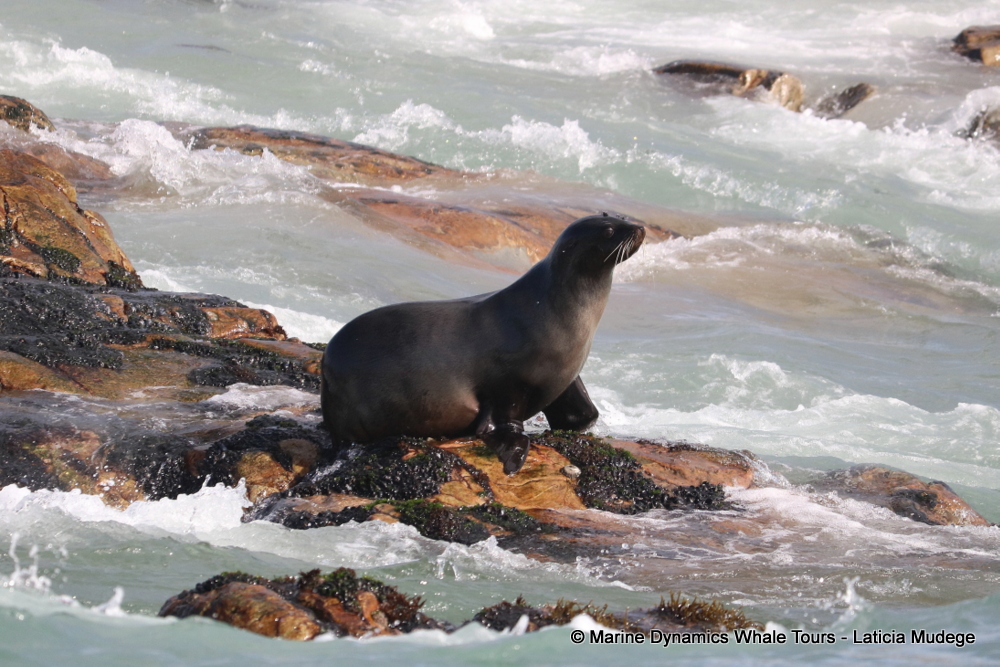
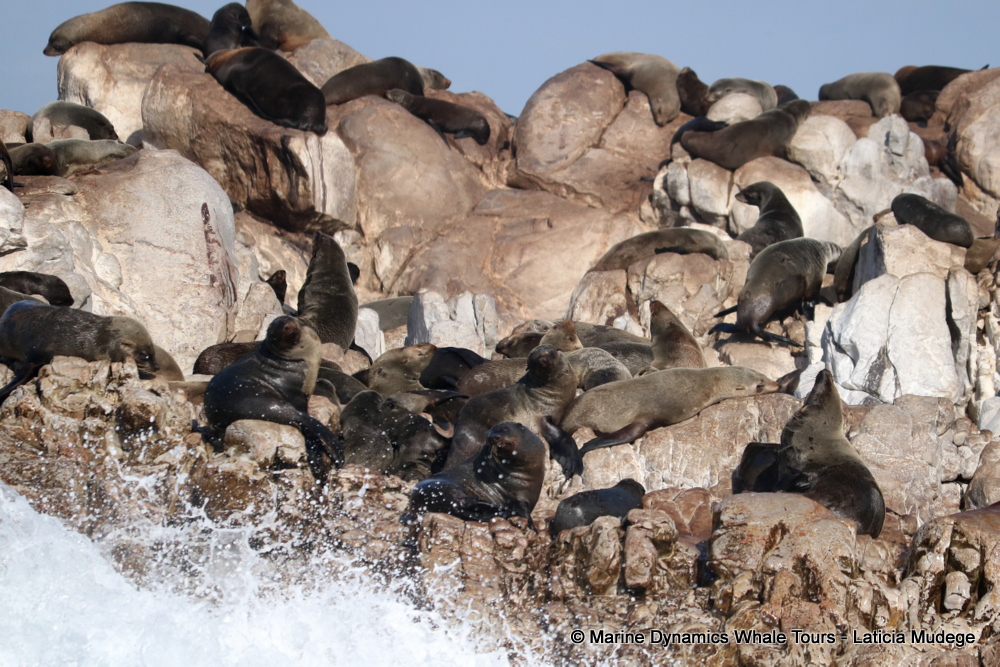
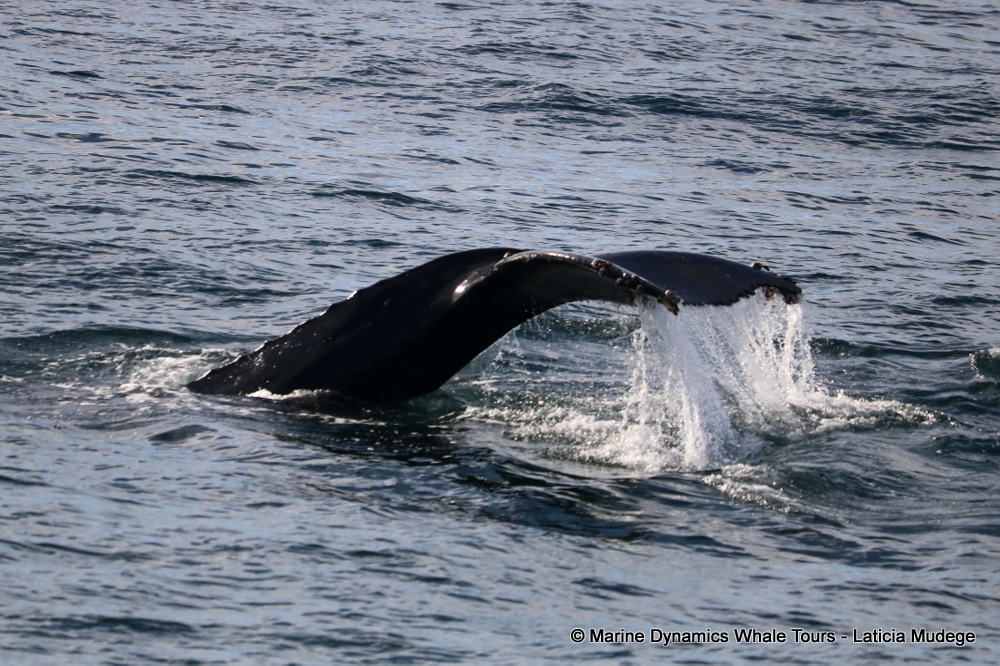
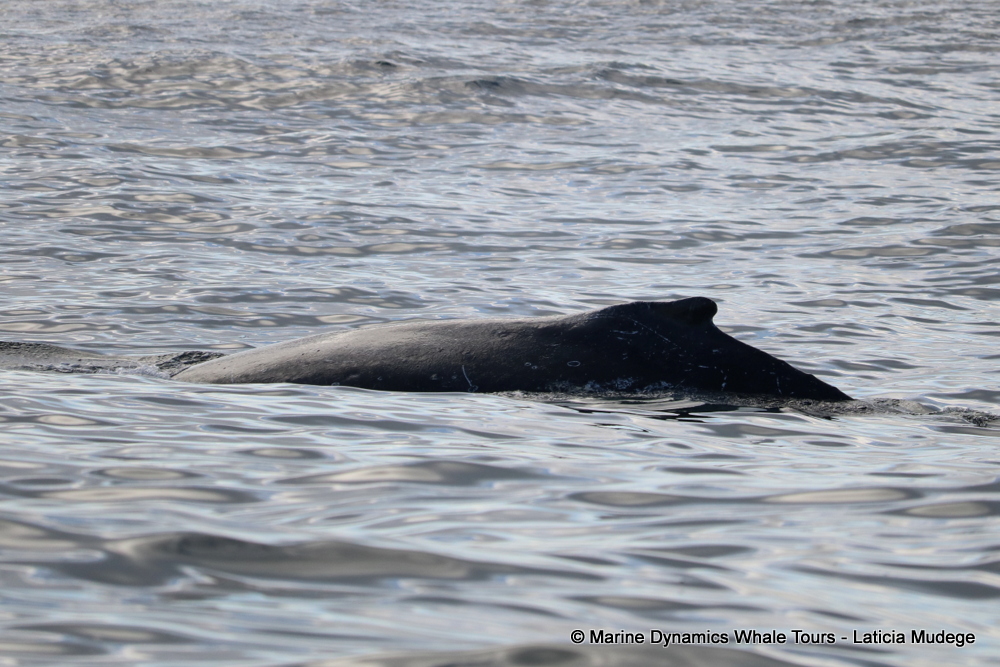
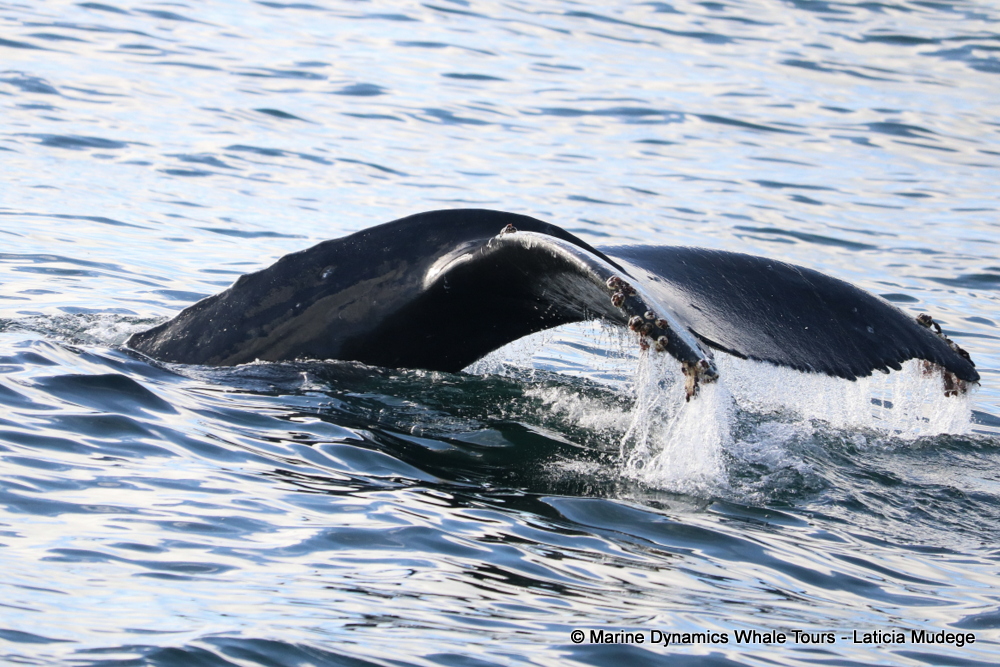
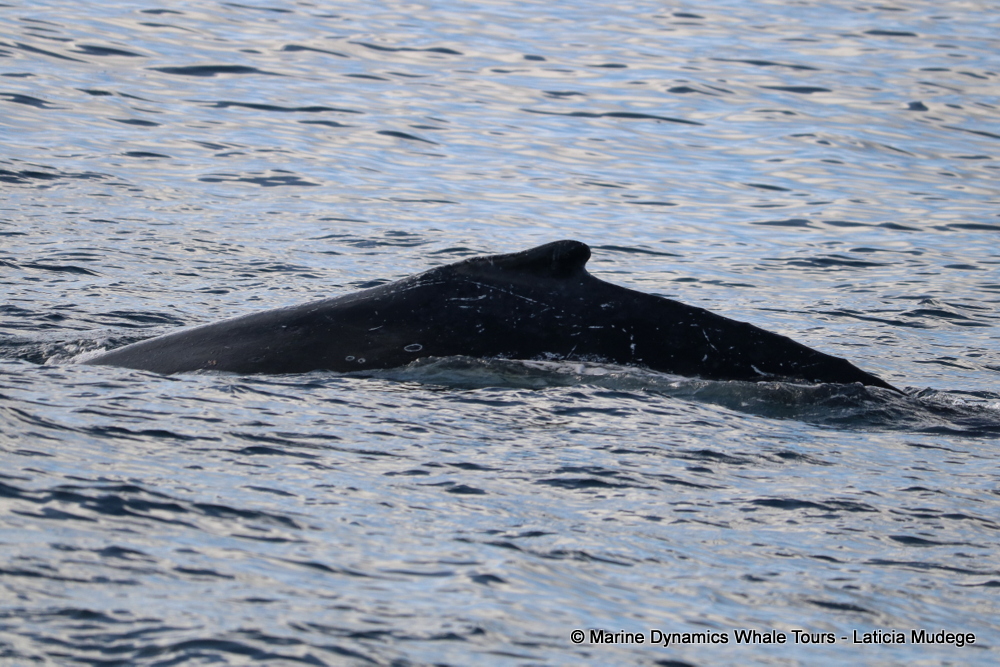
What an eventful day we had today! Due to low tide in the morning, we started our day slightly later today. Welcoming our guests aboard Dream Catcher, we left our local harbour in Kleinbaai behind and headed towards Uilenkraalsmond, our natural estuary. Known to be a preferred location for the endangered Indian Ocean humpback dolphin, we were lucky as we spotted some individuals shortly after. As one dolphin species was not enough for today, we encountered a second one – The Bottlenose dolphin! A short ride later, we reached the Shark cage diving boats, where we got some incredible looks at our beloved Bronze whaler sharks. We continued through the kelp forest into the first stretch of deeper waters, where we spotted a dorsal fin sticking out of the water. A sunfish soaking in some sun! Closer to Dyer Island, we got our binoculars ready to find some of the critically endangered African Penguins roaming the island. Geyser Rock was, as always, a blast with Cape fur seals either relaxing, on the island or playing in the cool waters of Shark Alley. Heading into deeper waters once more, we spotted two Humpback whales with which we completed our Marine Big 5!
Tripadvisor – https://bit.ly/2YZ0jDR
Google – https://g.page/r/Caej8uYZYnR8EBE/review
Facebook – https://www.facebook.com/WhaleWatchSA
What species did we see today?
African Penguin African Penguin
As one of only 17 penguin species left in the world (and the only one on the african continent), the african penguin often breed in offshore colonies, such as Dyer Island.
Cape fur seal Cape fur seal
With a local population of 60,000, it's no wonder our guests capture so many photographs of these wonderfully playful marine mammals.
Bronze Whaler Shark Bronze Whaler Shark
The Bronze whaler (also known as Copper sharks) here in Kleinbaai are very curious and interactive. These sharks eat mostly fish, with sardines being one of their favourites.
Indian Ocean Humpback Dolphin Indian Ocean Humpback Dolphin
Humpback dolphins are an endangered species, with small populations living very close to shore, typically in water less than 25m deep and an average home range of 120km. Their proximity to land makes these animals particularly vulnerable to human influence.
Bottlenose Dolphin Bottlenose Dolphin
At present there are two recognized species of bottlenose dolphin, and in some cases, both species can be found in the same area. The two species are the common bottlenose dolphin (Tursiops truncatus), and the Indo-Pacific bottlenose dolphin (T. aduncus). In addition, there is a great deal of variation in colouration, diet and behaviour. The difference between the common bottlenose and Indo-Pacific bottlenose dolphin are subtle, but the common bottlenose dolphin generally larger and more robust with a slight darker colouration.
Sunfish Humpback Whale Humpback Whale
One of the best-known whale species, they are renowned for their acrobatic behaviour and complex melodious song as well as extremely long flippers and are a special favourite of Dyer Island Cruises guests and crew alike.
