
Marine Big 5 Daily Blog 30 May
Written by May 30 2026
Whale Watching near Cape Town, South Africa Welcome to Gansbaai, home of the Marine Big 5.
Trip Summary 30 May 2026:
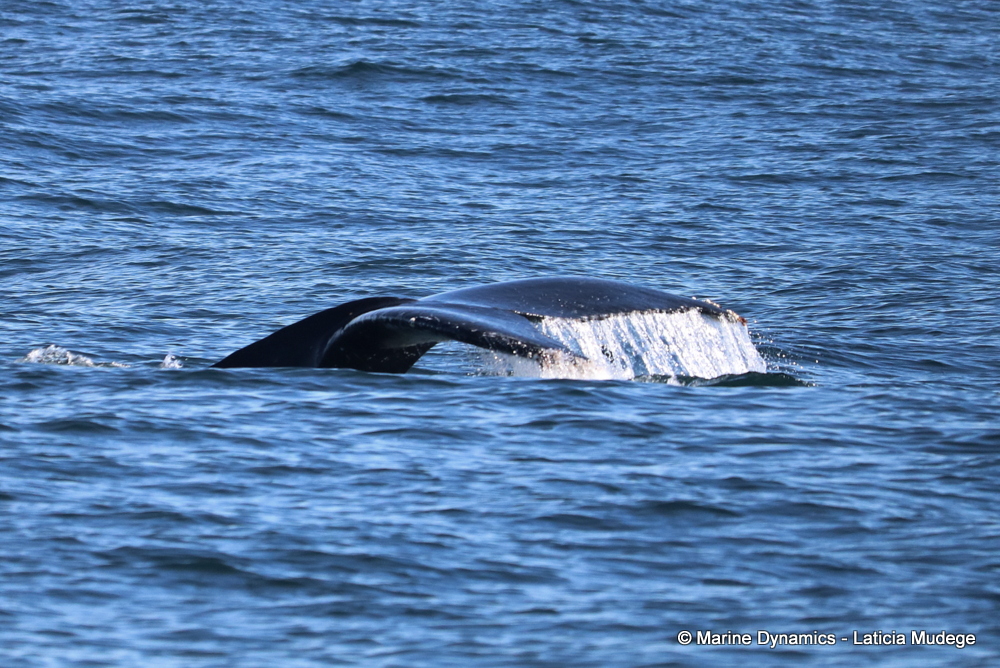
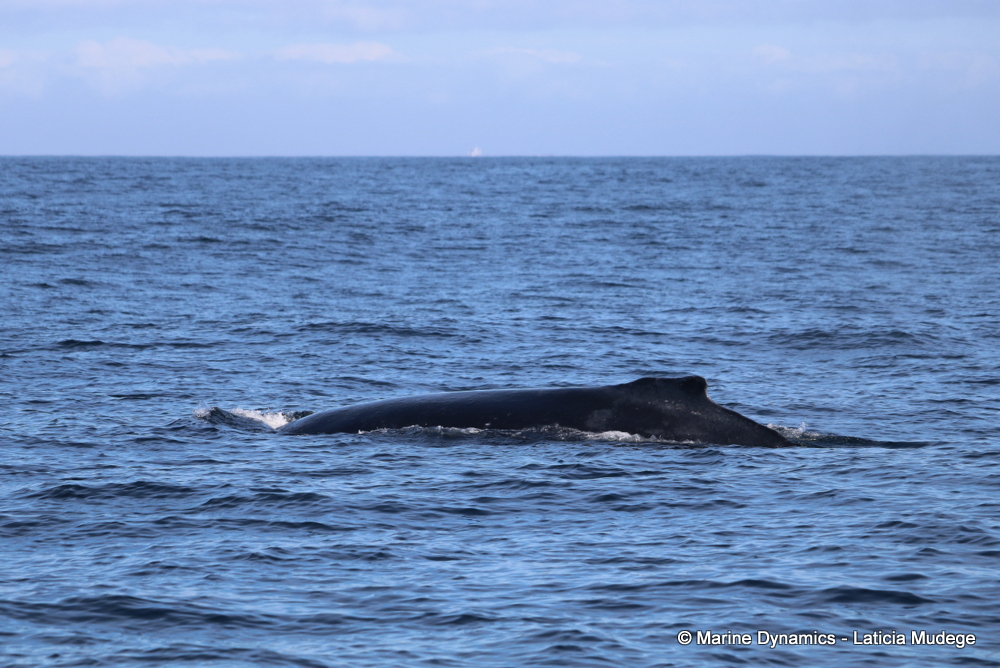
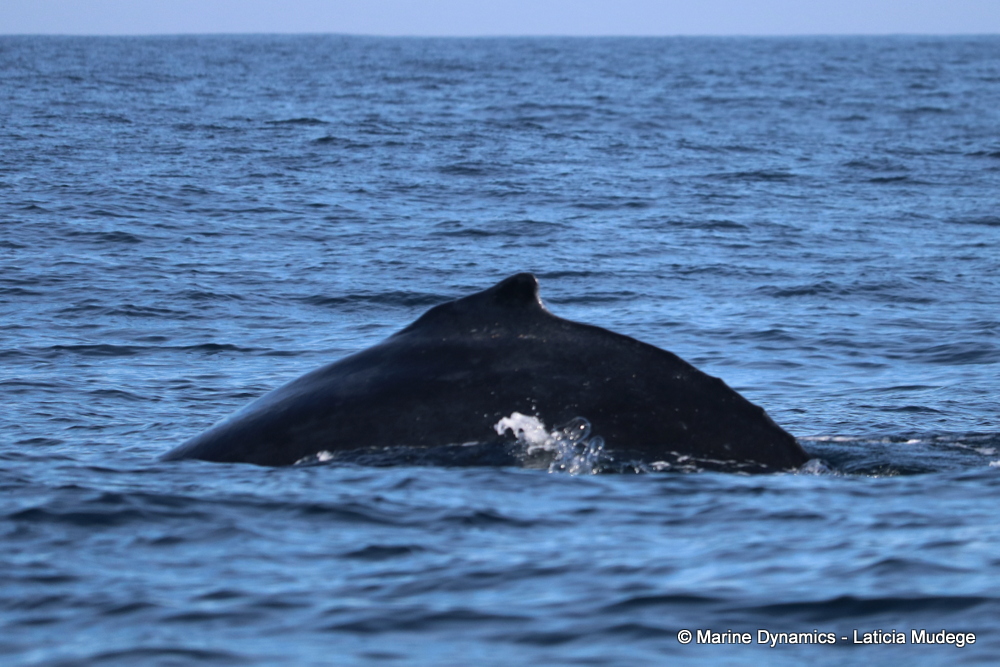
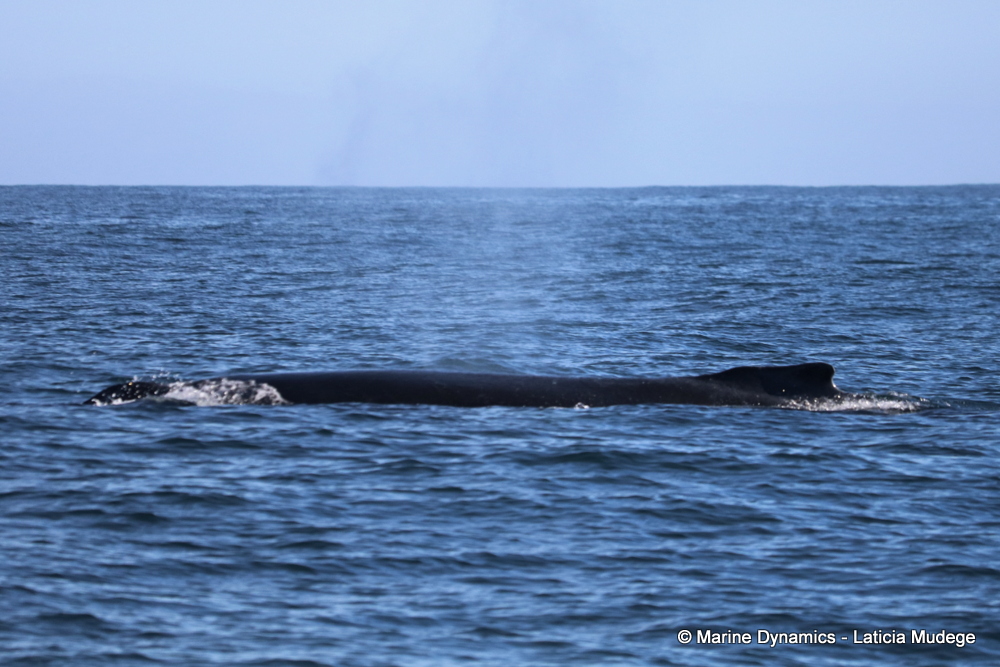
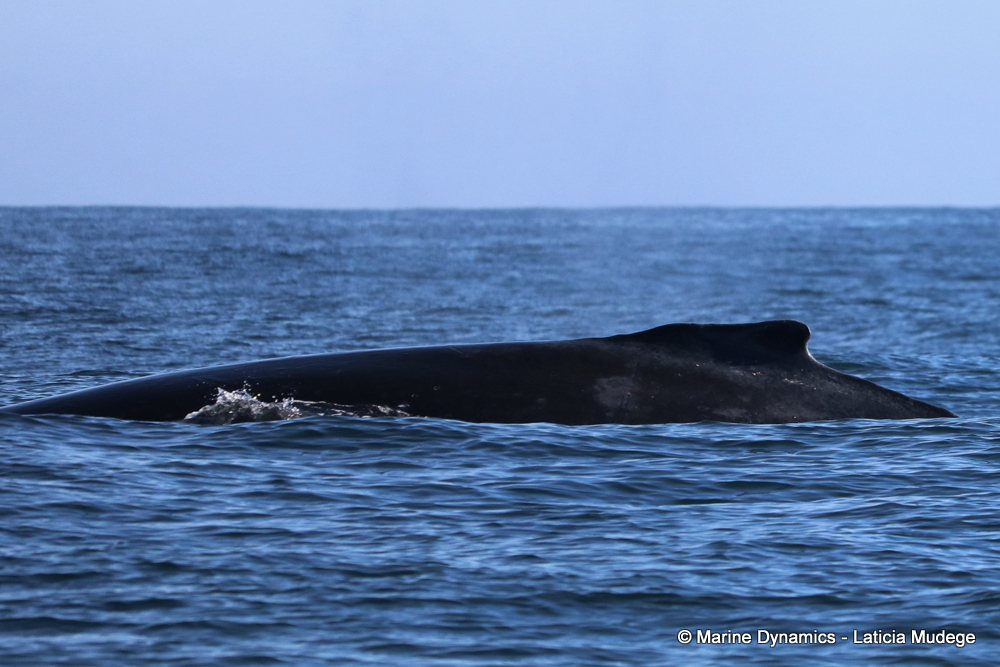
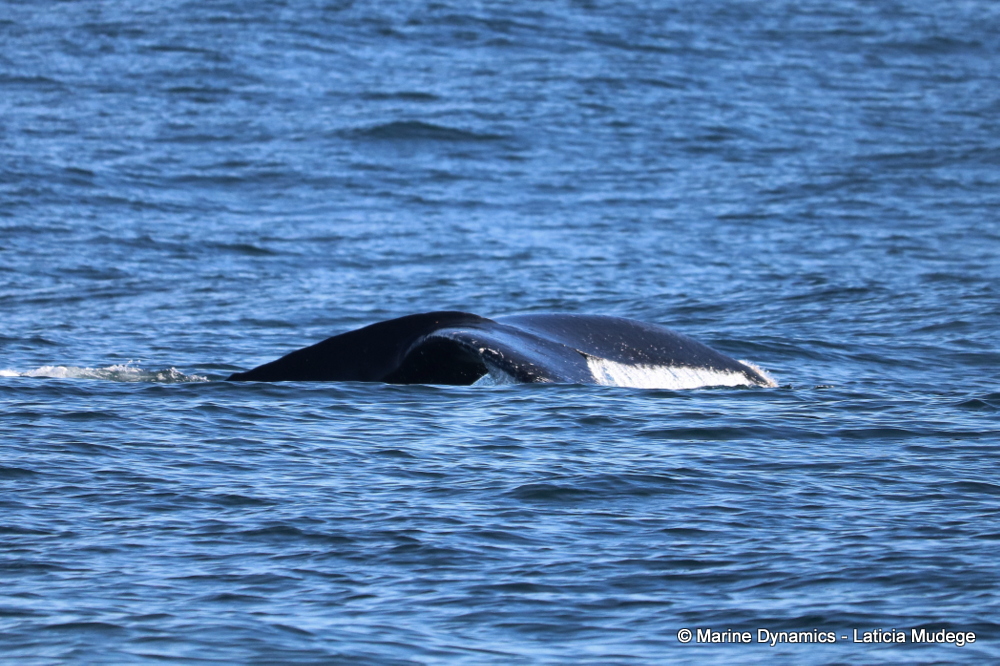
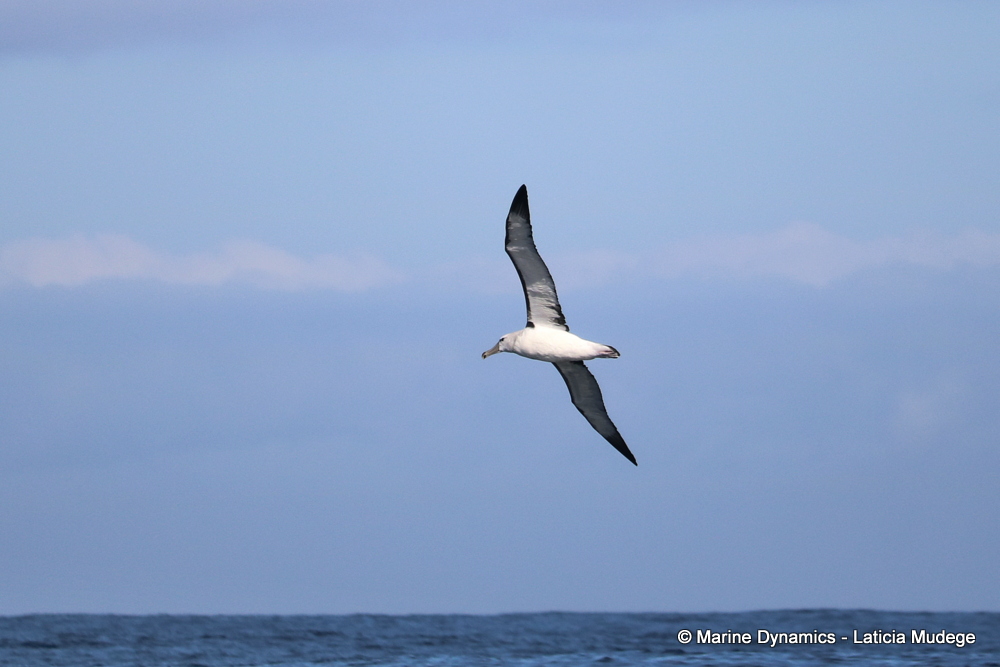
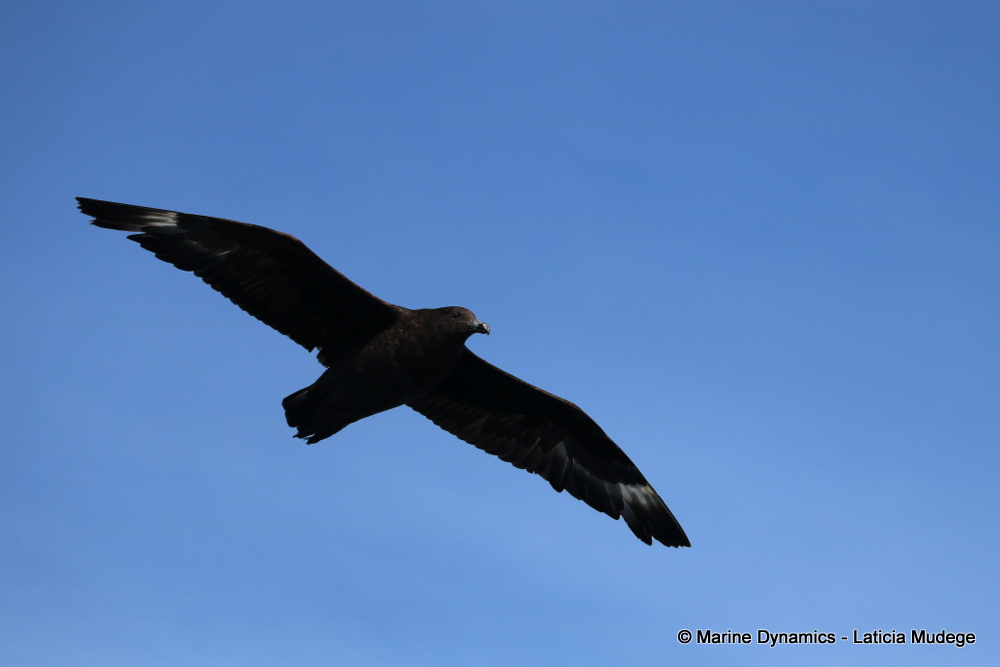
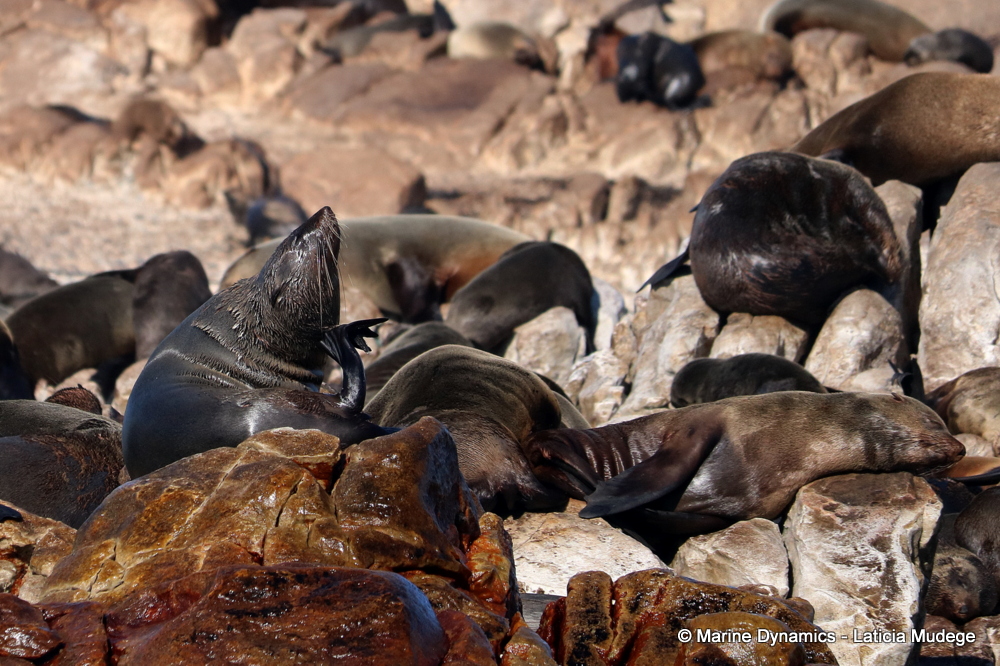
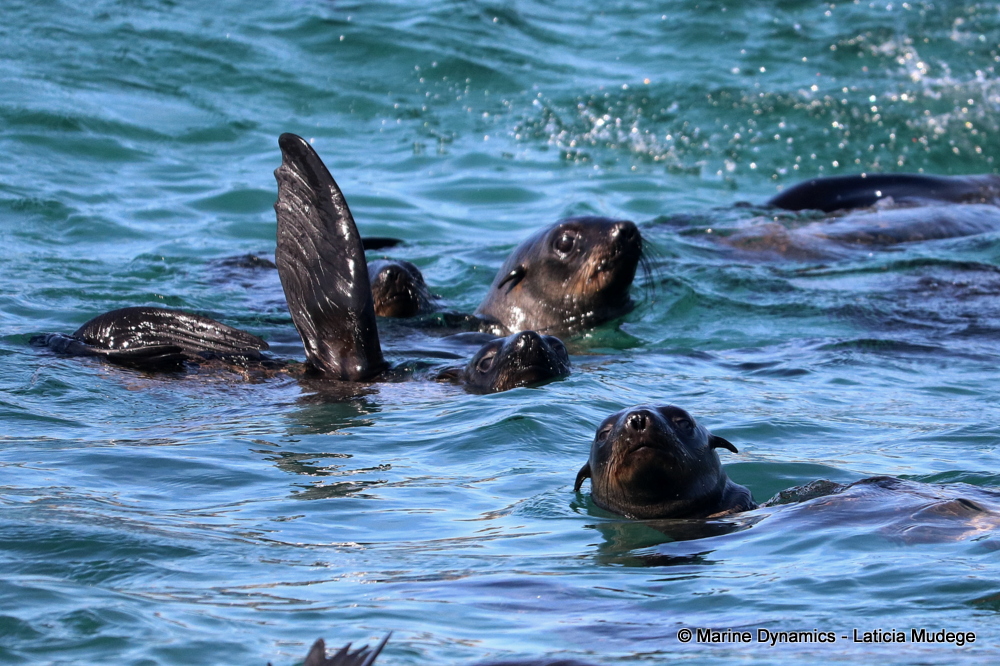
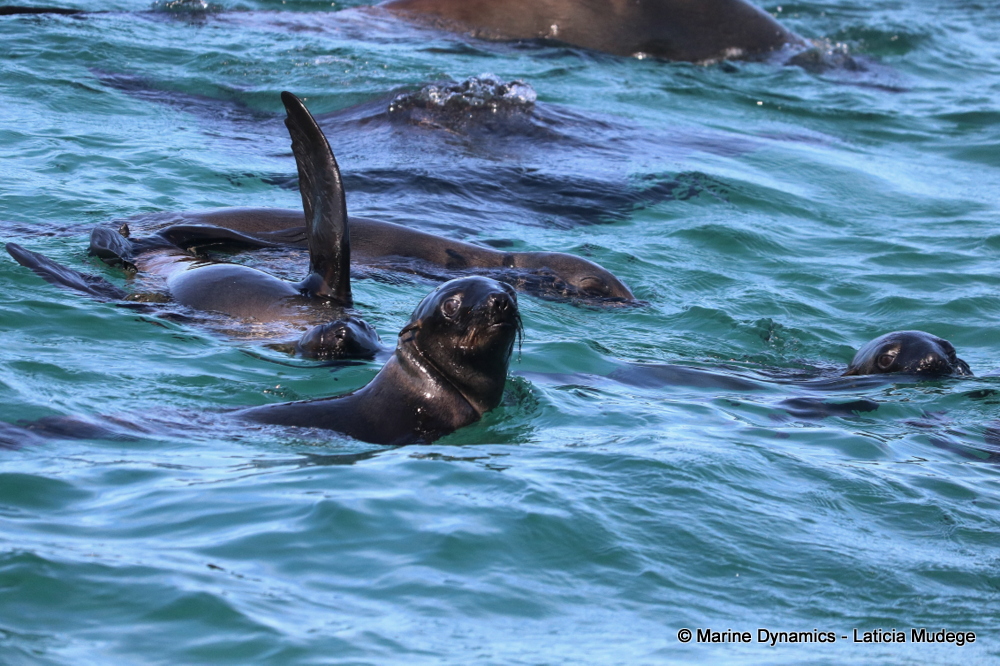
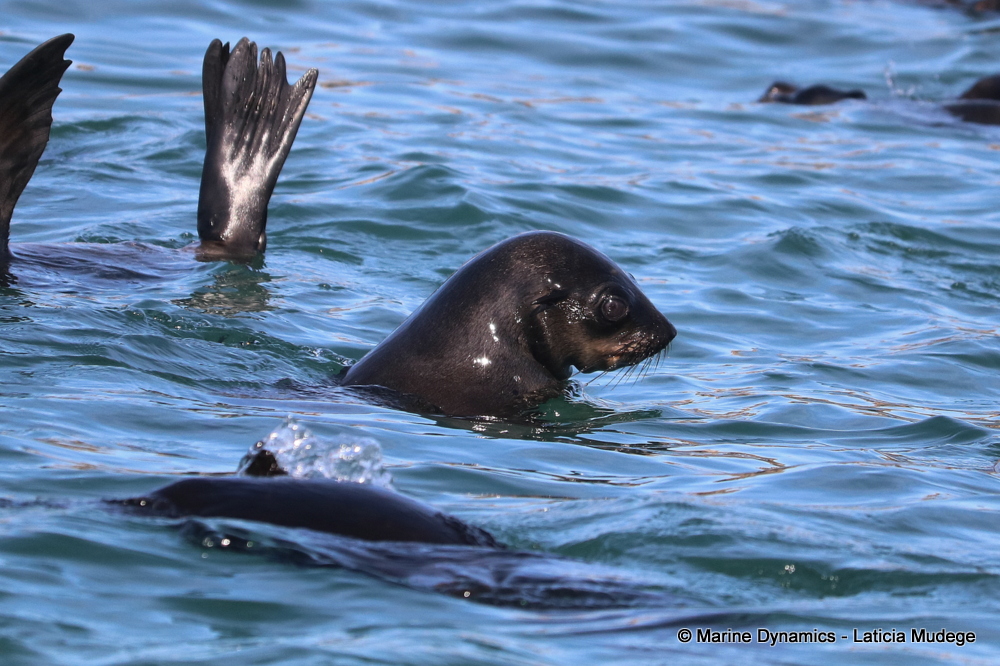
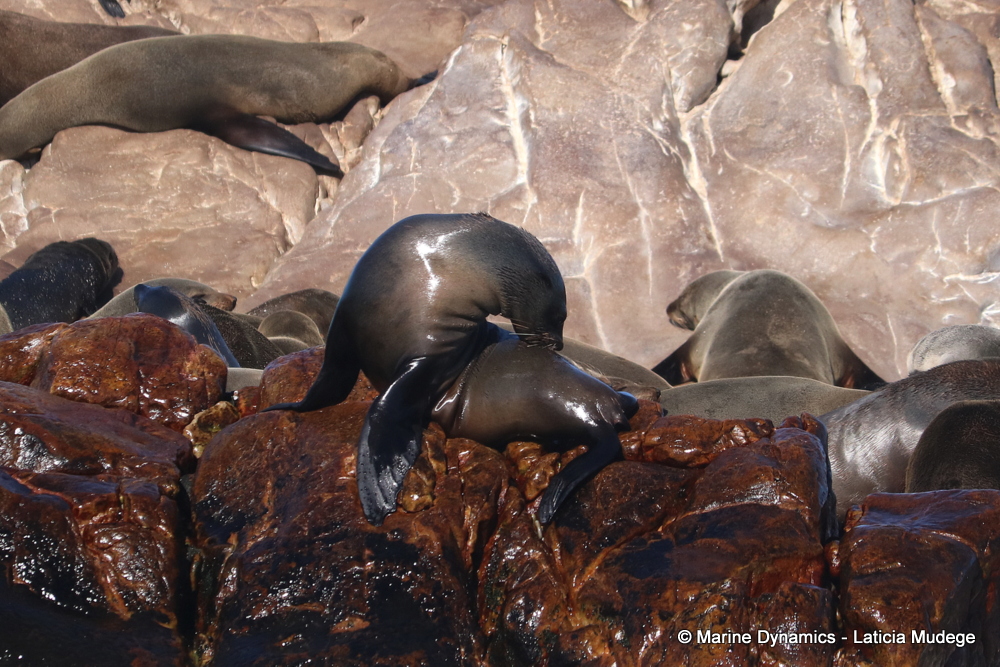
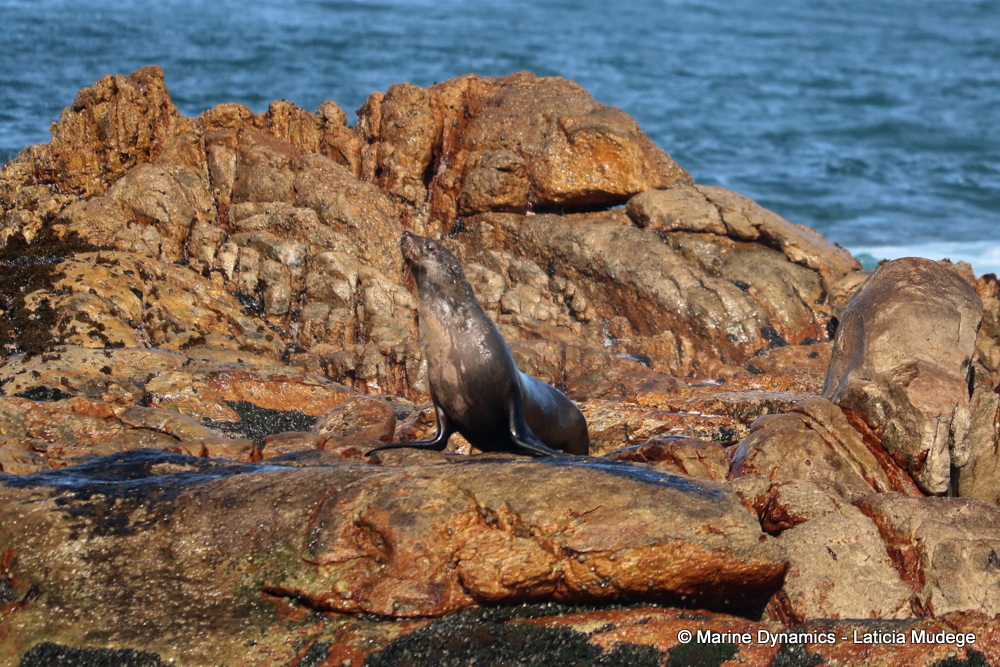
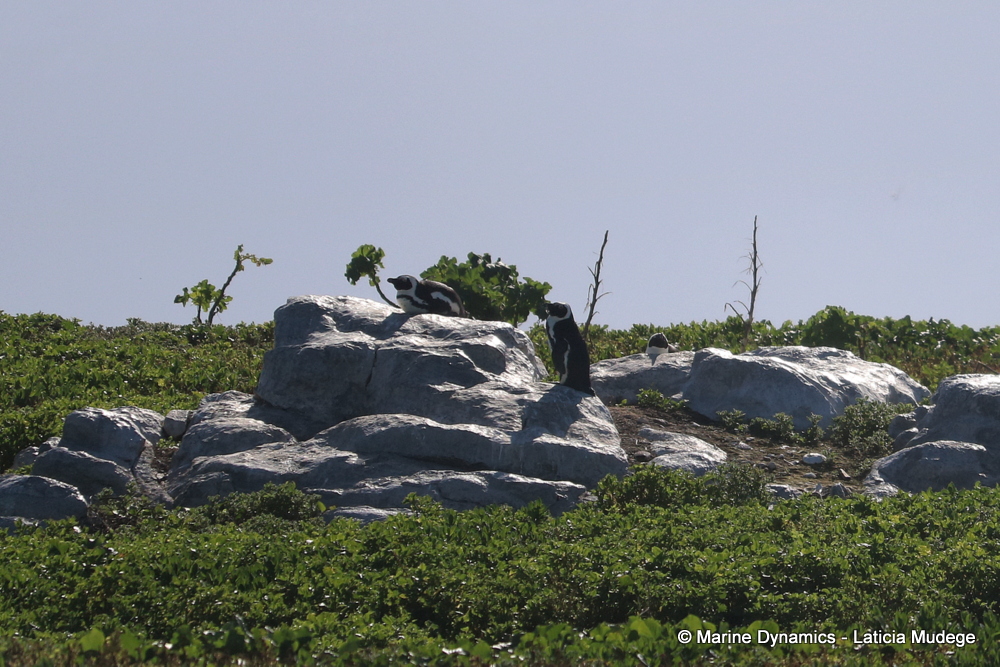
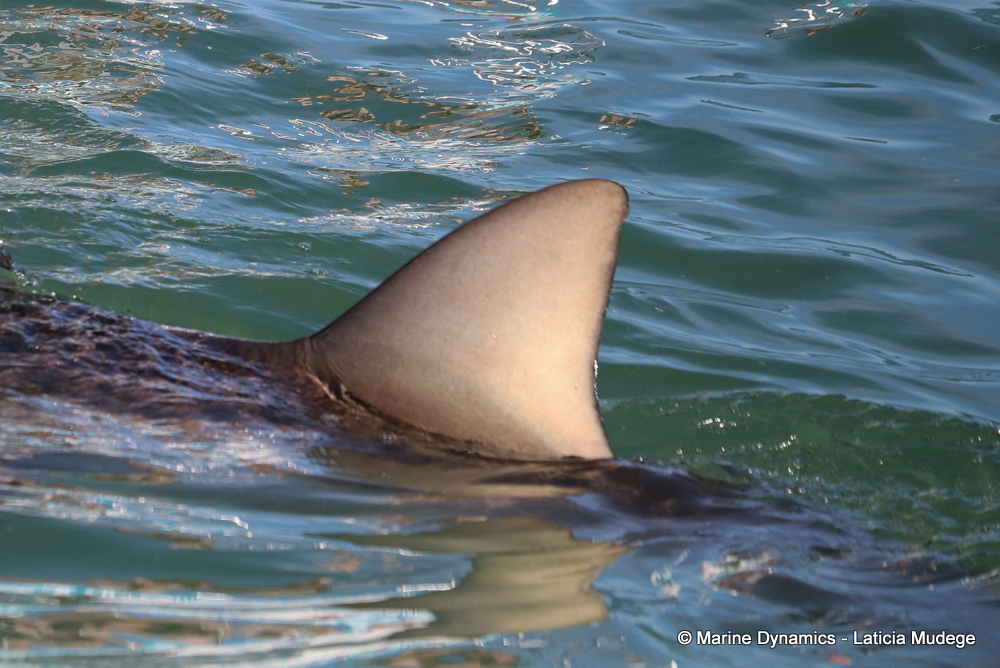
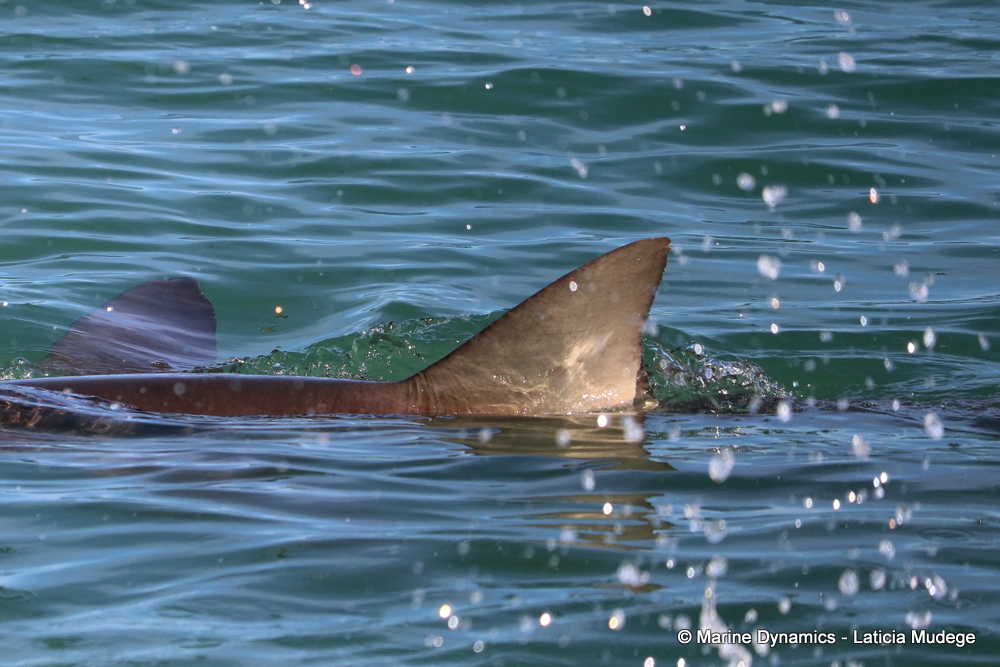
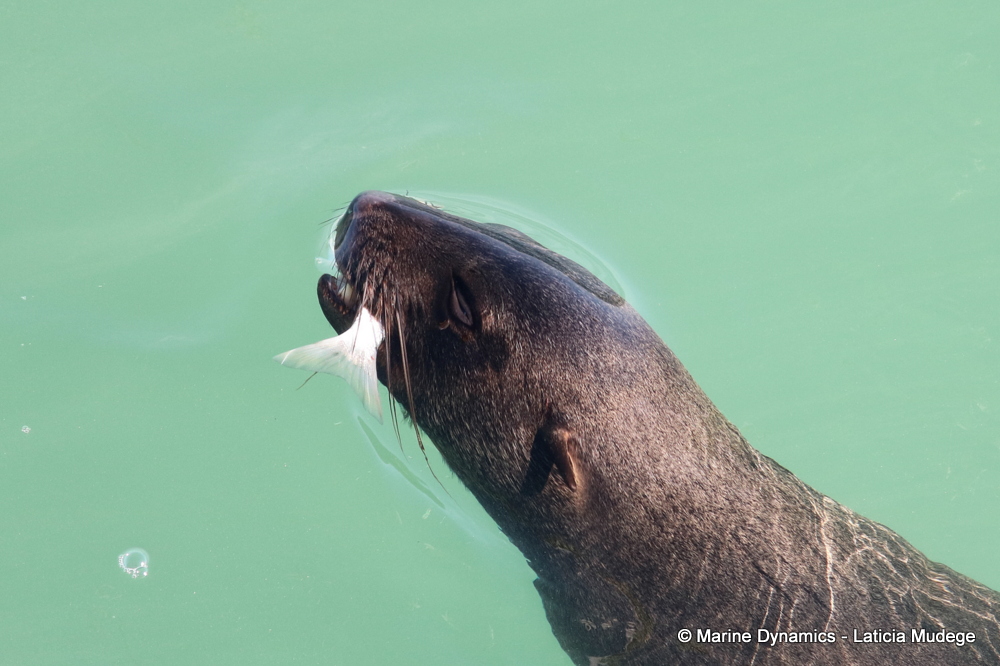
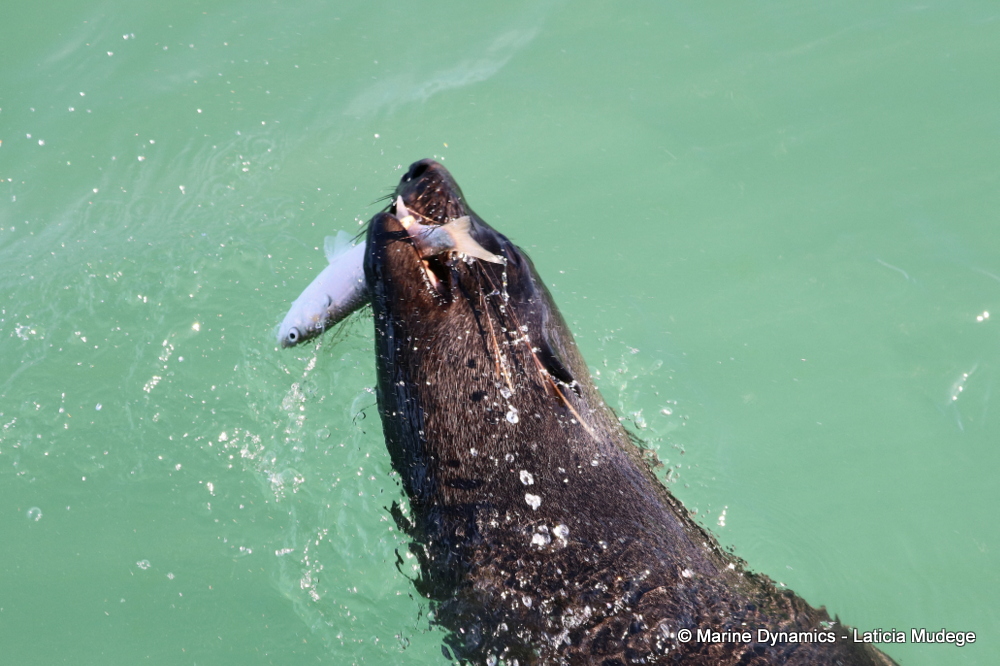
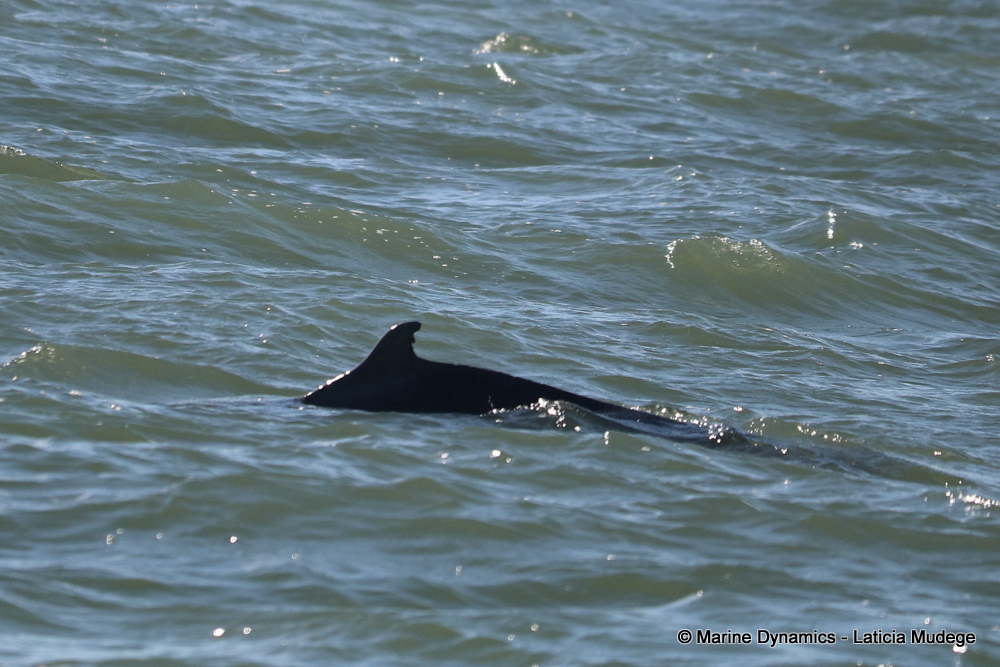
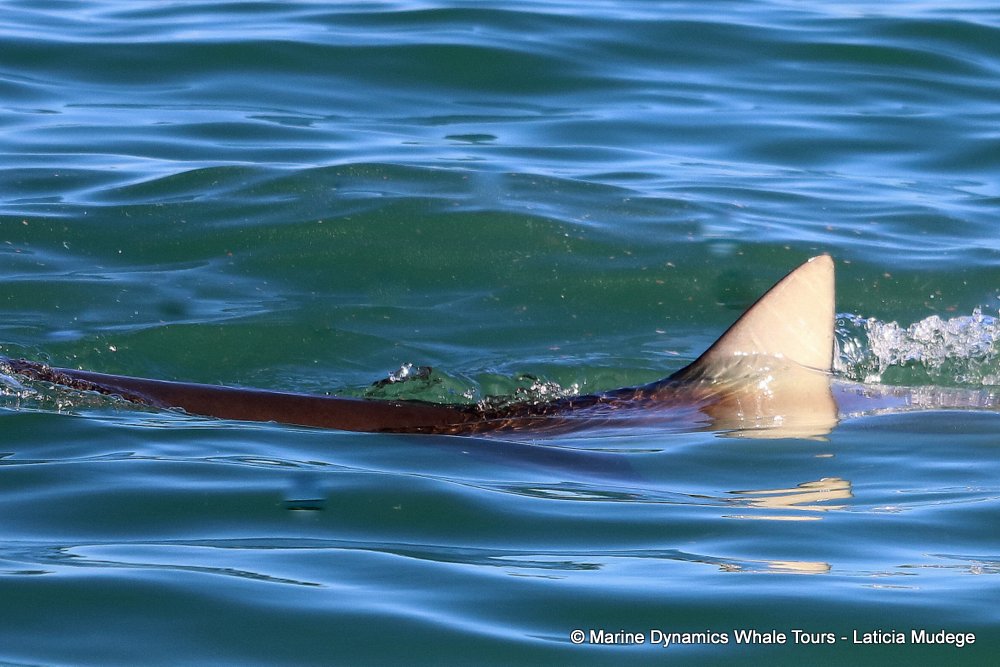
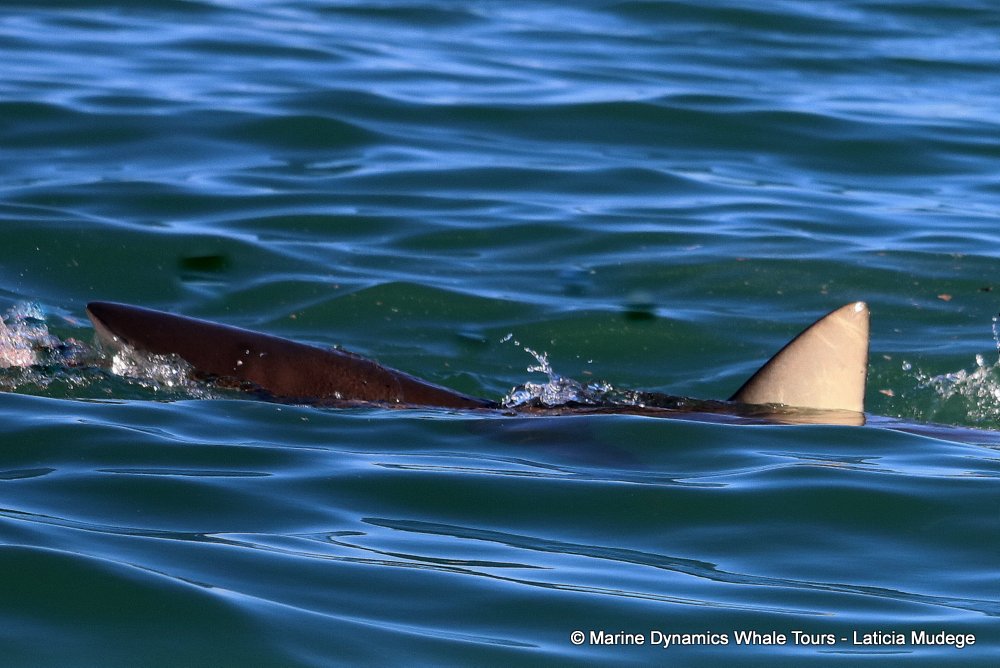
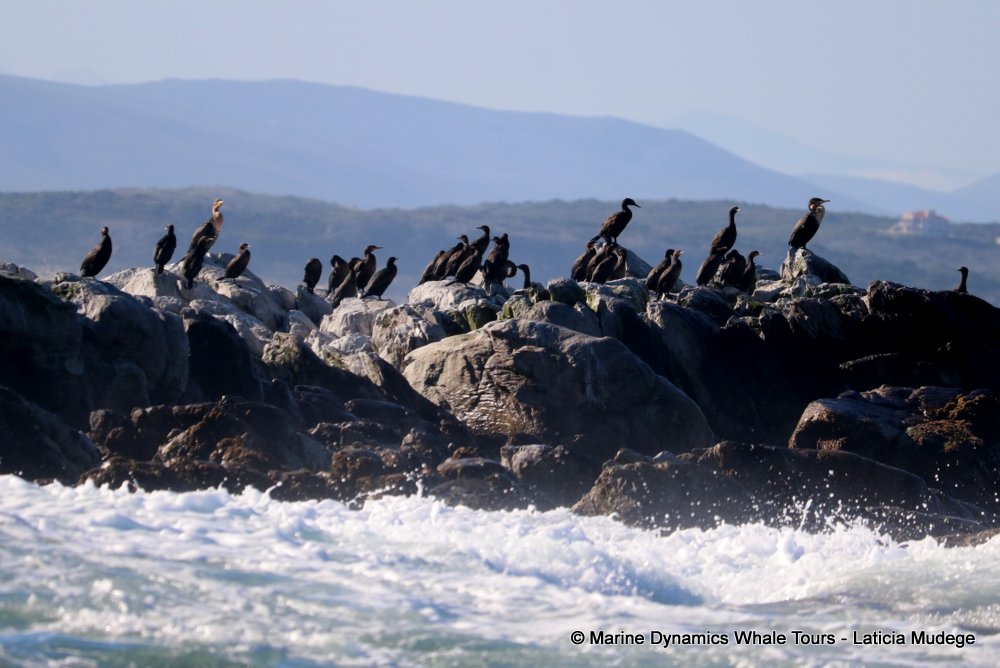
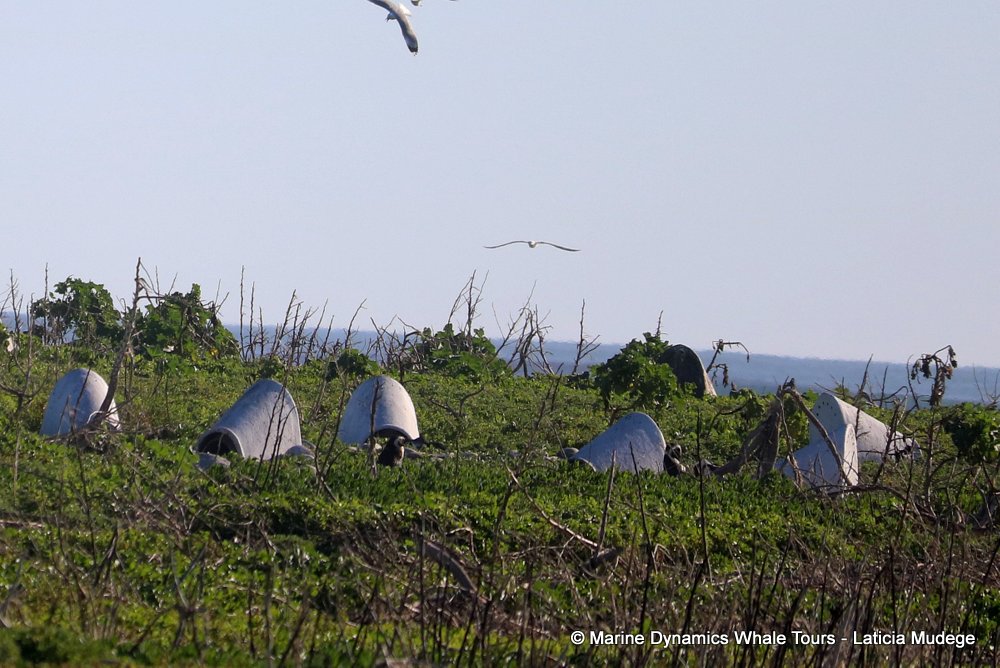
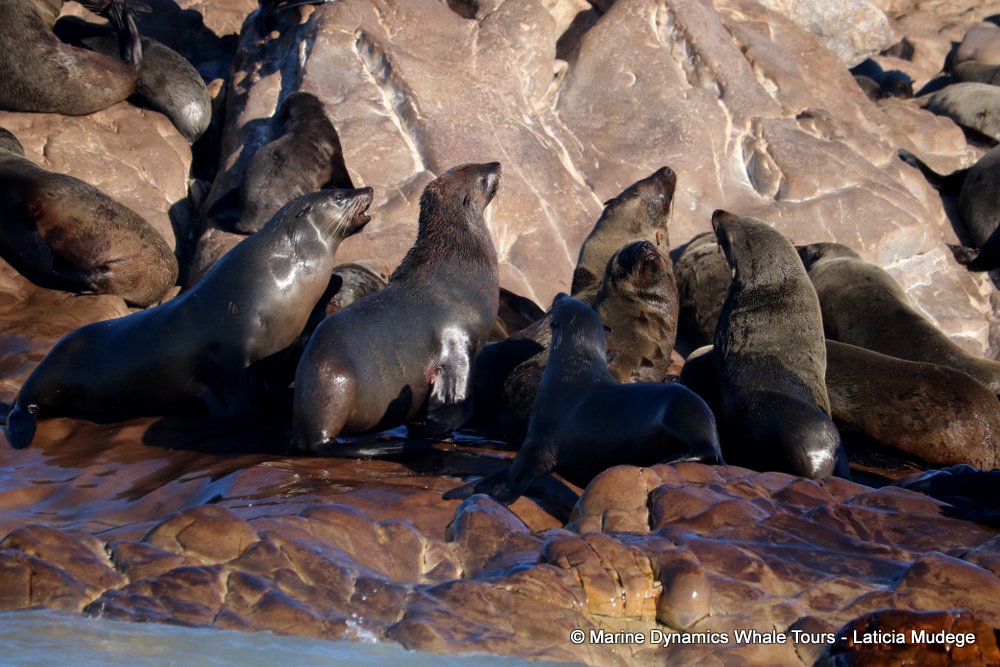
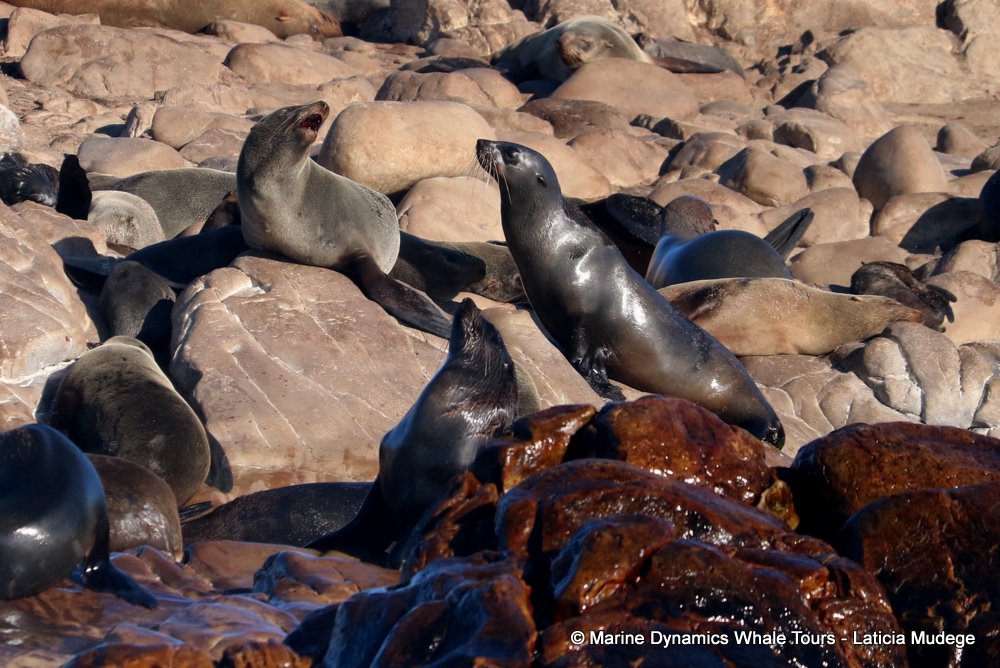
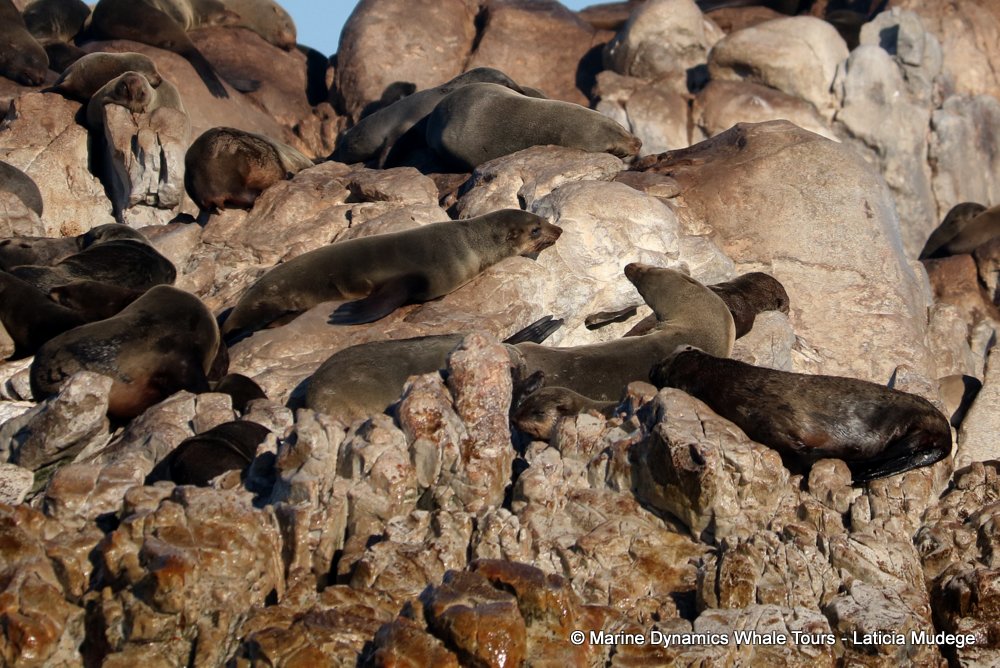
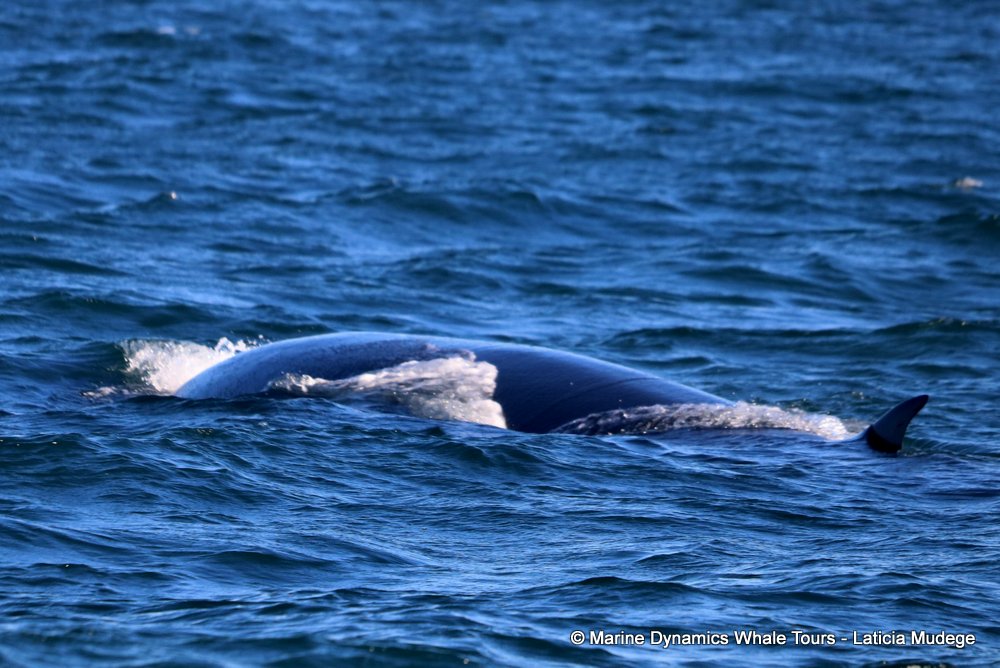
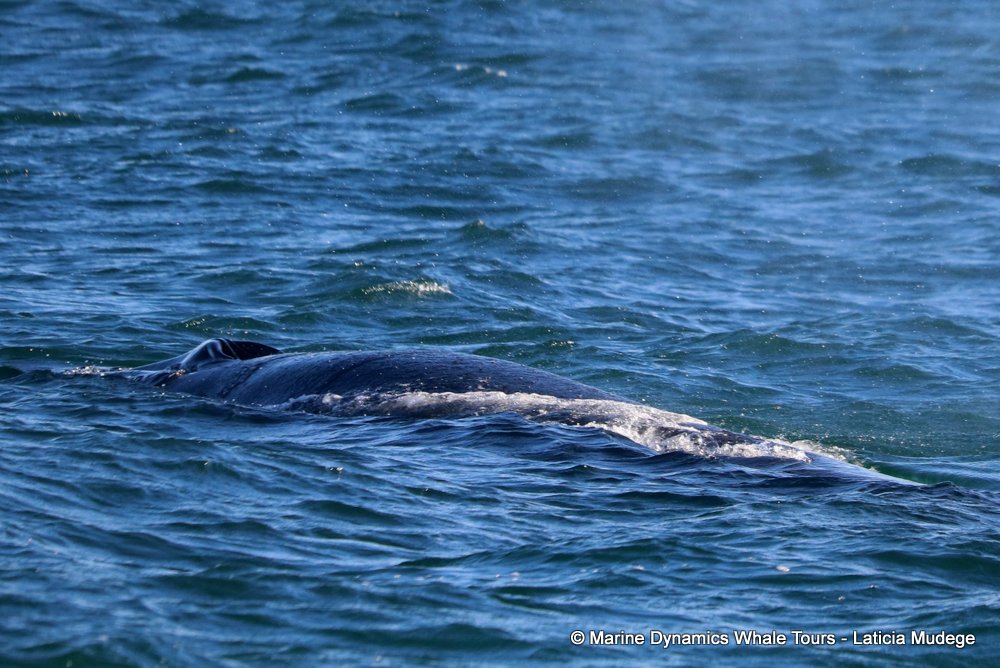
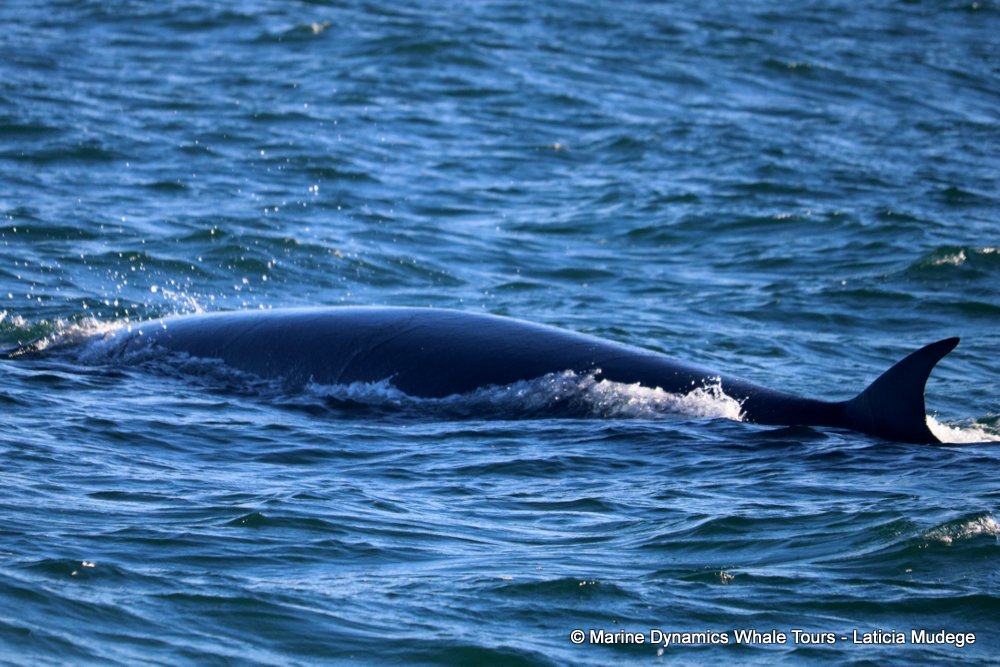
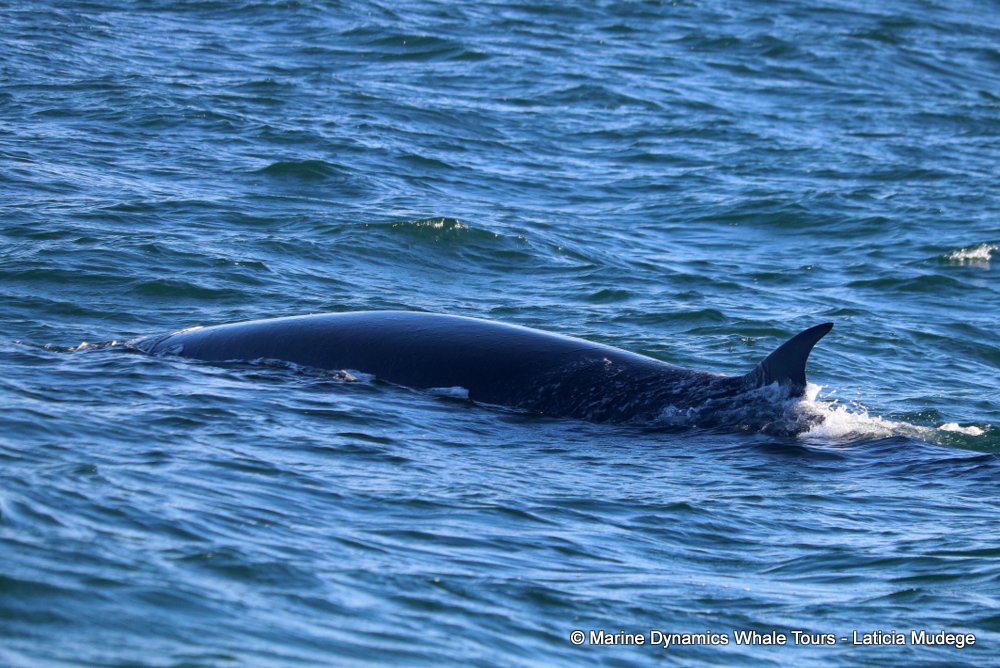
Beautiful conditions were ahead of us today! Both trips did the mandatory stops, which are: The Shallows and the Island system. Within the Shallows, we approached our Shark cage diving vessel Slashfin, where Bronze whaler sharks were already waiting for us. Around Dyer Island, we were on the lookout for our critically endangered African Penguins. Entering Shark Alley, the Cape fur seal colony did not stay quiet as we were welcomed with loud vocals. In deeper waters, we spotted a Humpback whale in the morning whereas we encountered a Bryde’s whale in the afternoon! On the first trip we spotted all of the Marine Big 5 as we finished up our trip with a sighting of the endangered Indian Ocean humpback dolphins.

Tripadvisor – https://bit.ly/2YZ0jDR
Google – https://g.page/r/Caej8uYZYnR8EBE/review
Facebook – https://www.facebook.com/WhaleWatchSA
Whale watching, South Africa, Gansbaai,
What species did we see today?
African Penguin African Penguin
As one of only 17 penguin species left in the world (and the only one on the african continent), the african penguin often breed in offshore colonies, such as Dyer Island.
Bronze Whaler Shark Bronze Whaler Shark
The Bronze whaler (also known as Copper sharks) here in Kleinbaai are very curious and interactive. These sharks eat mostly fish, with sardines being one of their favourites.
Cape fur seal Cape fur seal
With a local population of 60,000, it's no wonder our guests capture so many photographs of these wonderfully playful marine mammals.
Humpback Whale Humpback Whale
One of the best-known whale species, they are renowned for their acrobatic behaviour and complex melodious song as well as extremely long flippers and are a special favourite of Dyer Island Cruises guests and crew alike.
Indian Ocean Humpback Dolphin Indian Ocean Humpback Dolphin
Humpback dolphins are an endangered species, with small populations living very close to shore, typically in water less than 25m deep and an average home range of 120km. Their proximity to land makes these animals particularly vulnerable to human influence.
Brydes Whale Brydes Whale
The mysterious Bryde's whales visit the Dyer Island area throughout the year, with most sightings occurring during summer into winter.
