
Marine Big 5 Daily Blog 13 October
Written by October 13 2026
Whale Watching near Cape Town, South Africa – Welcome to Gansbaai, home of the Marine Big 5.
Trip Summary 13 October 2026:
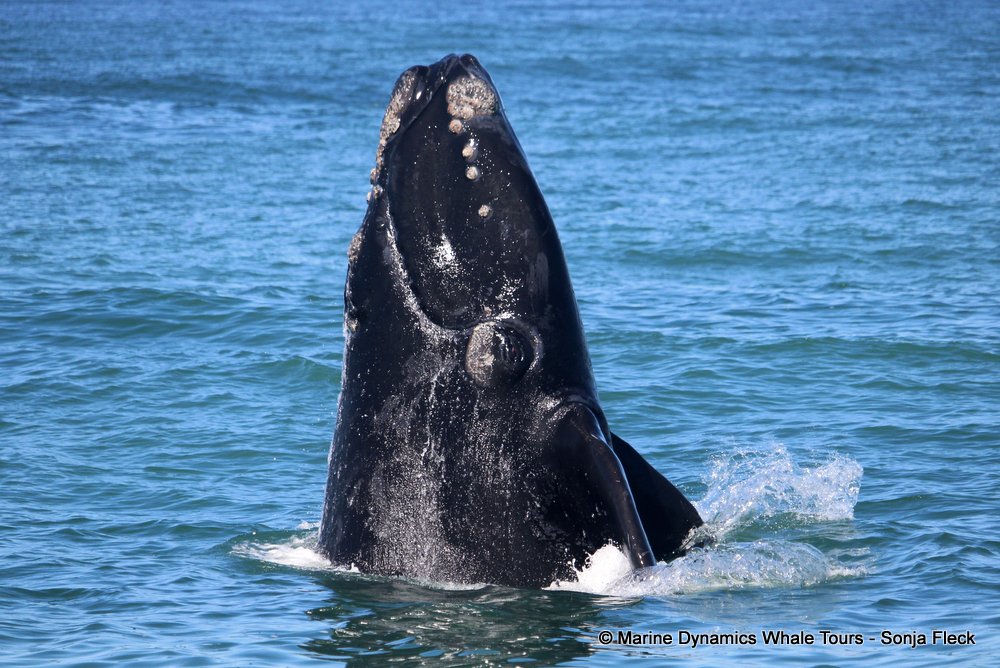
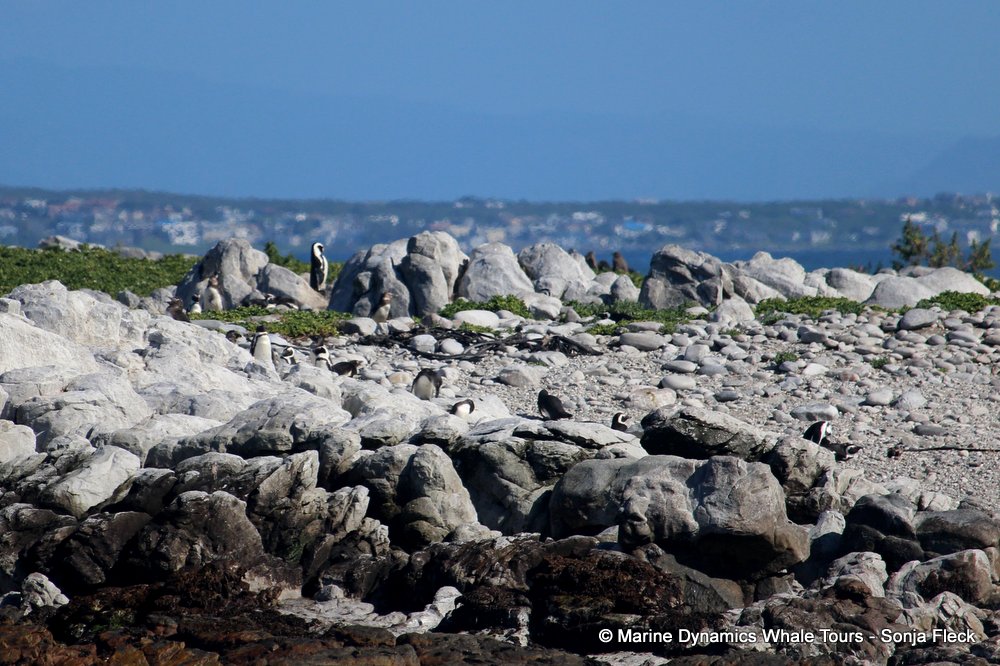
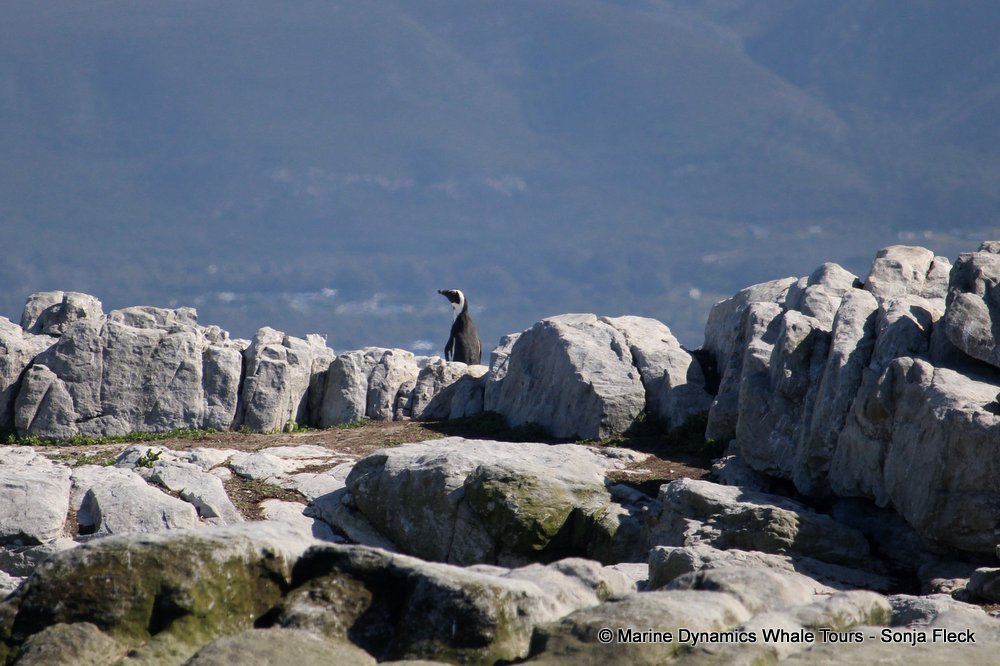
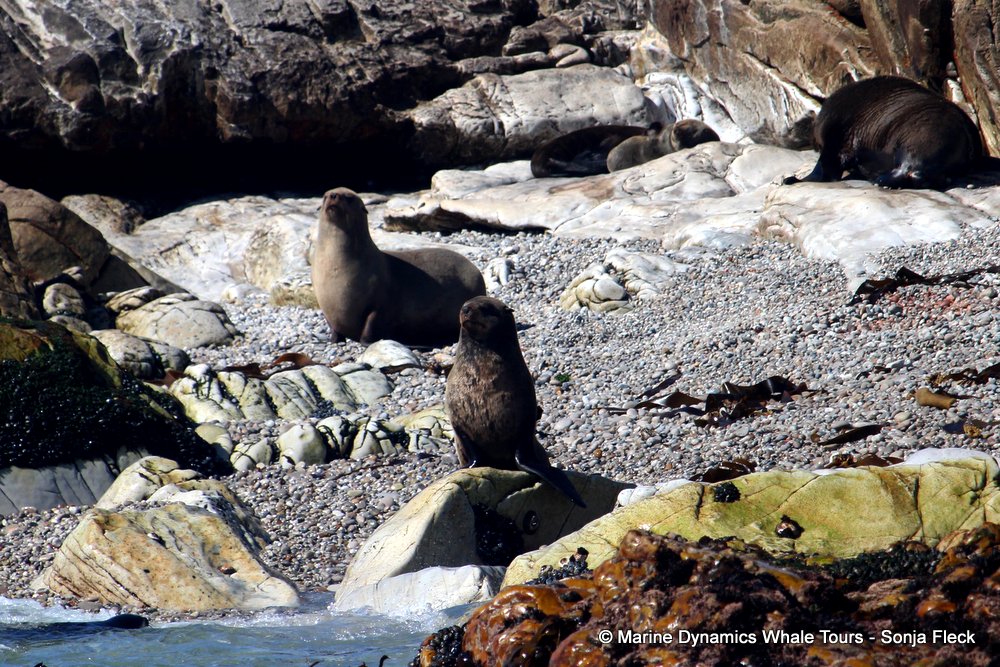
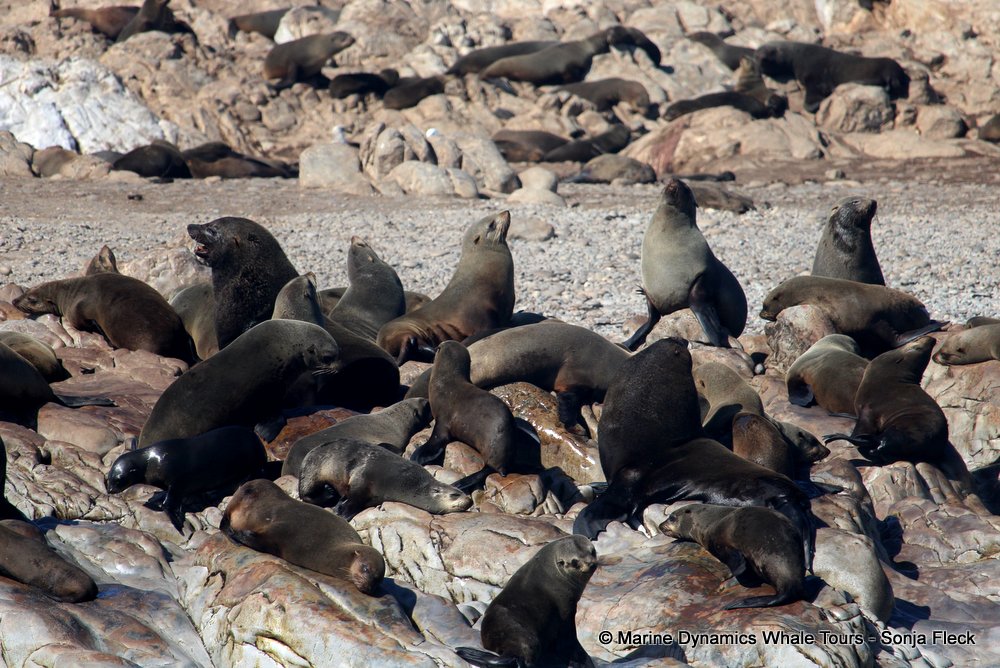
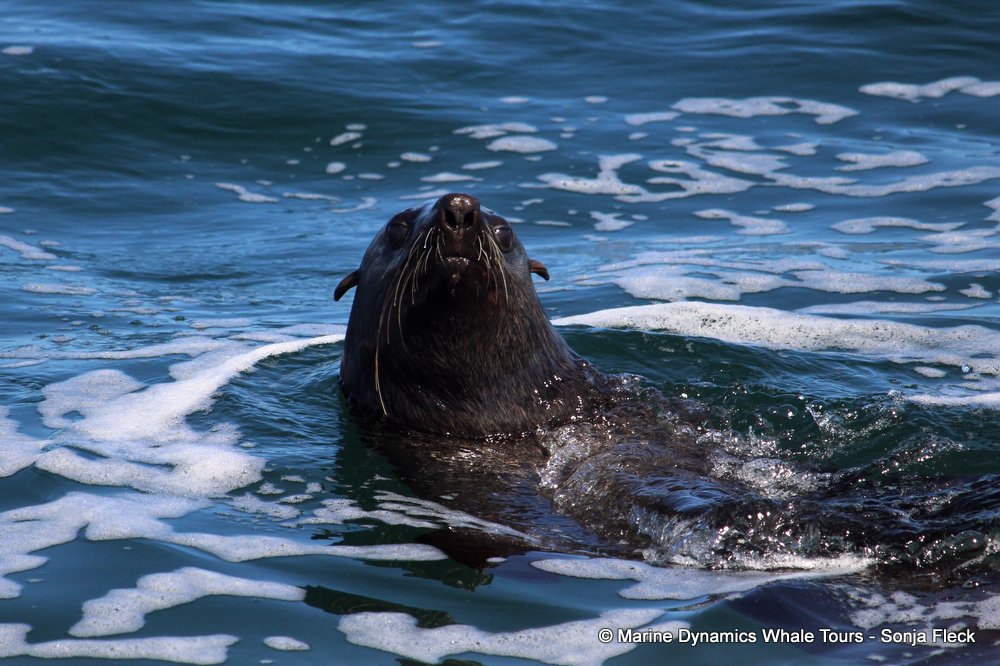
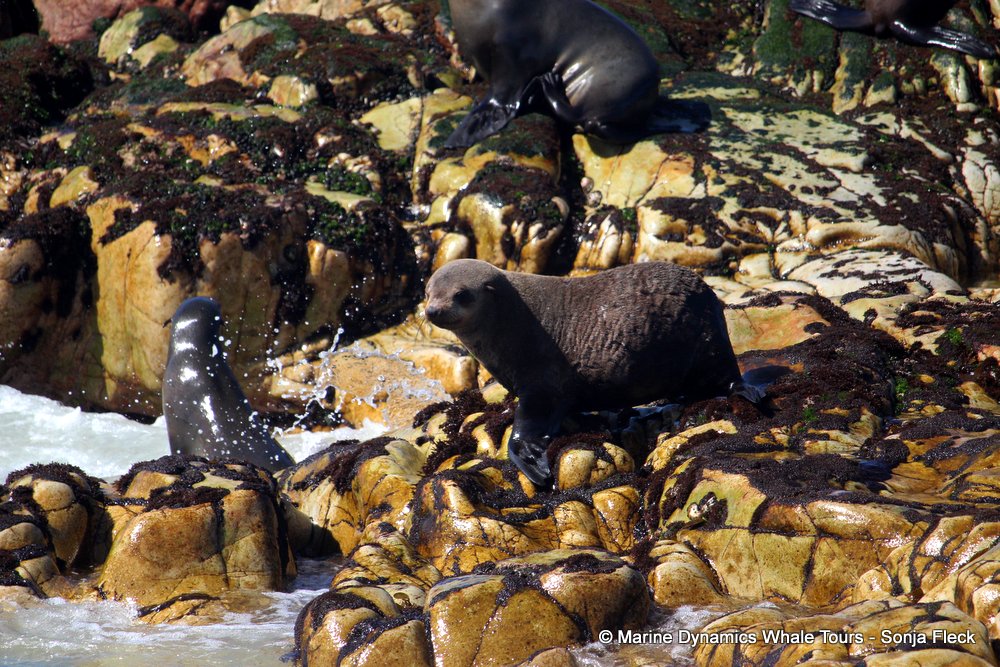
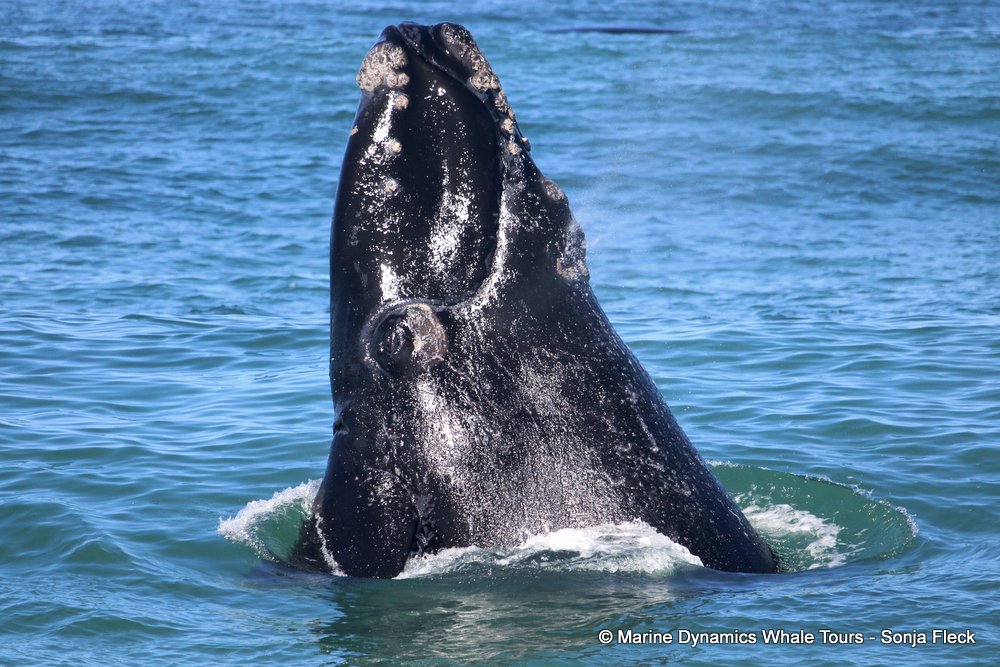
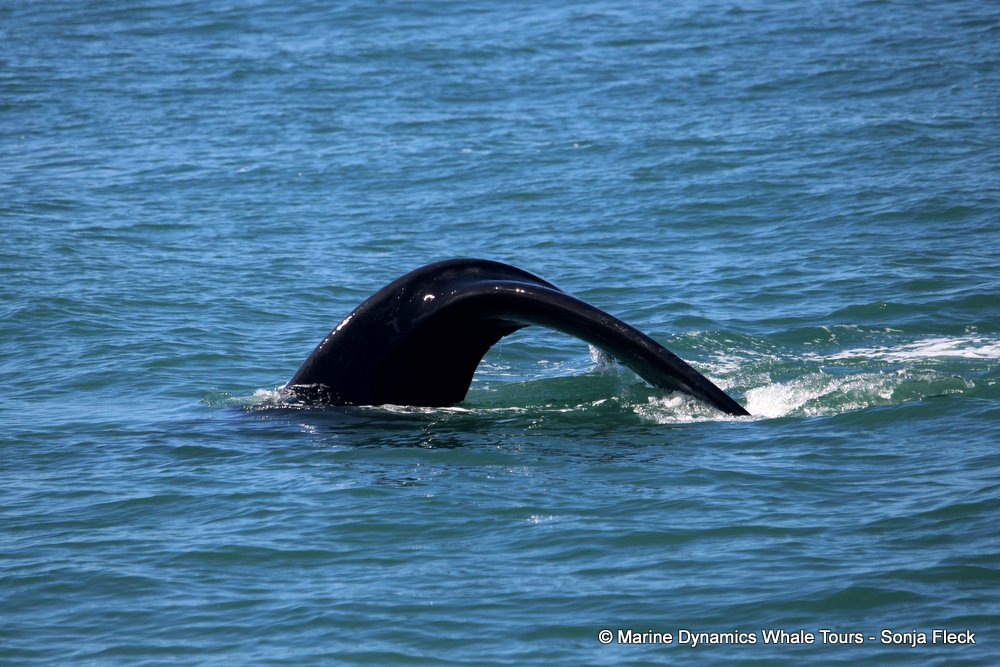
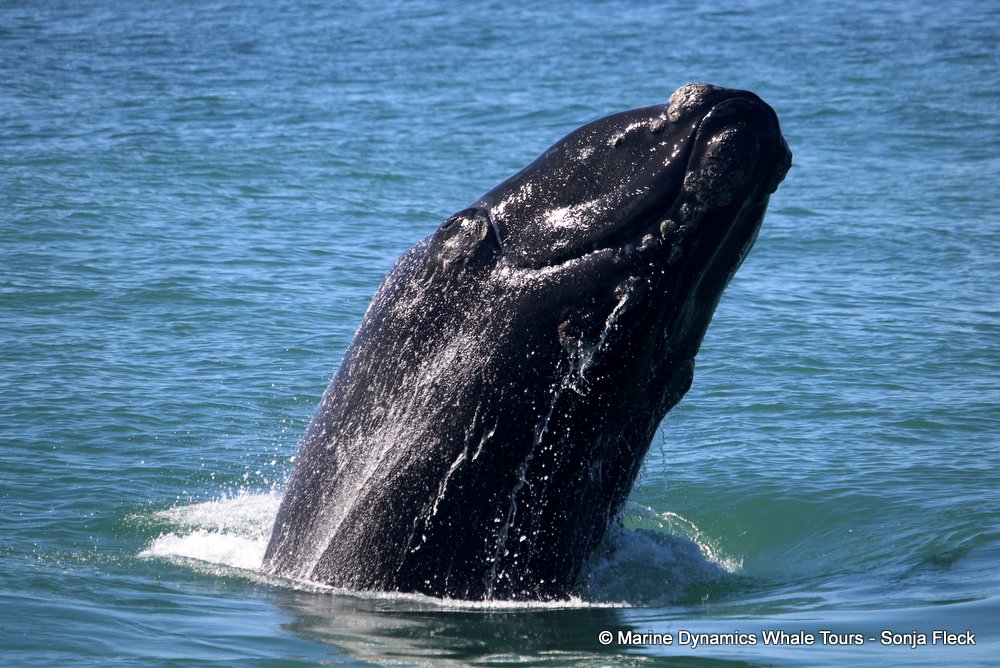
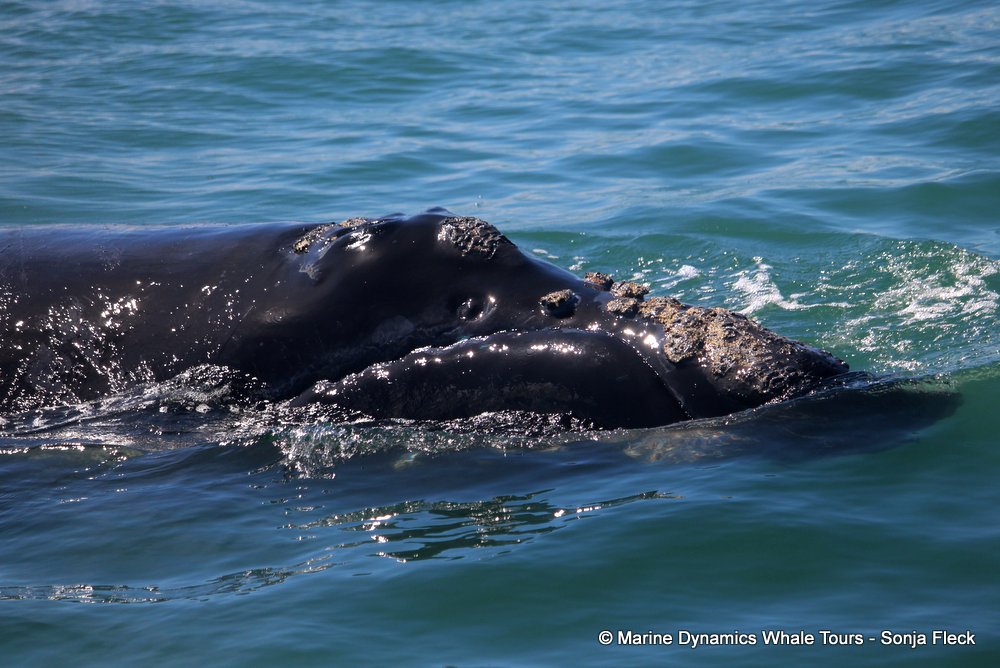
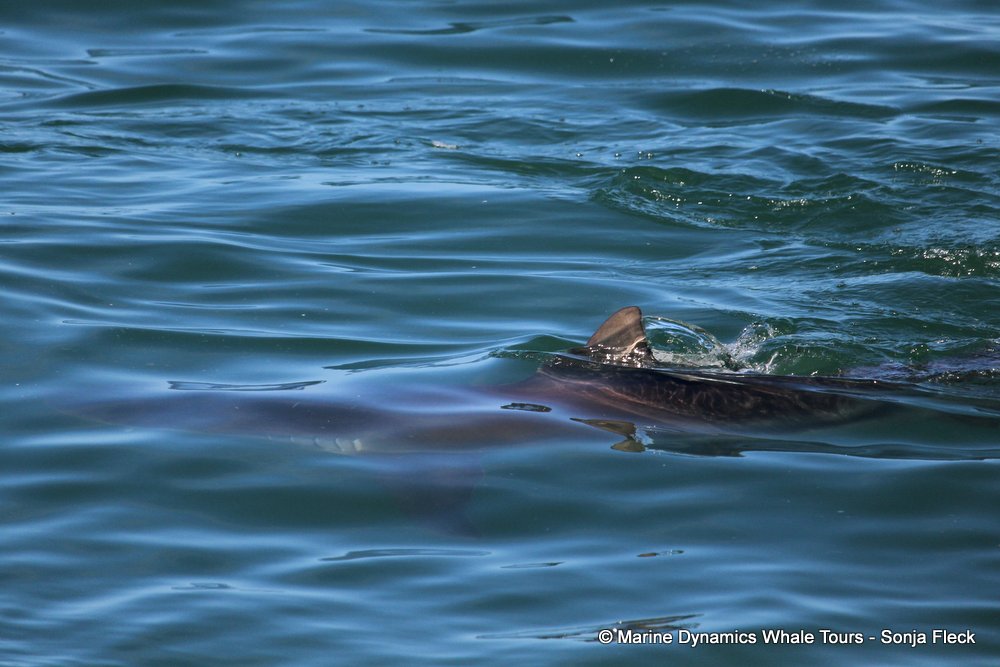
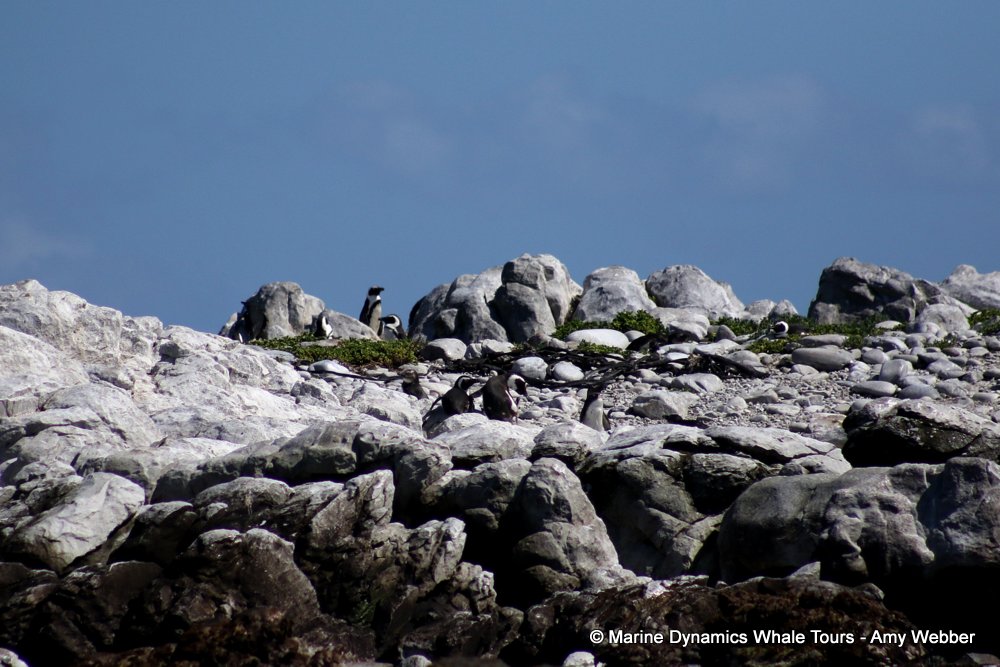
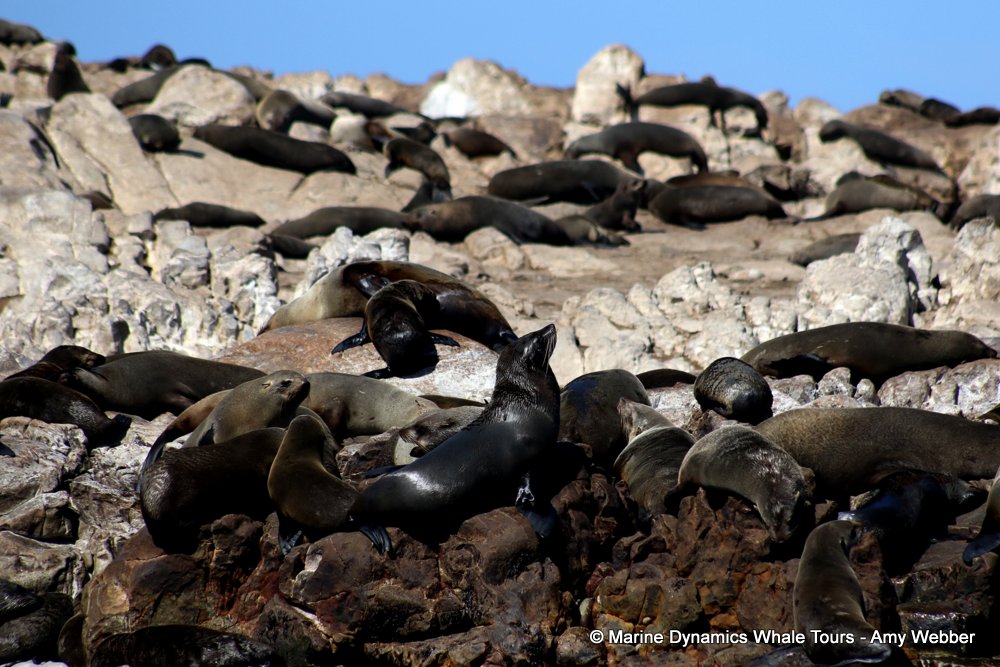
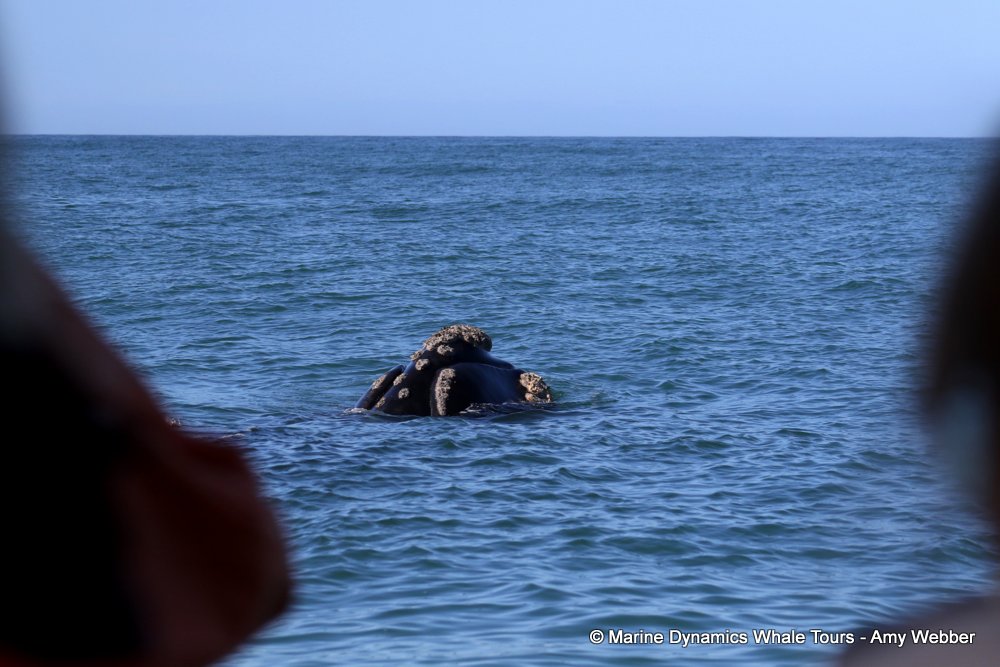
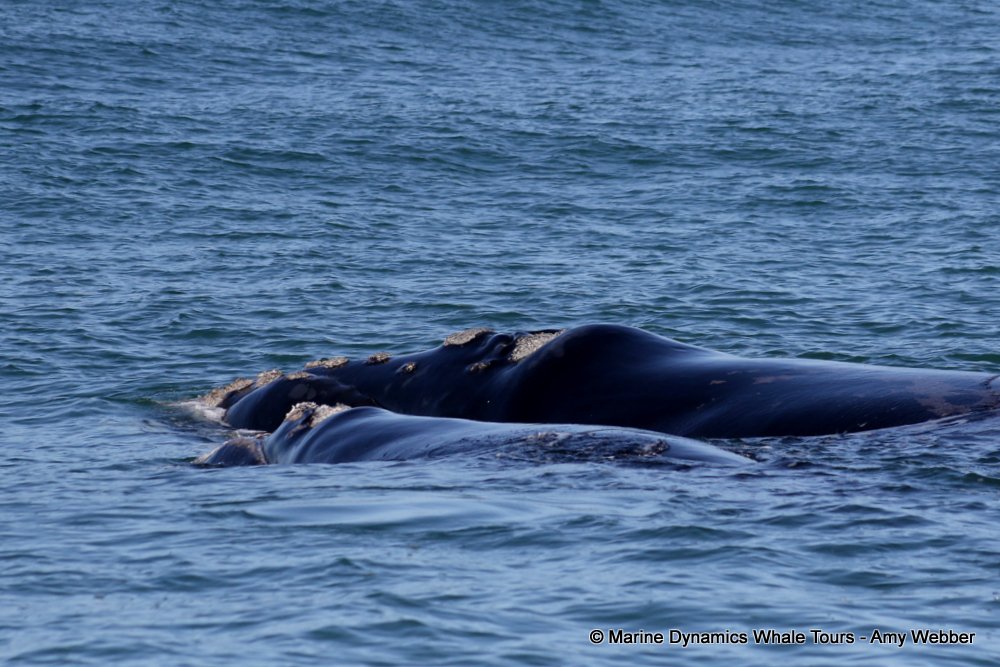
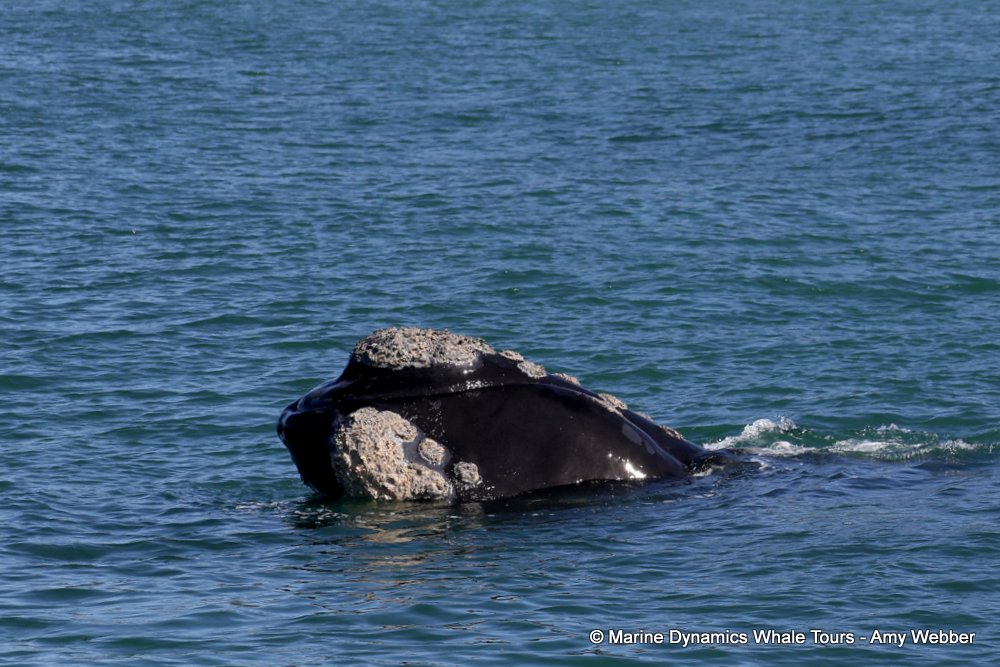
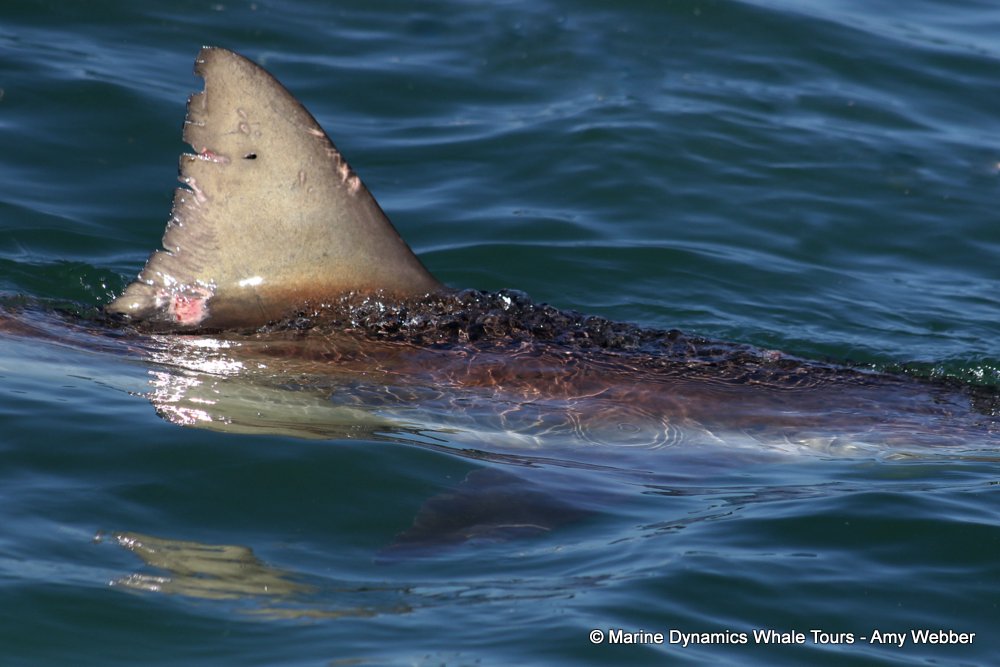
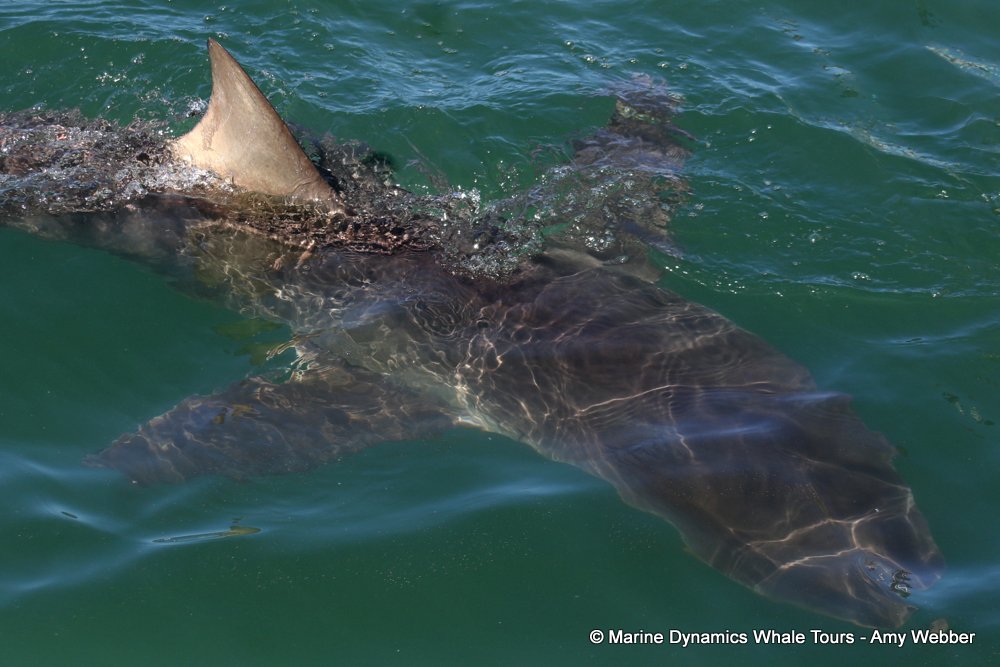
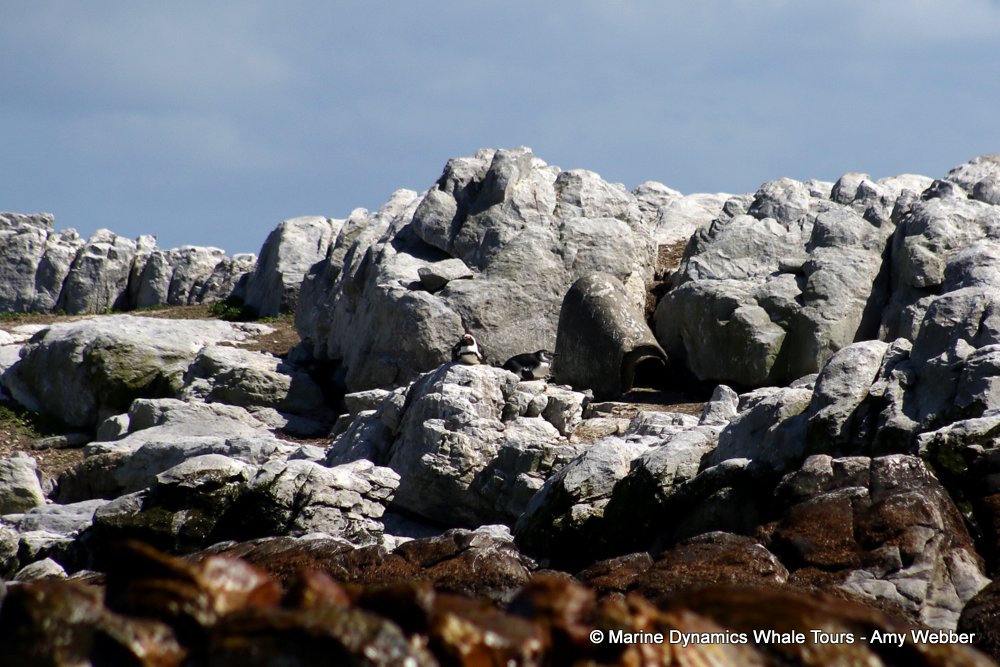
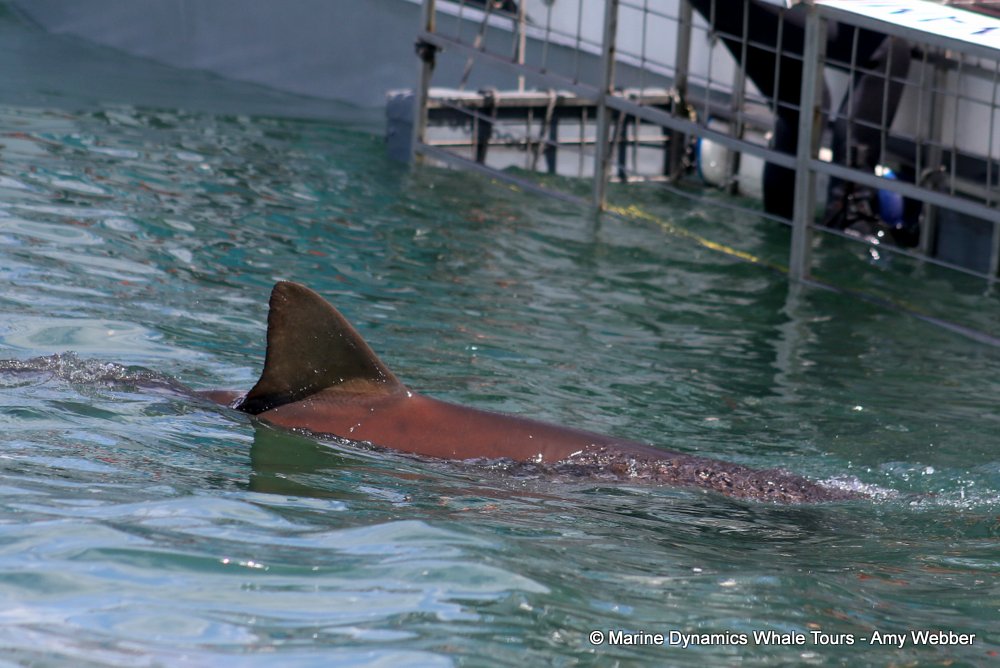
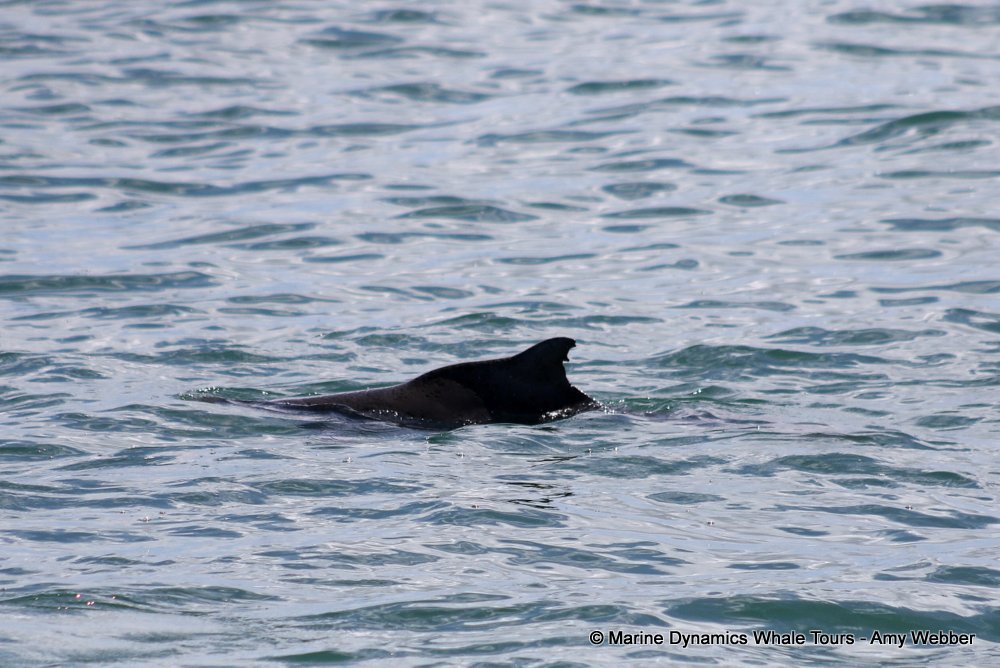
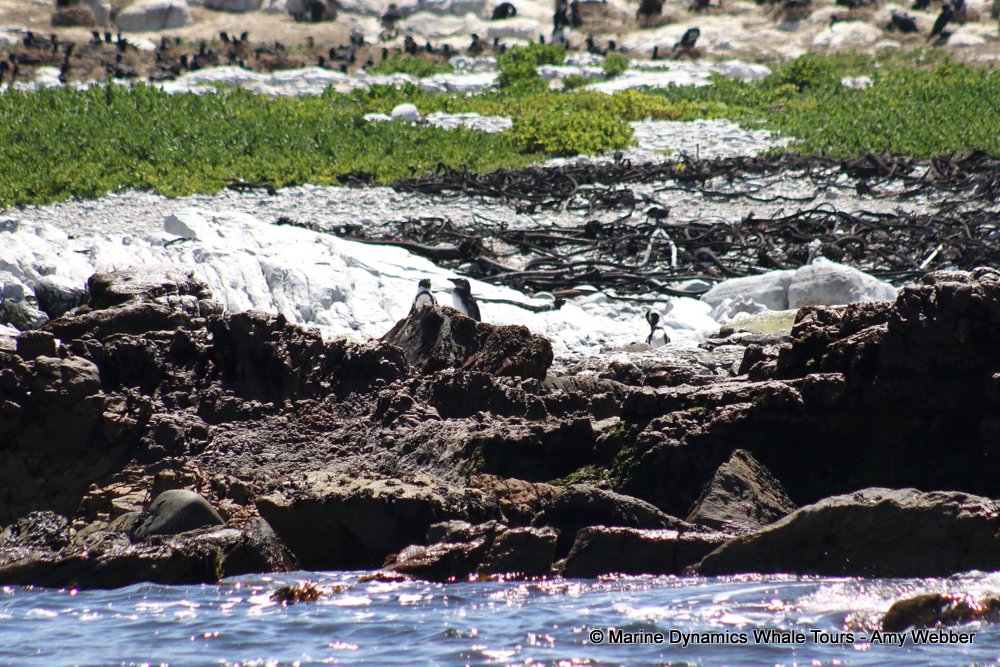
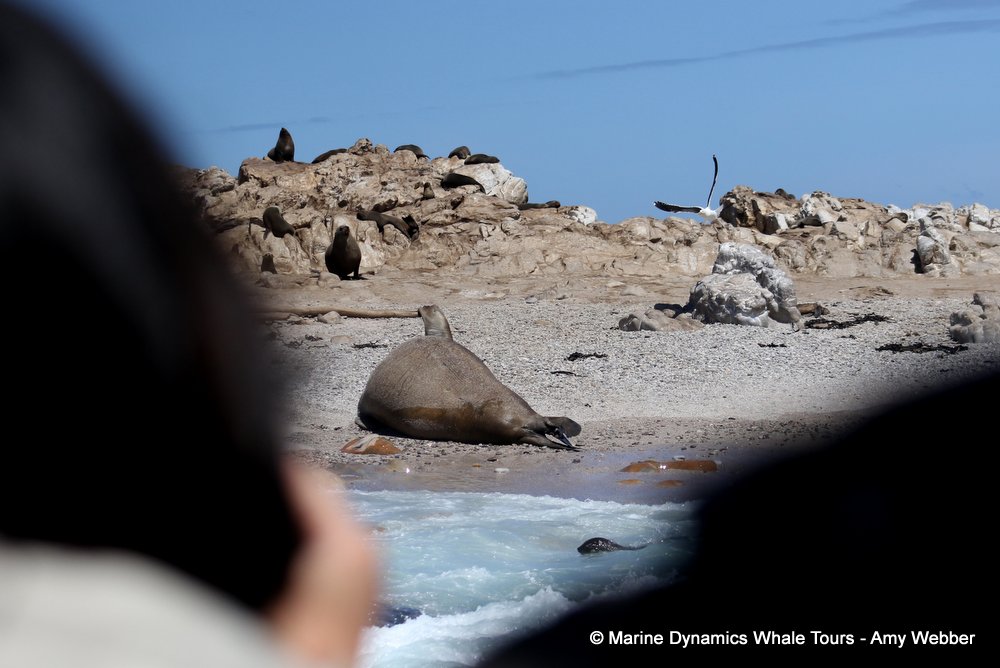
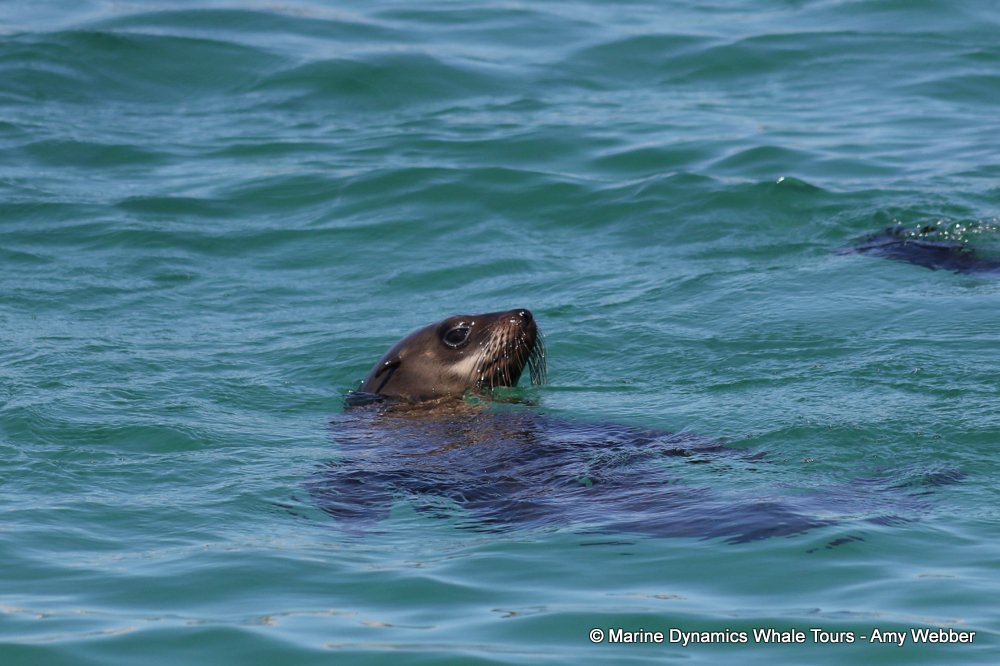
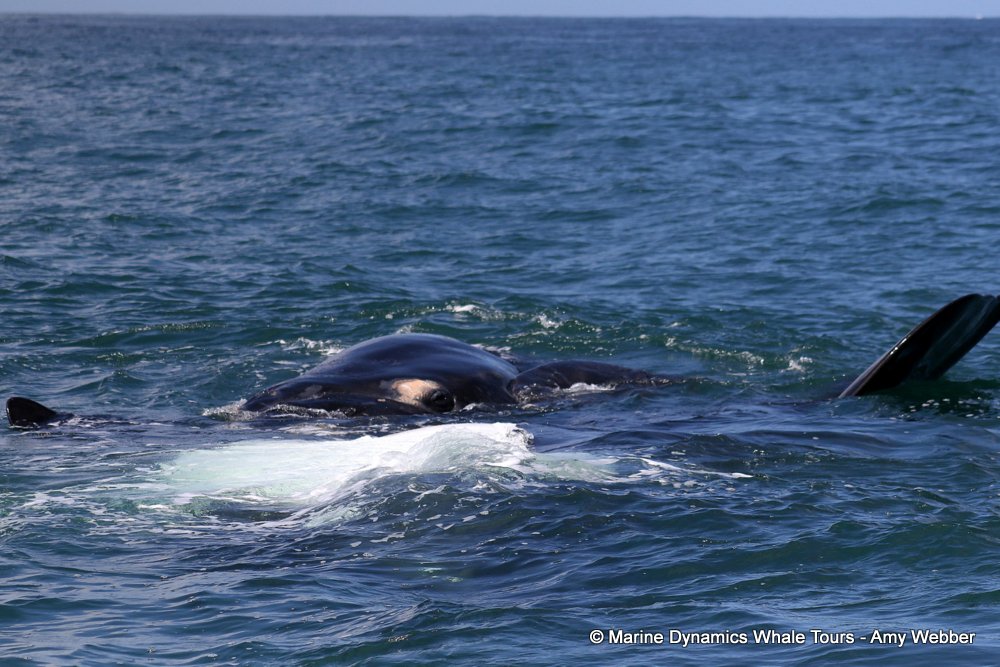
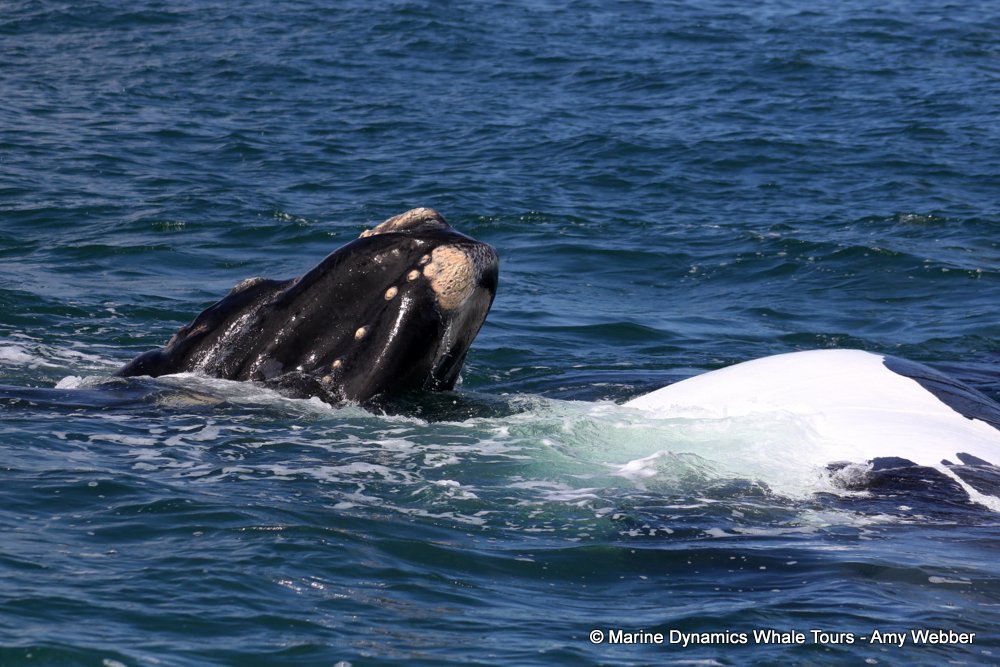
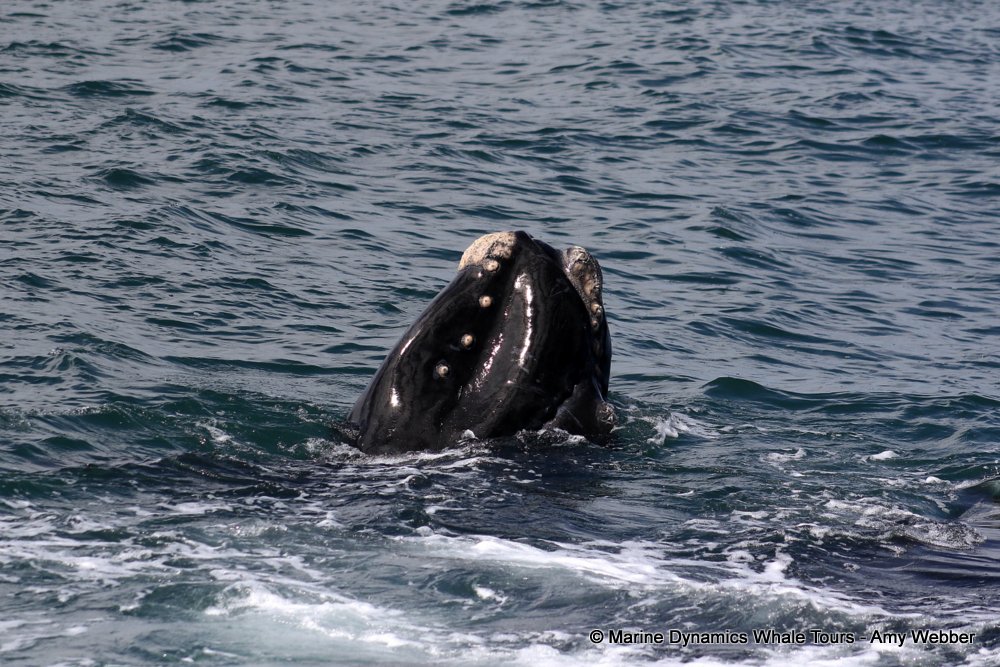
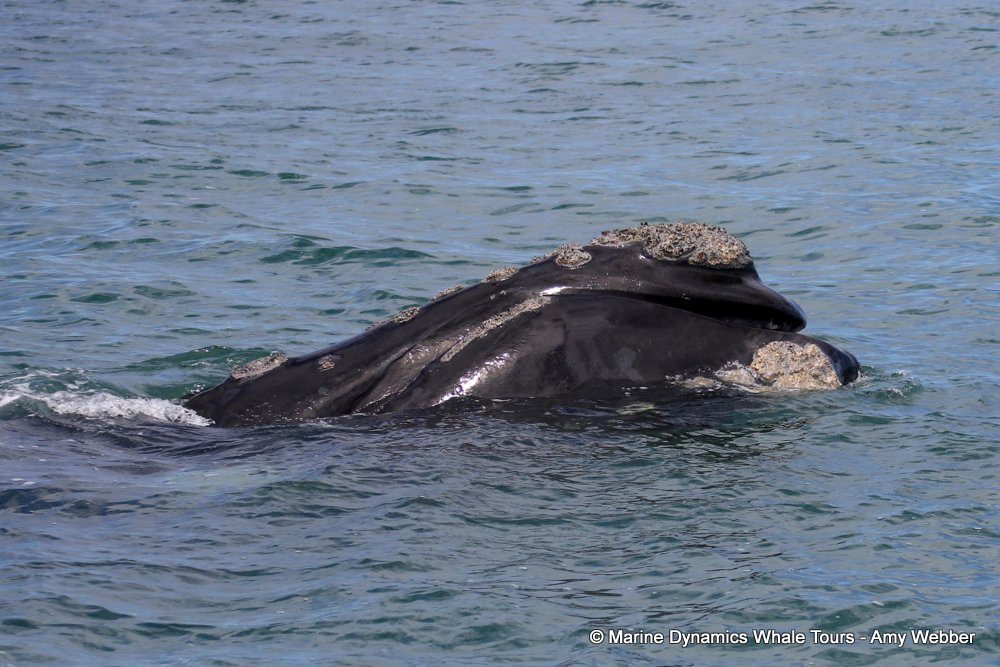
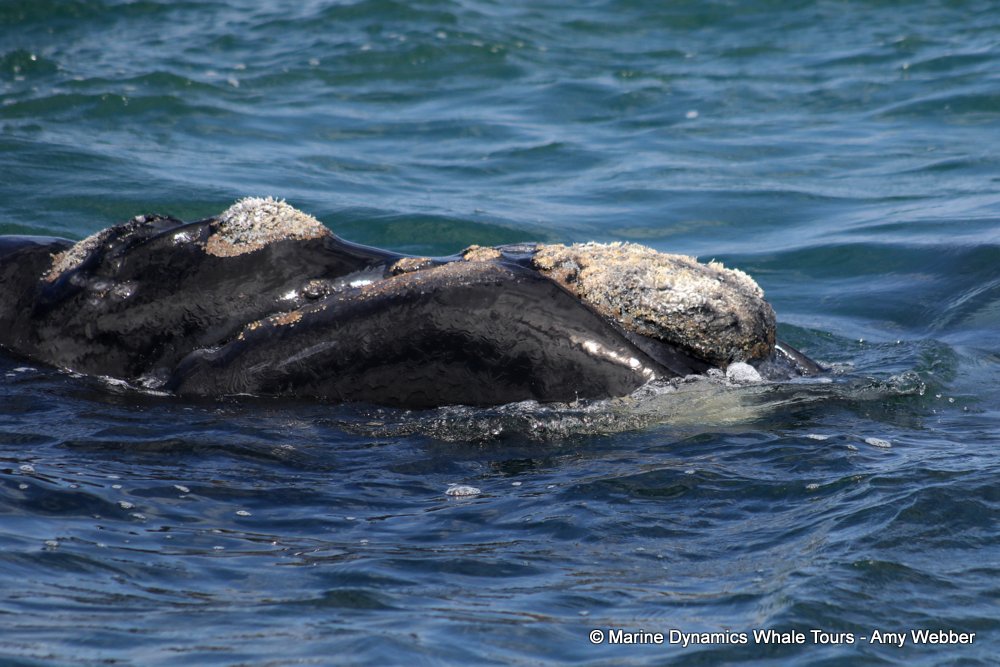
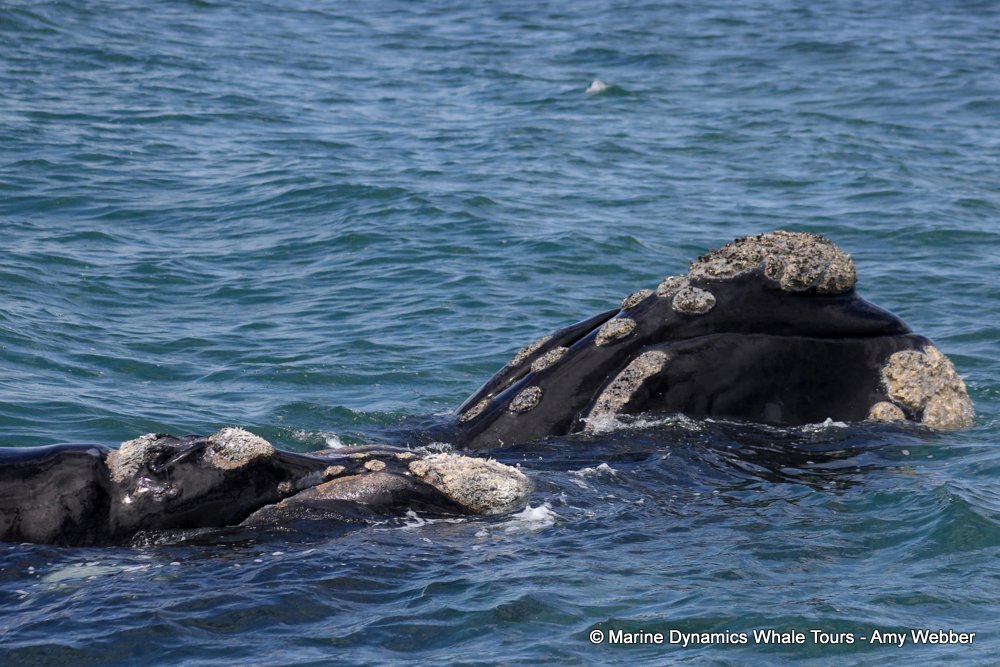
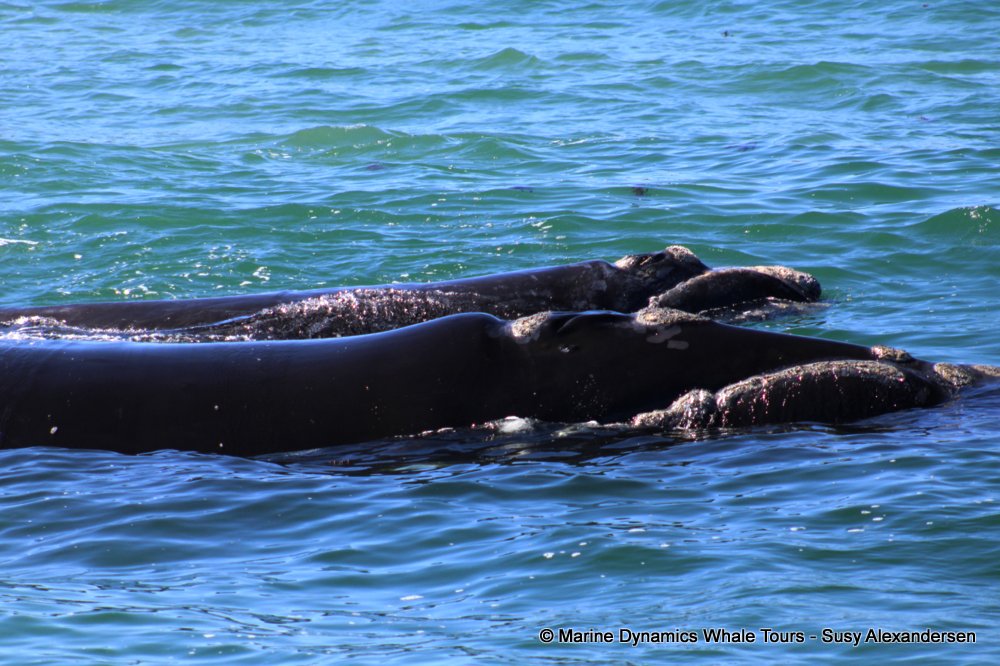
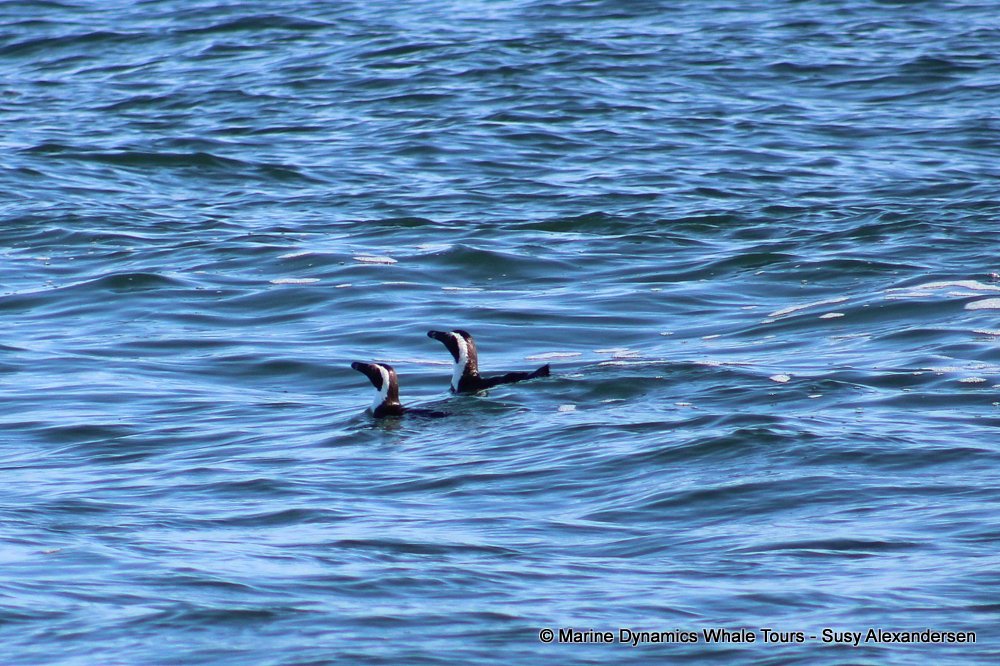
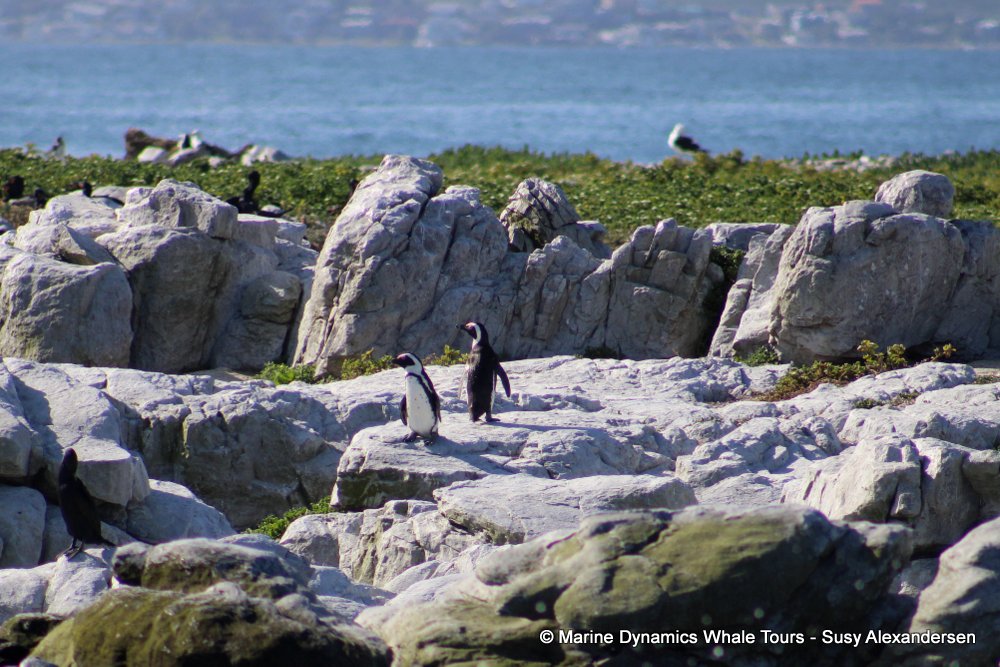
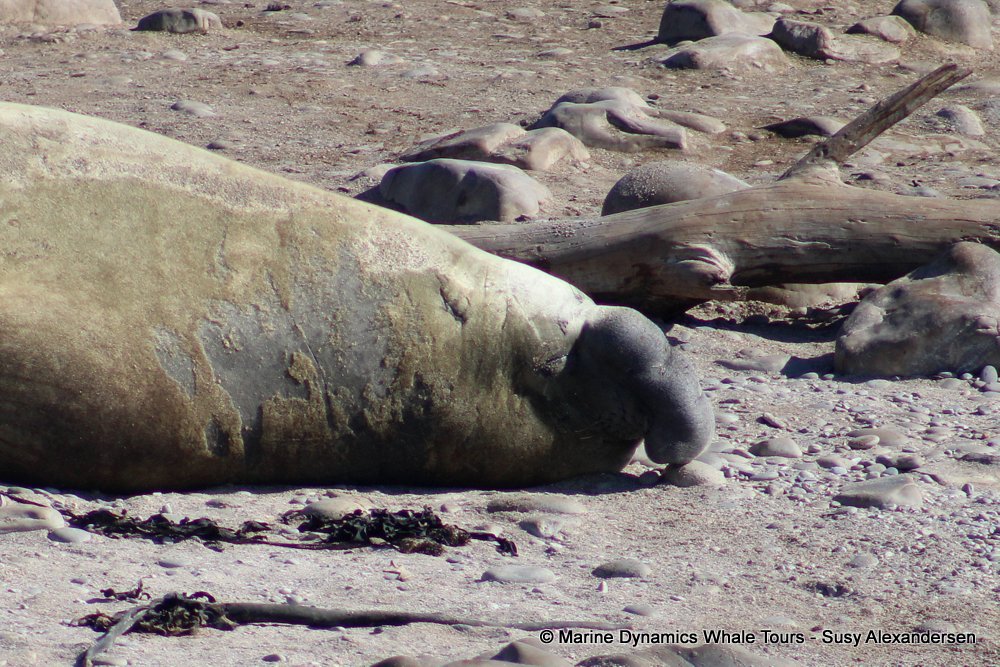
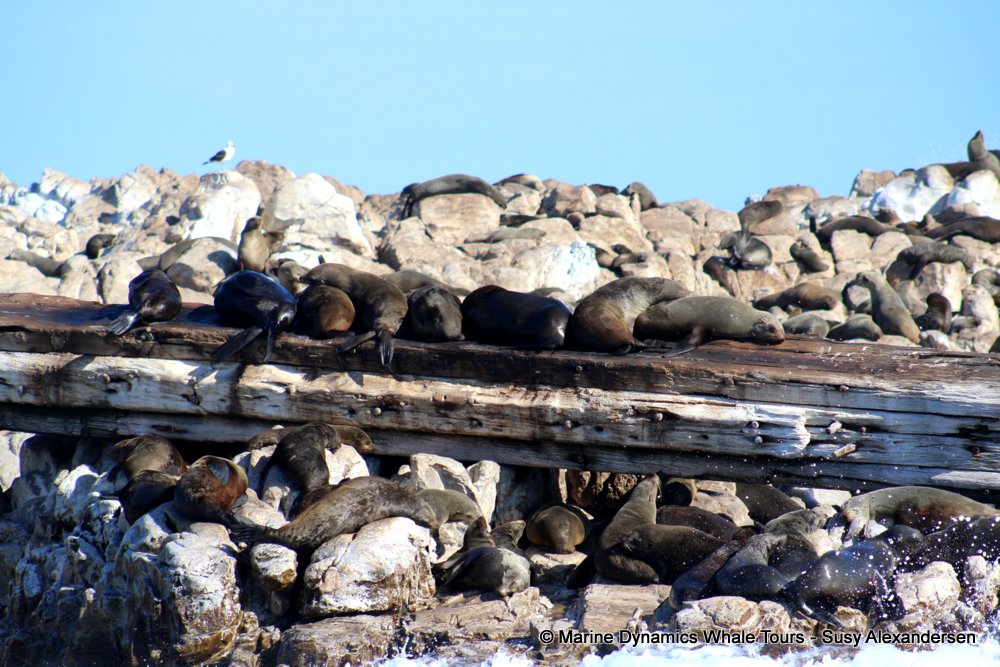
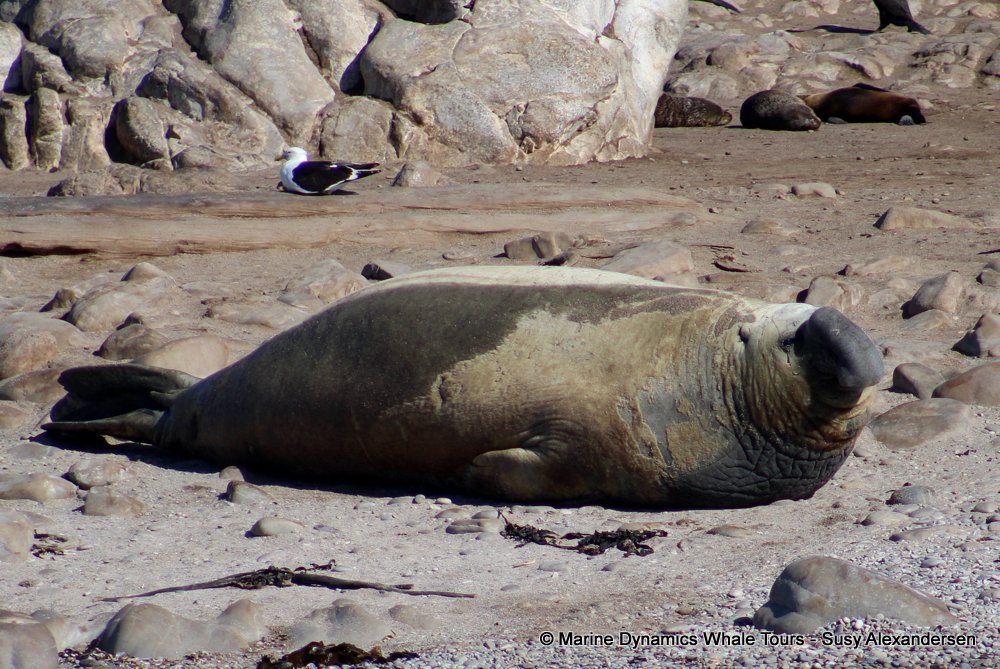
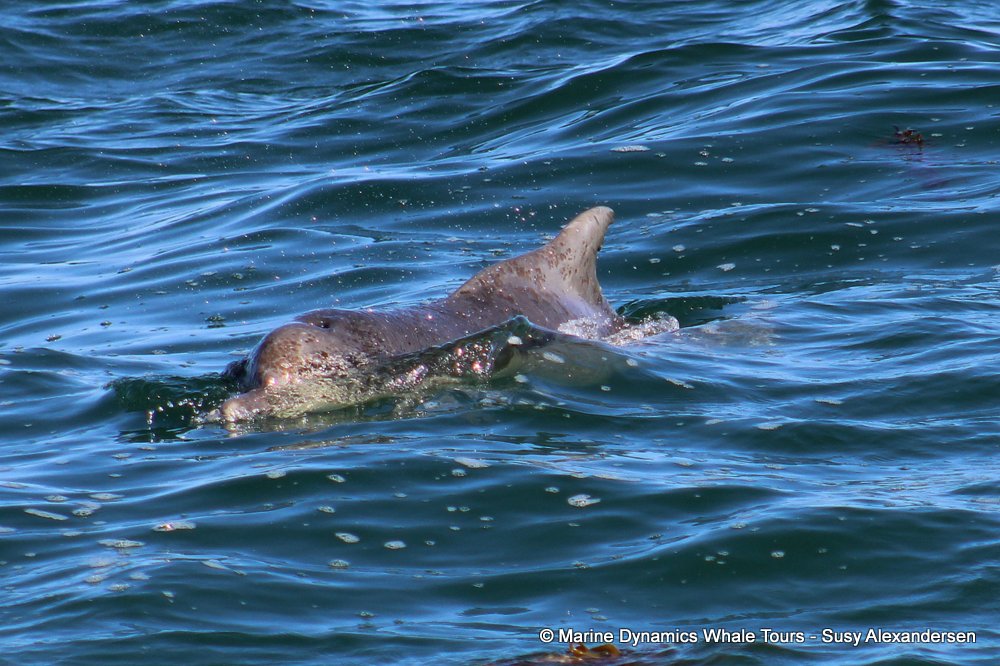
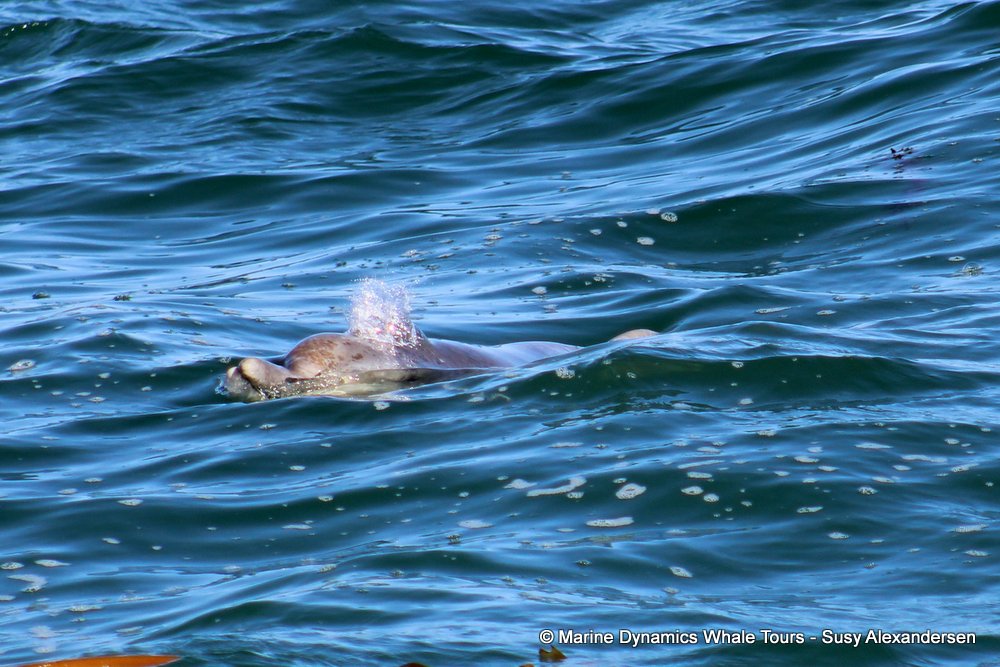
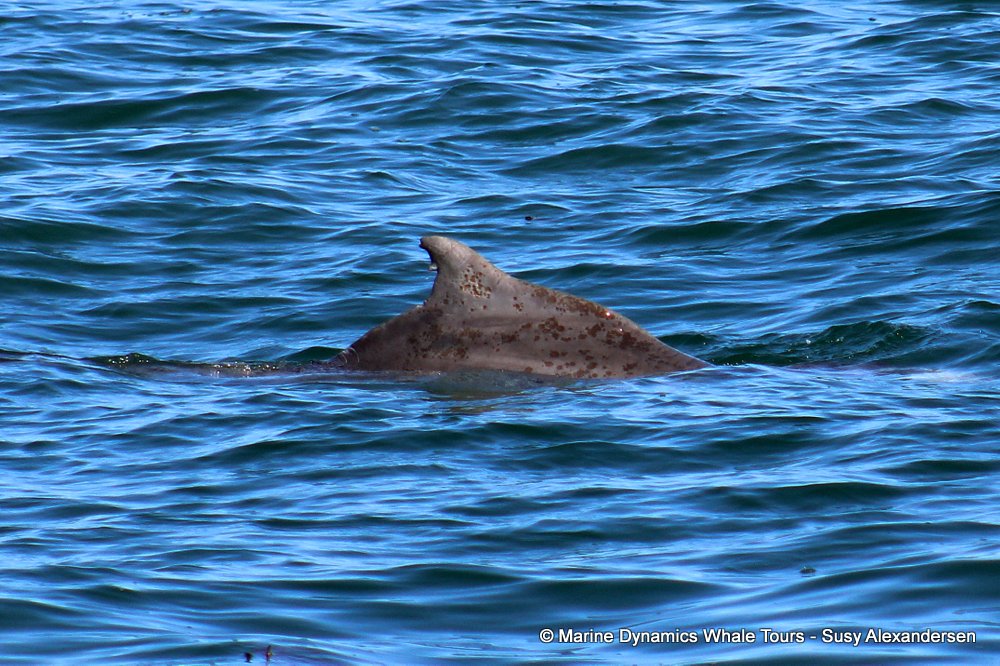
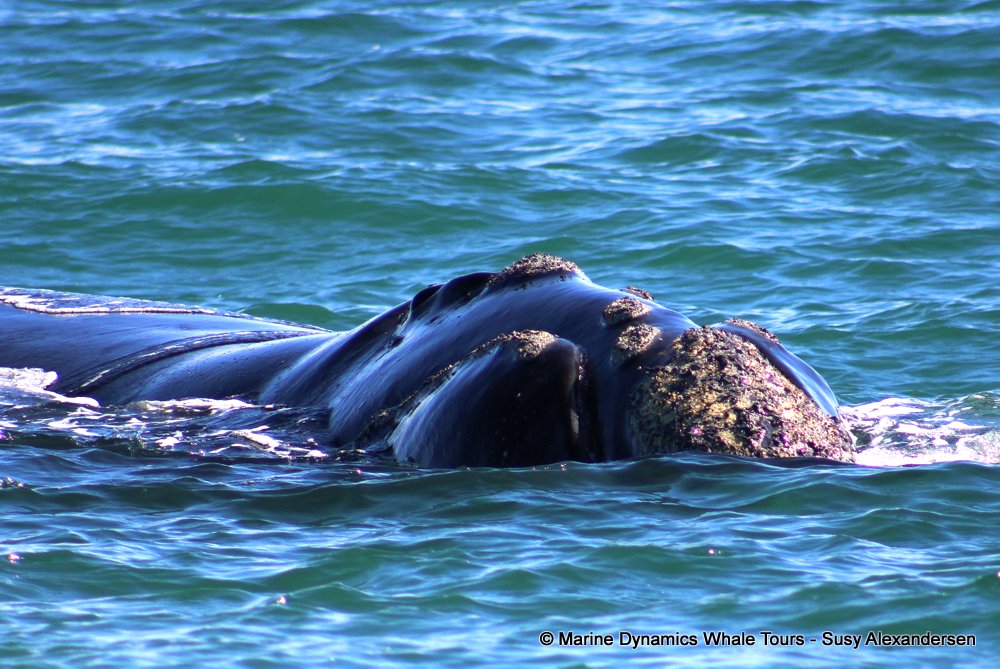
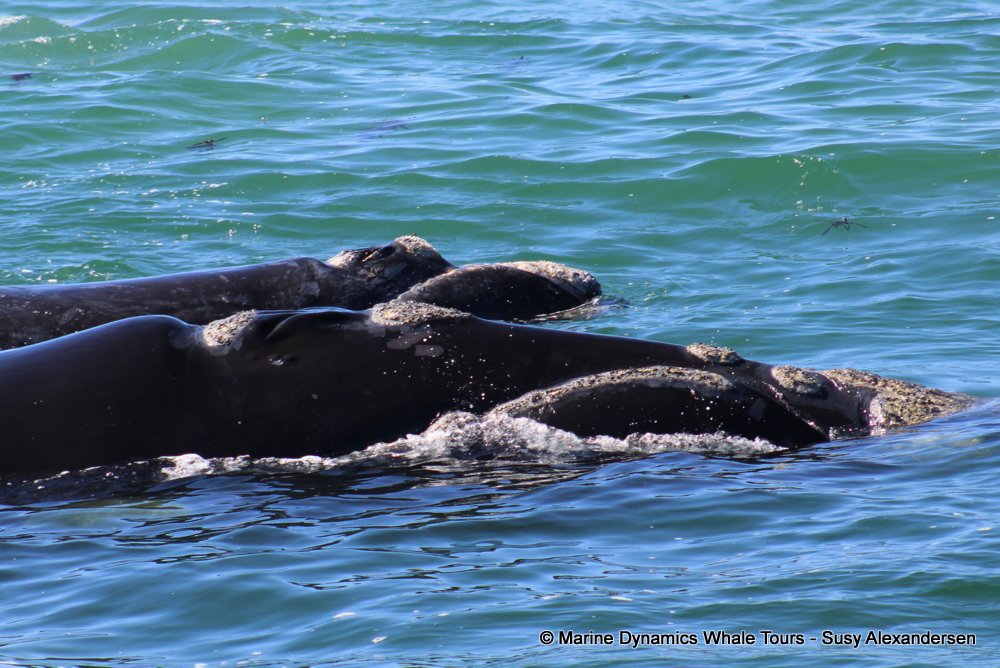
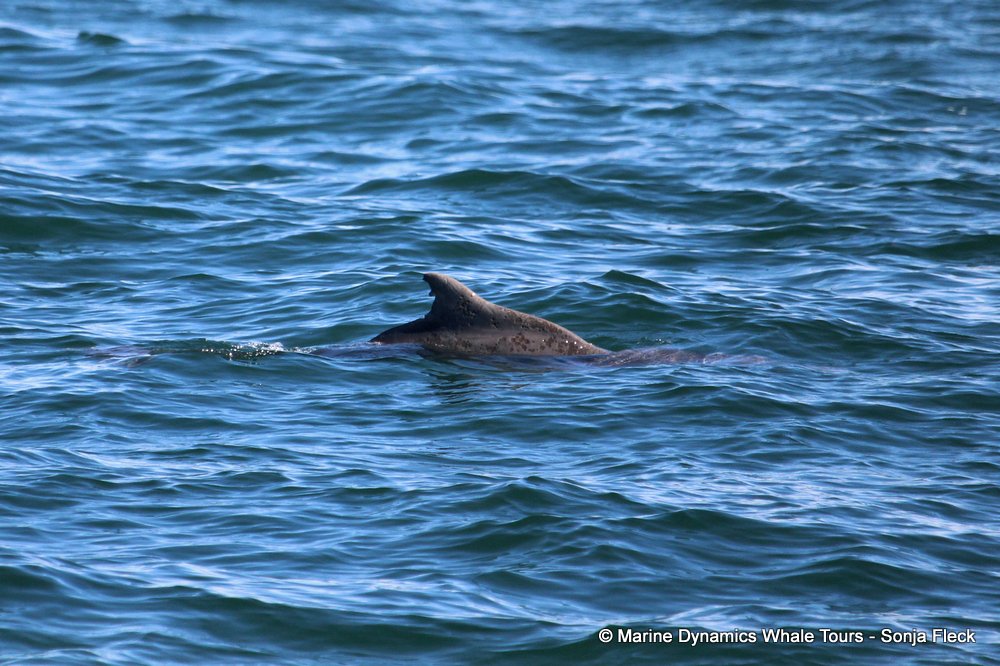
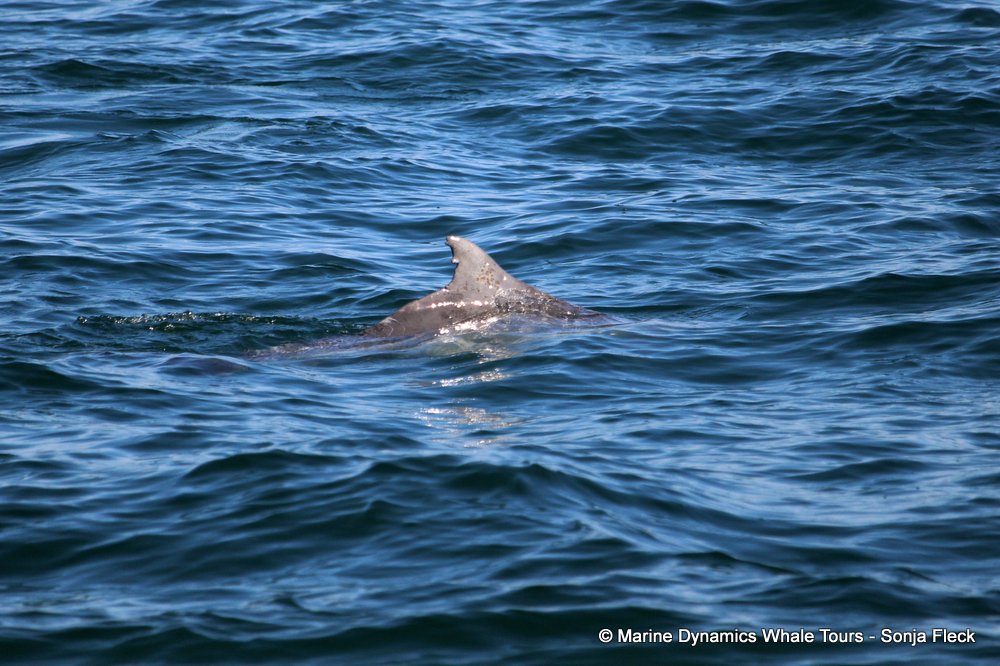
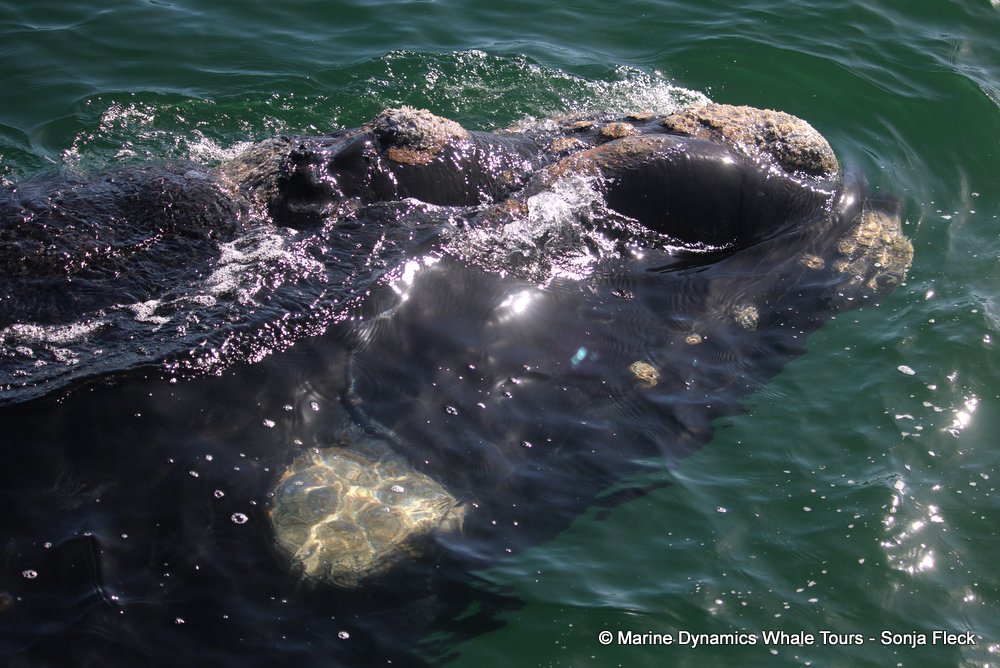
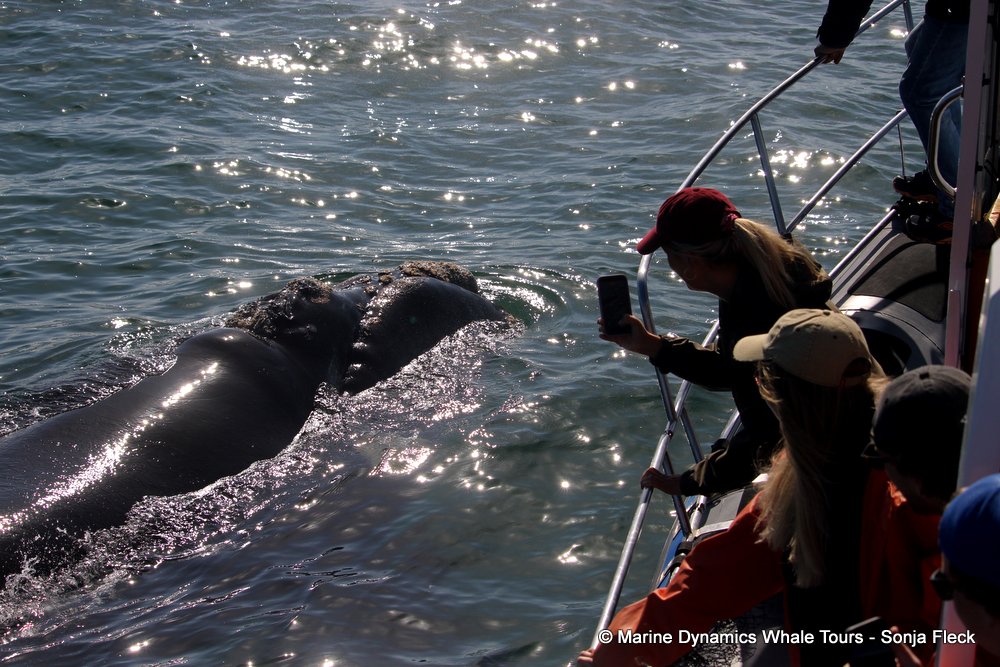
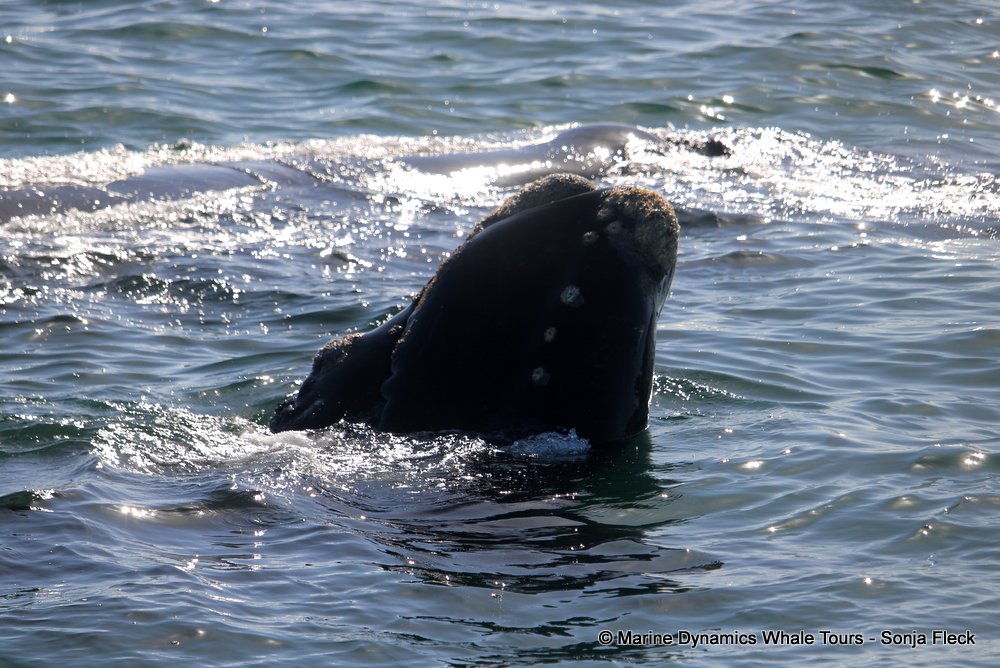
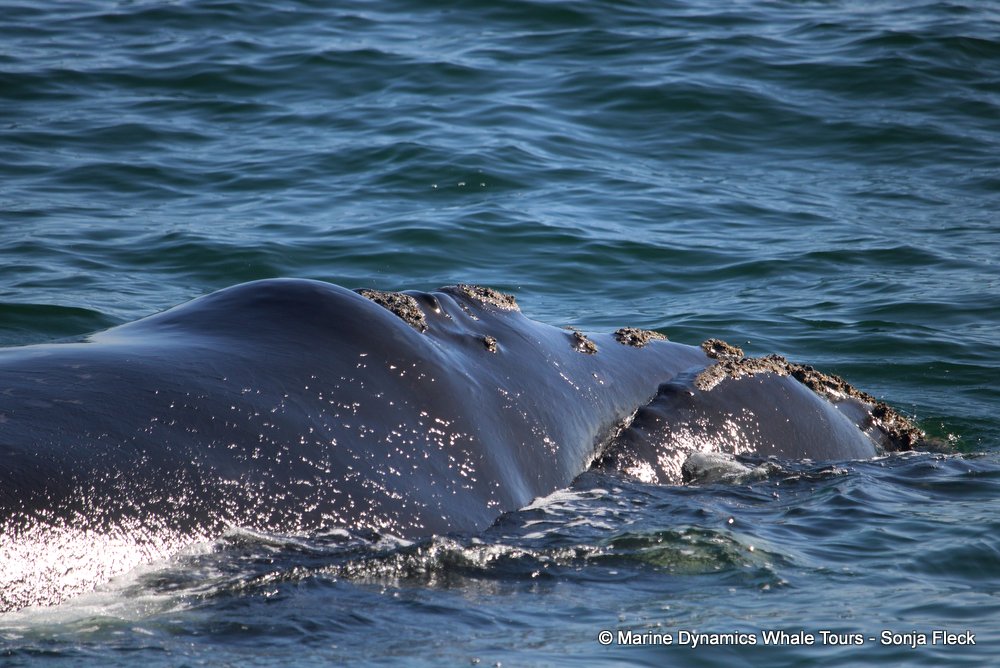
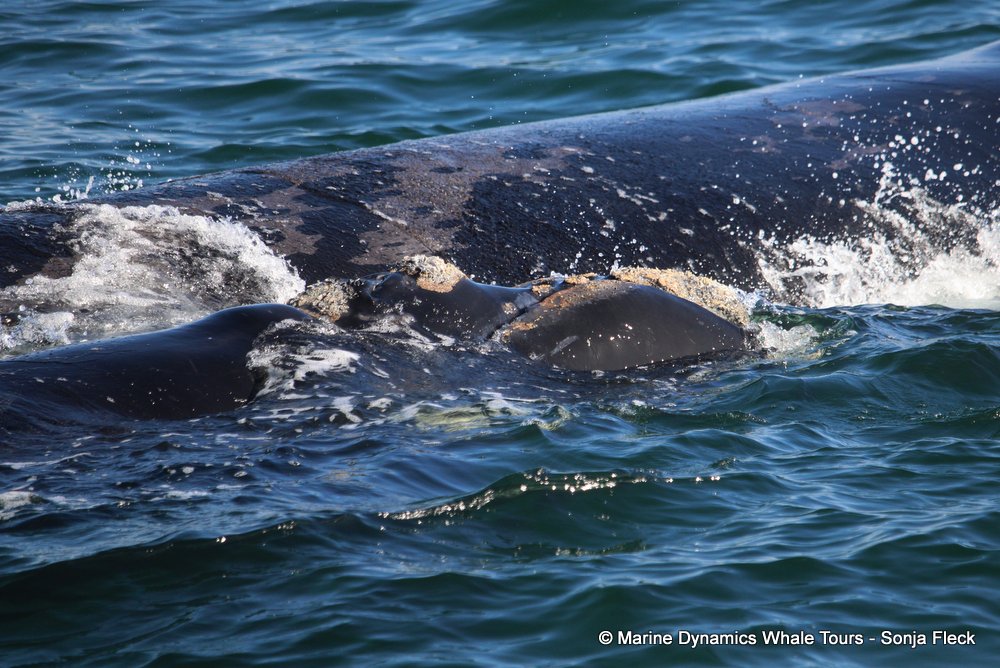
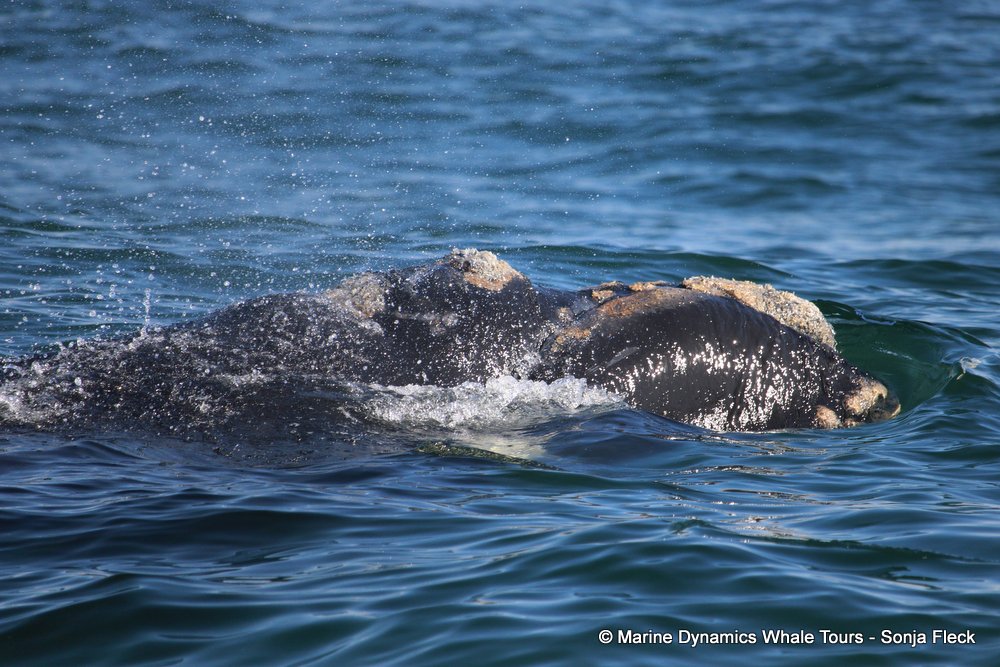
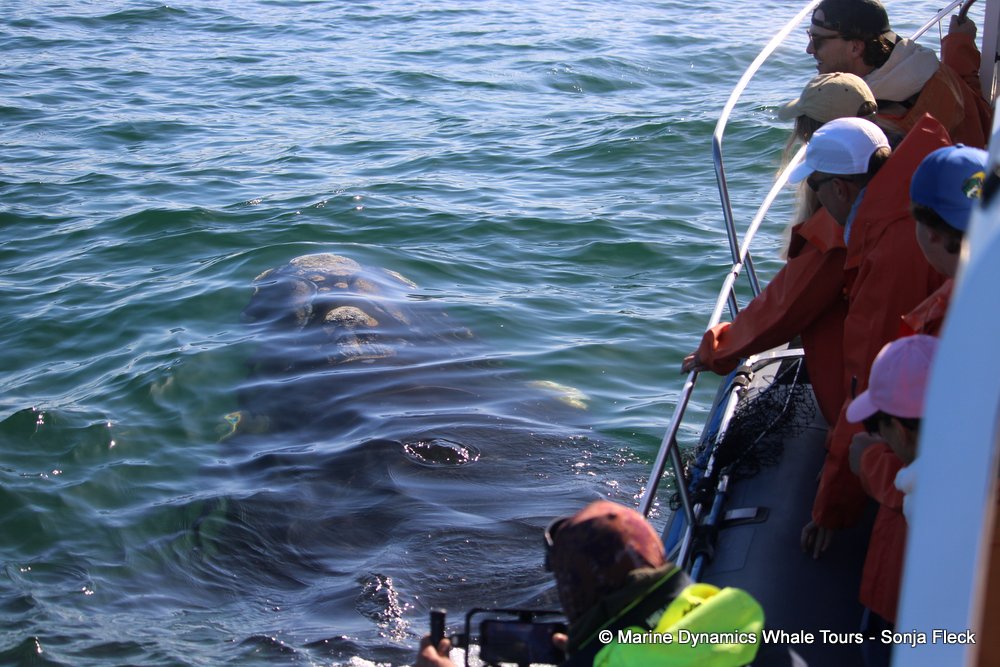
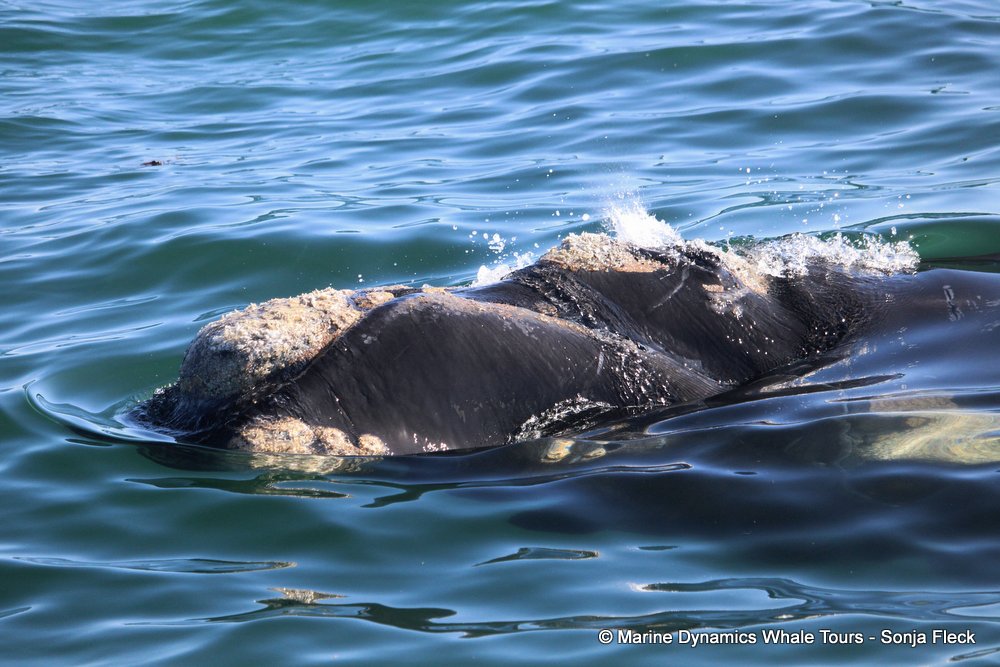
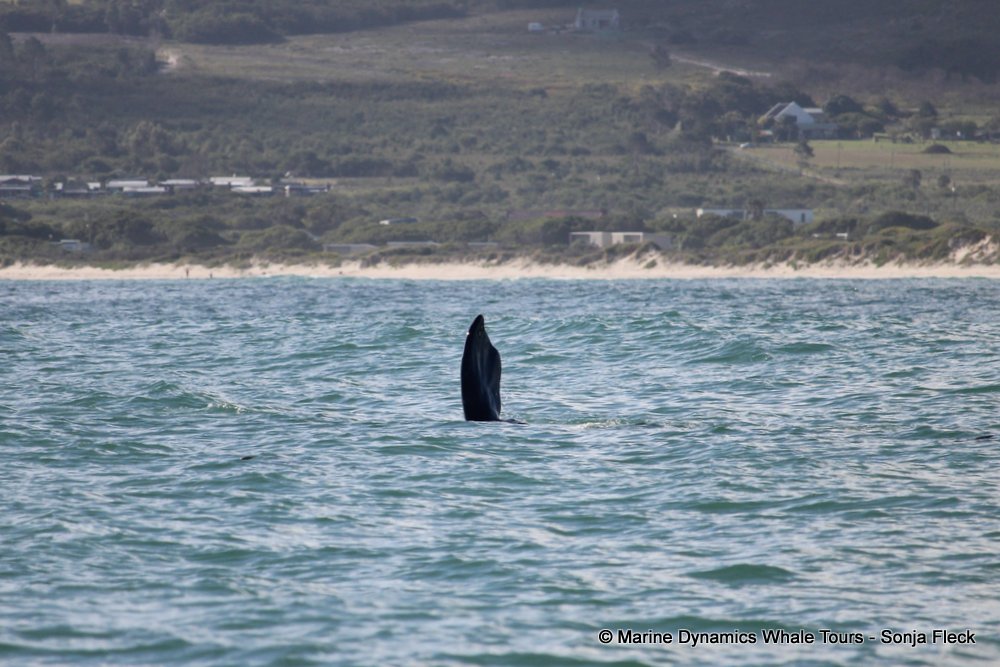
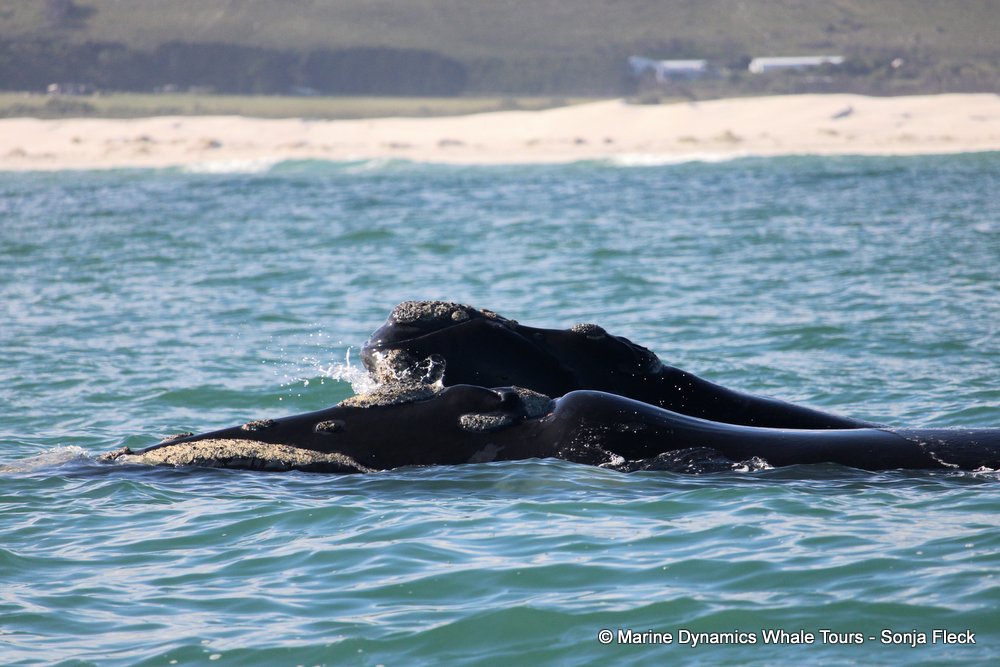
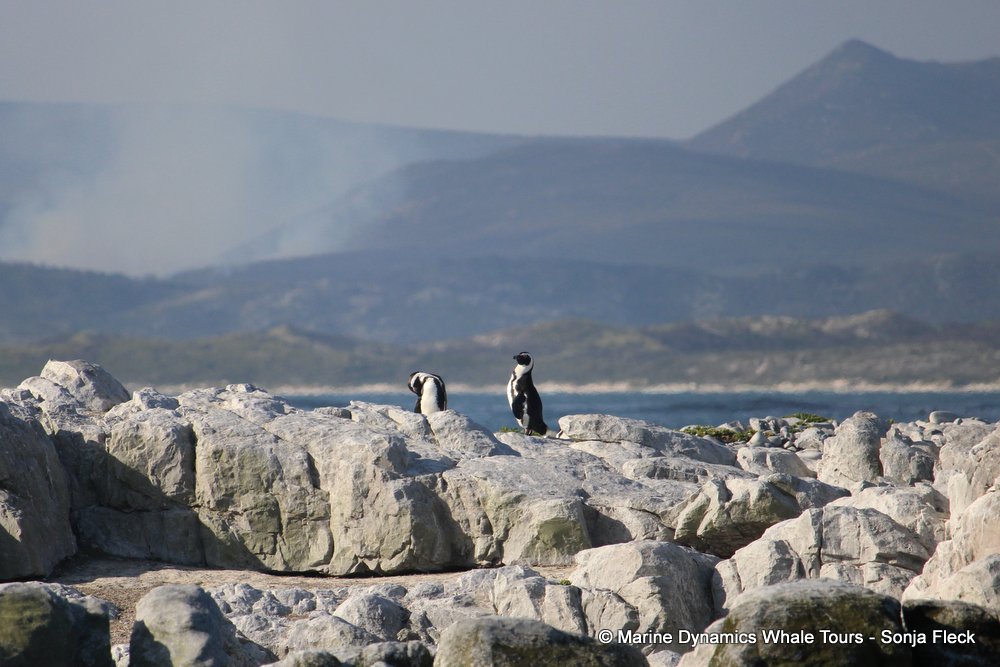
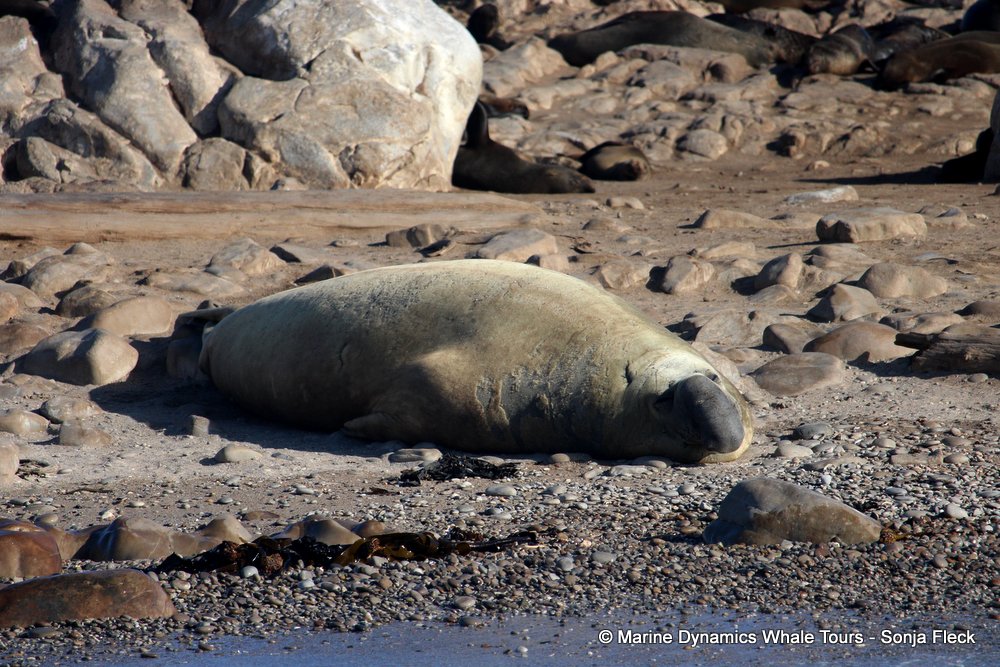
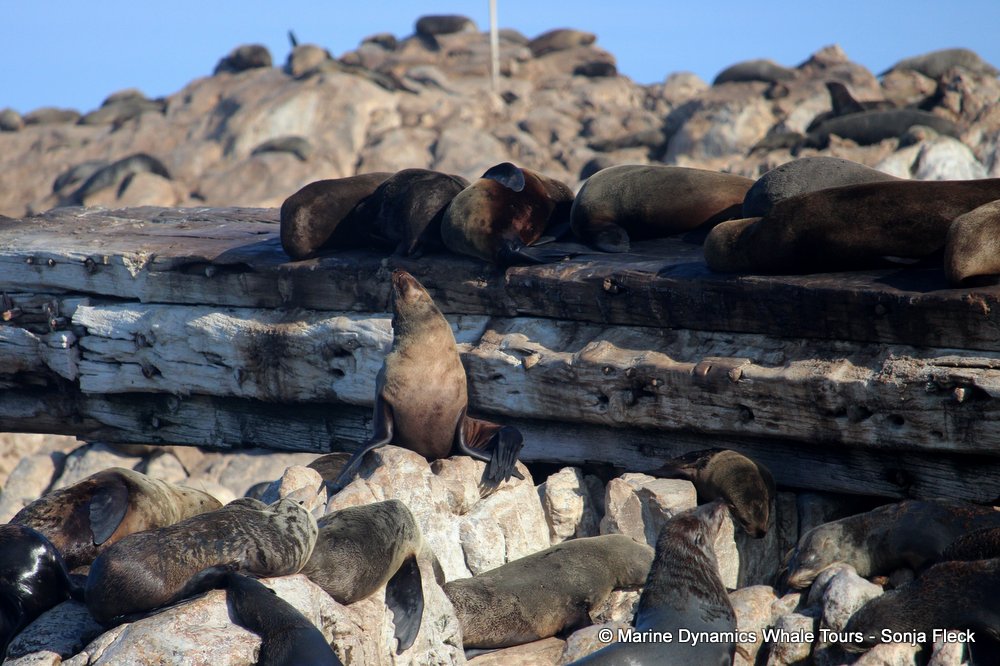
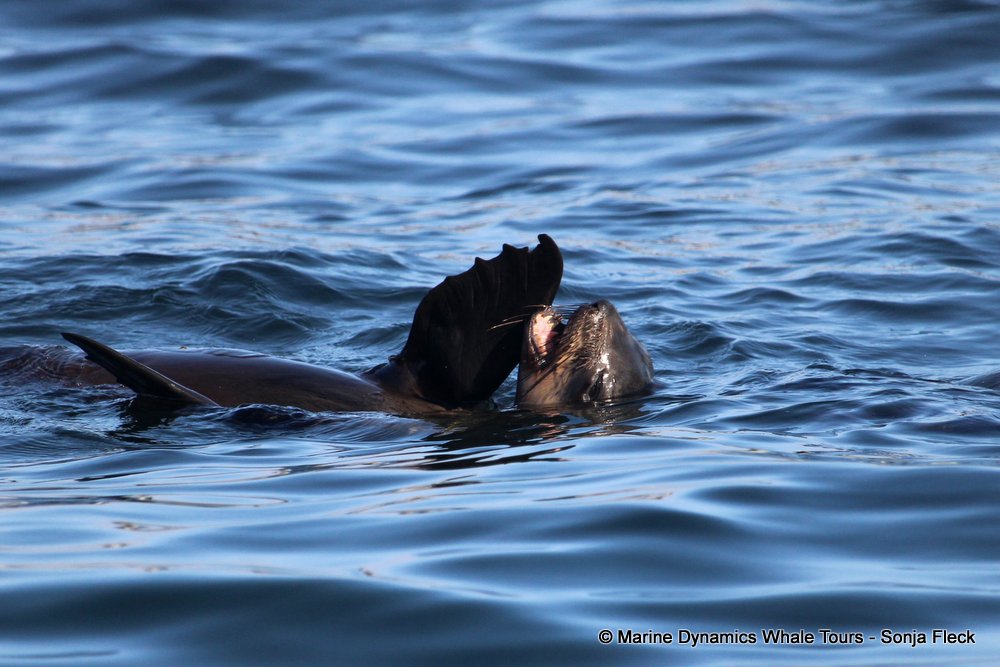
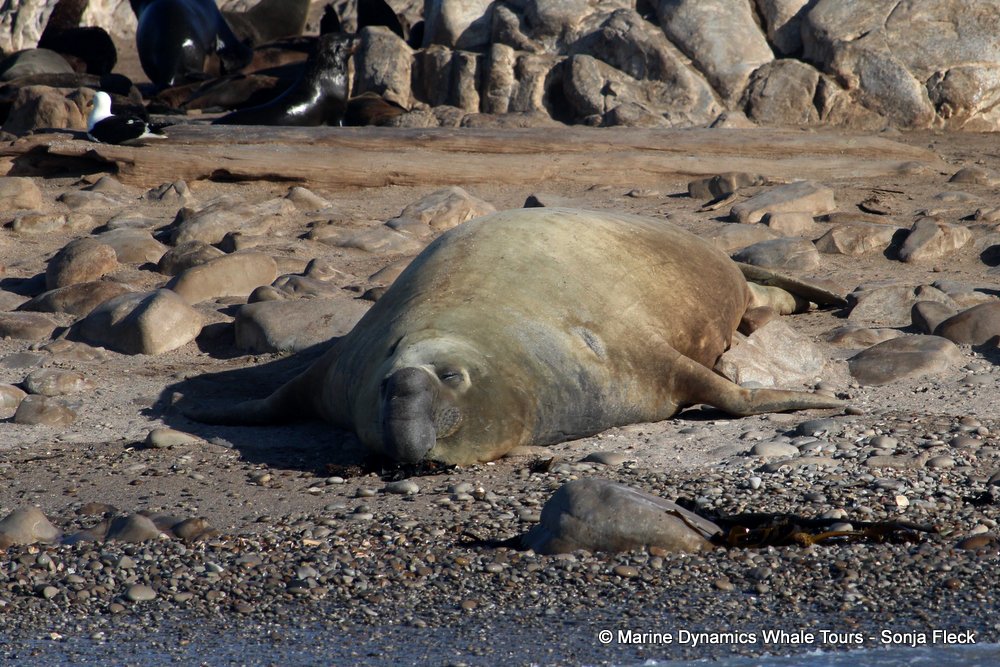
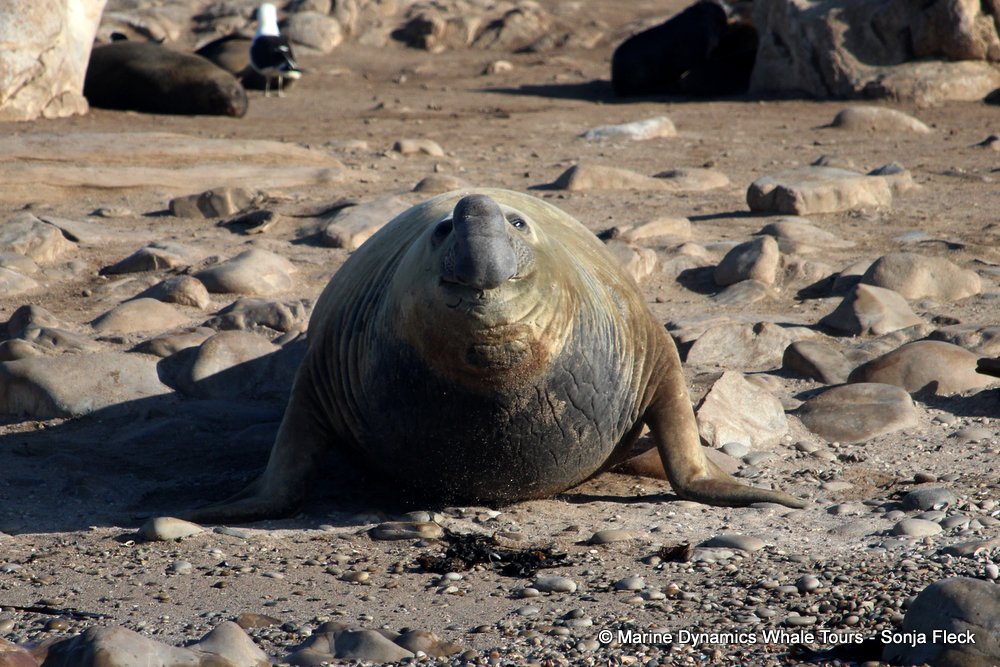
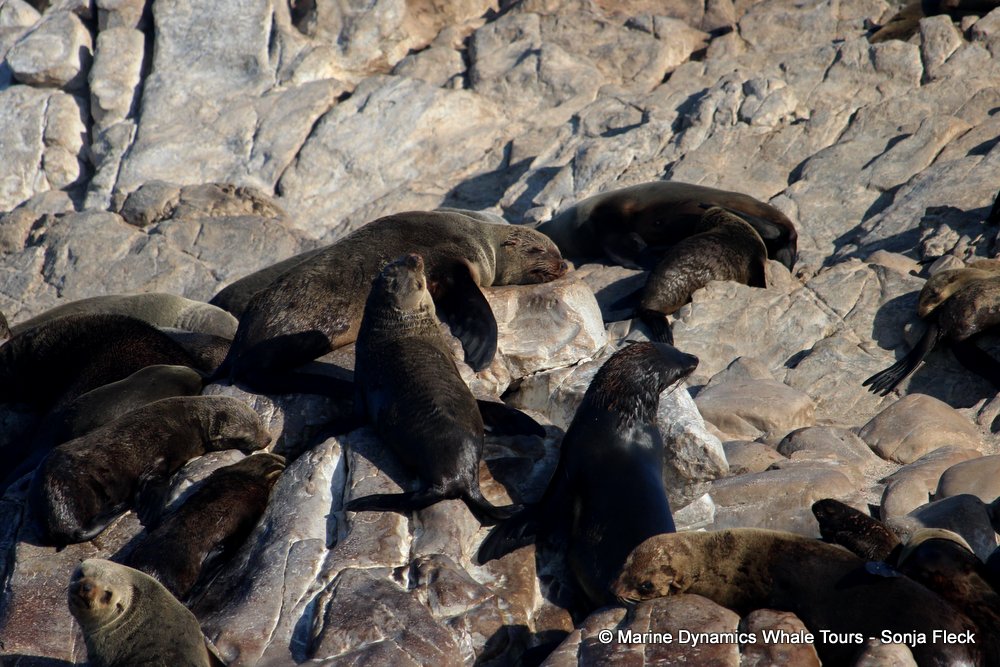
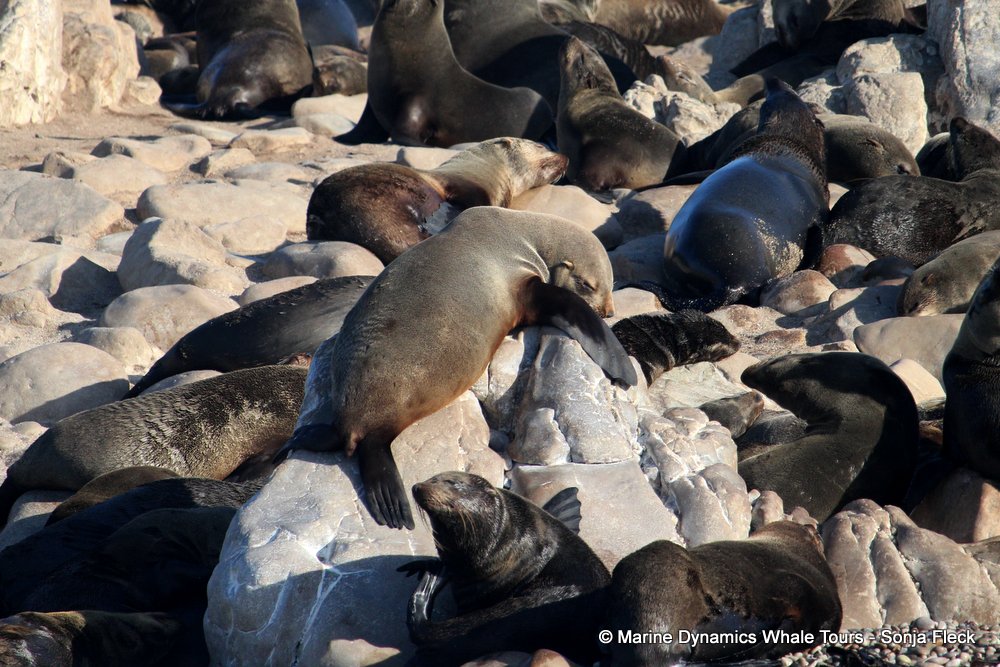
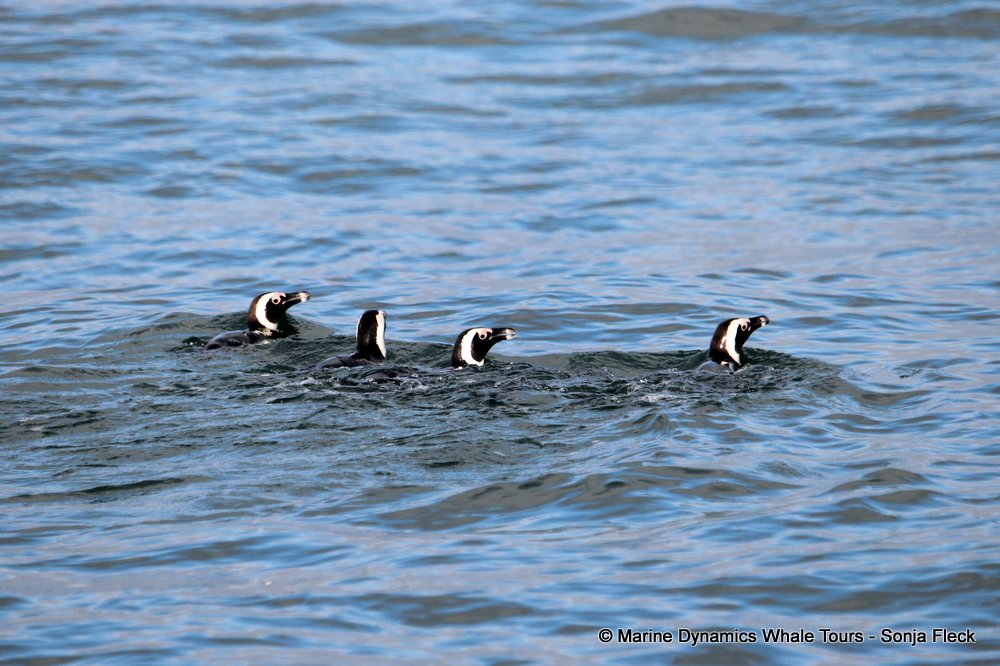
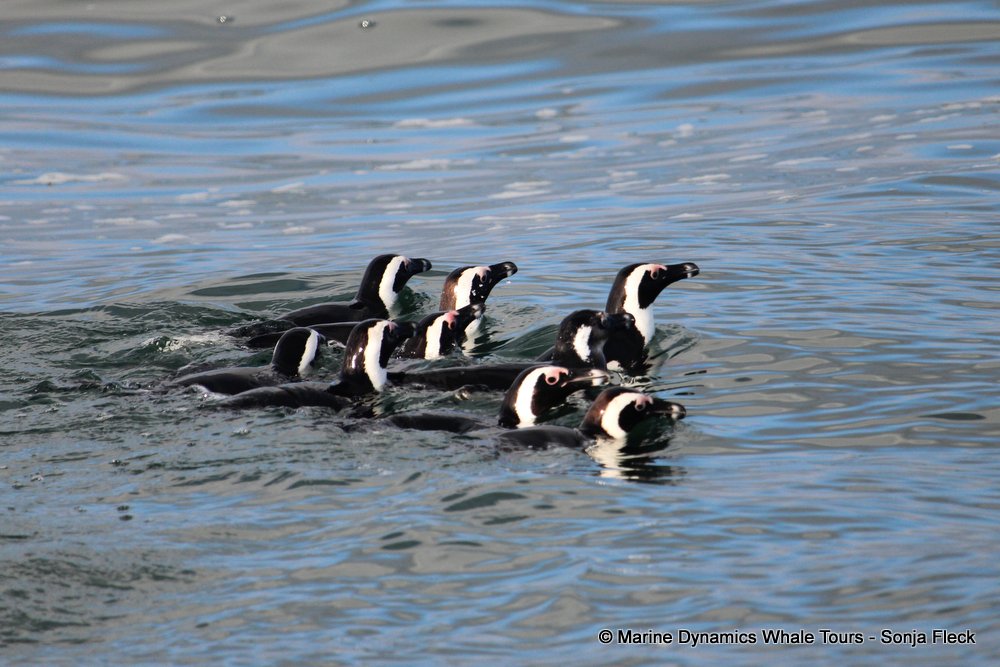
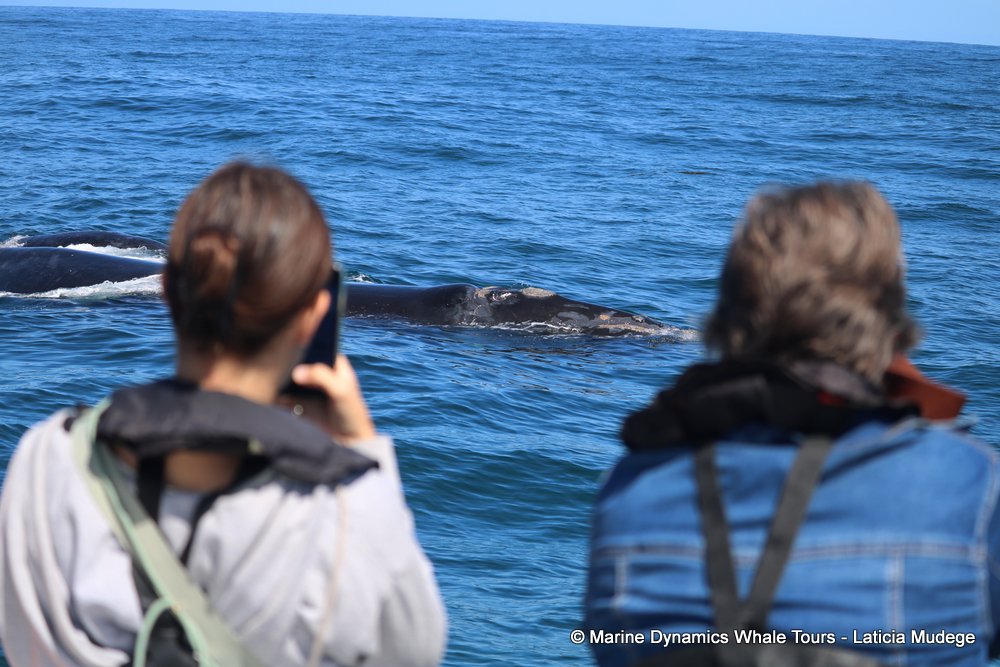
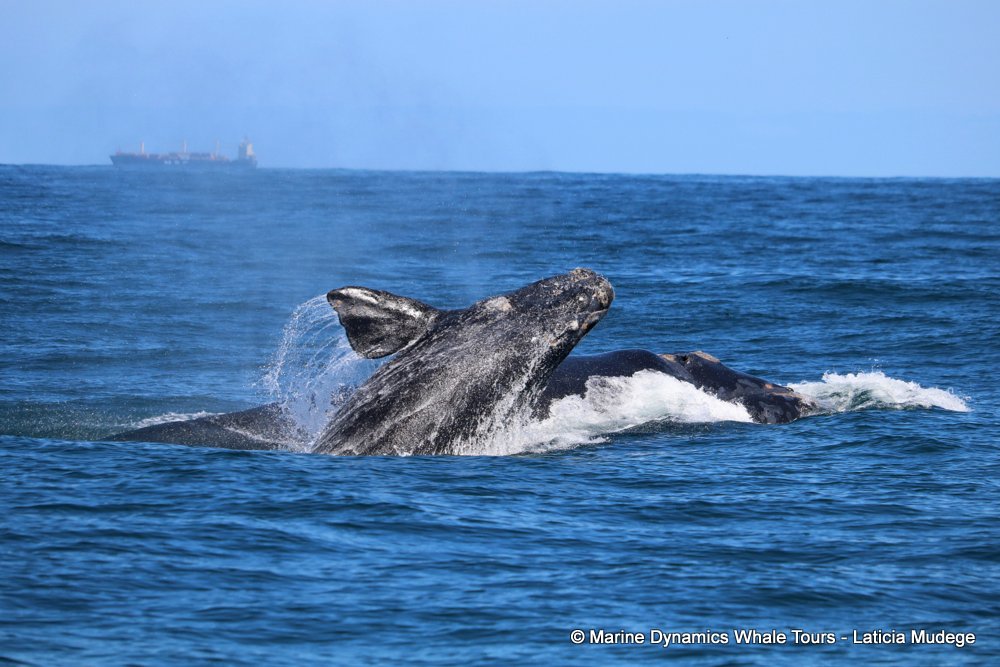
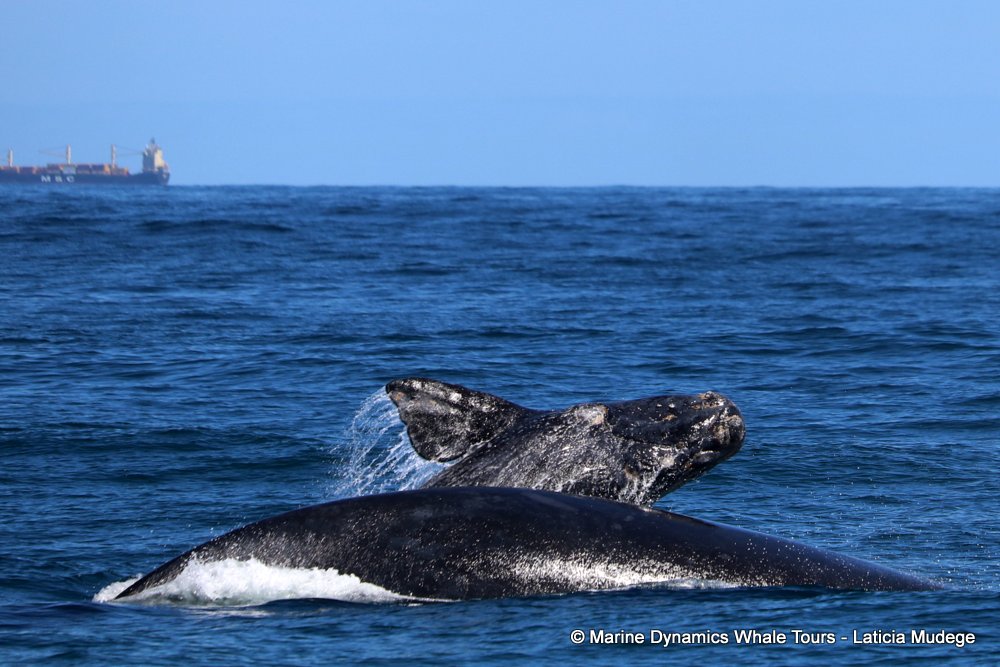
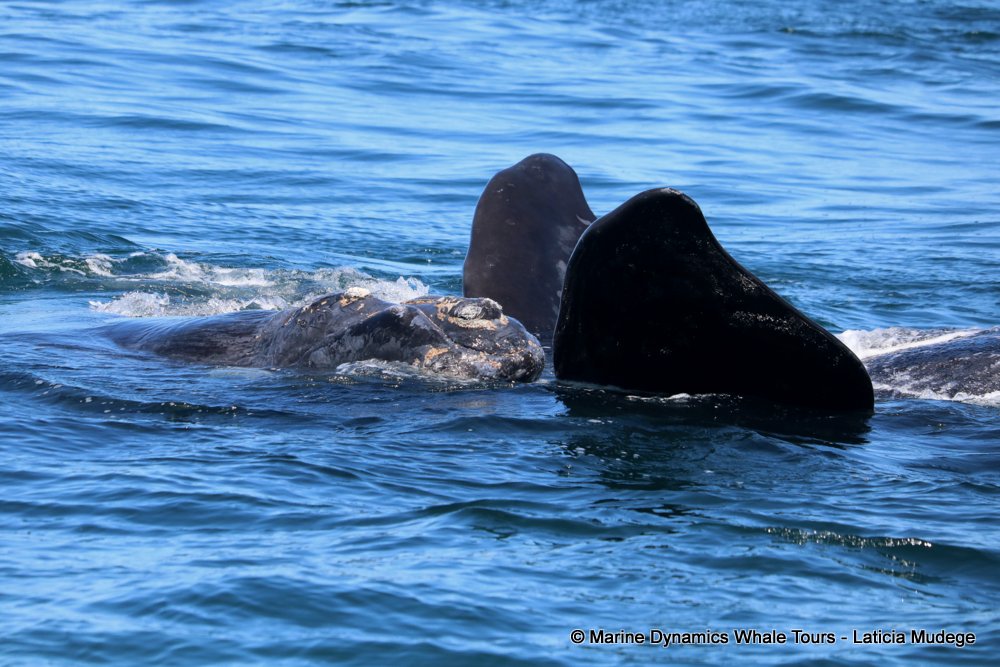
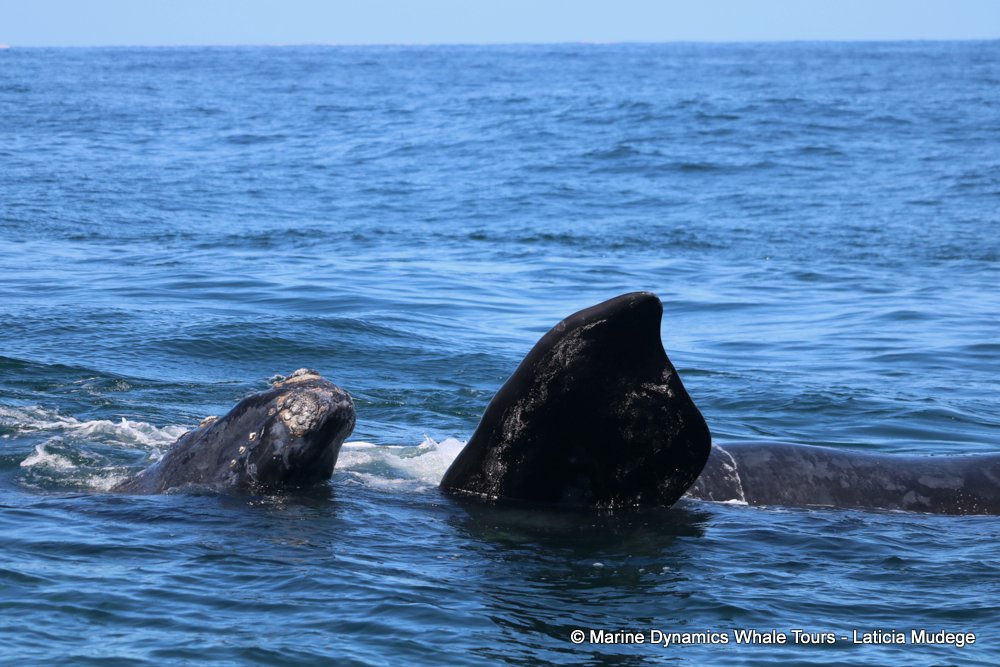
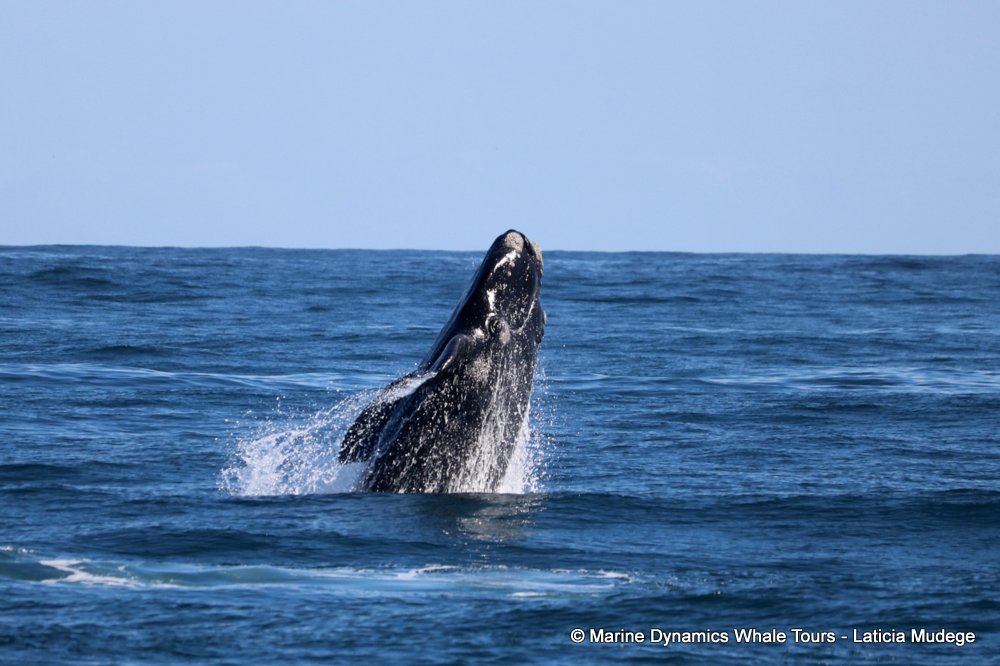
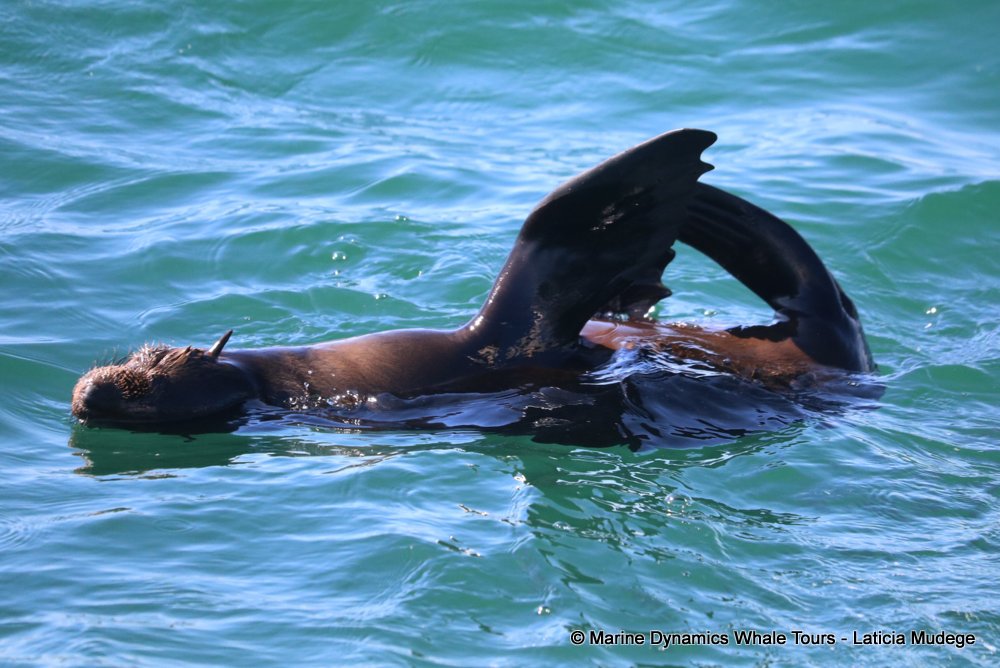
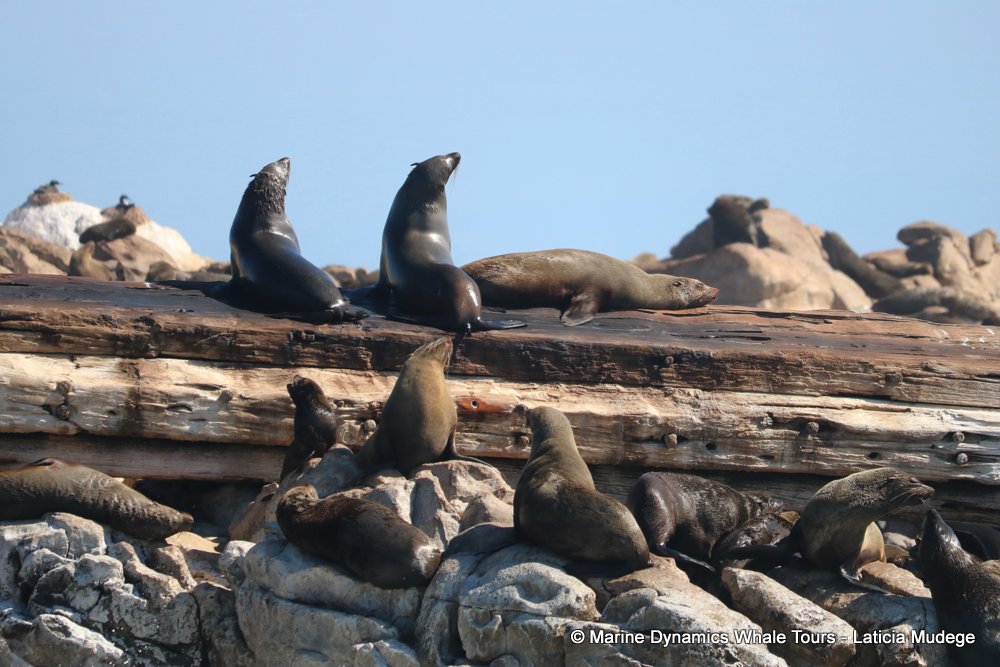
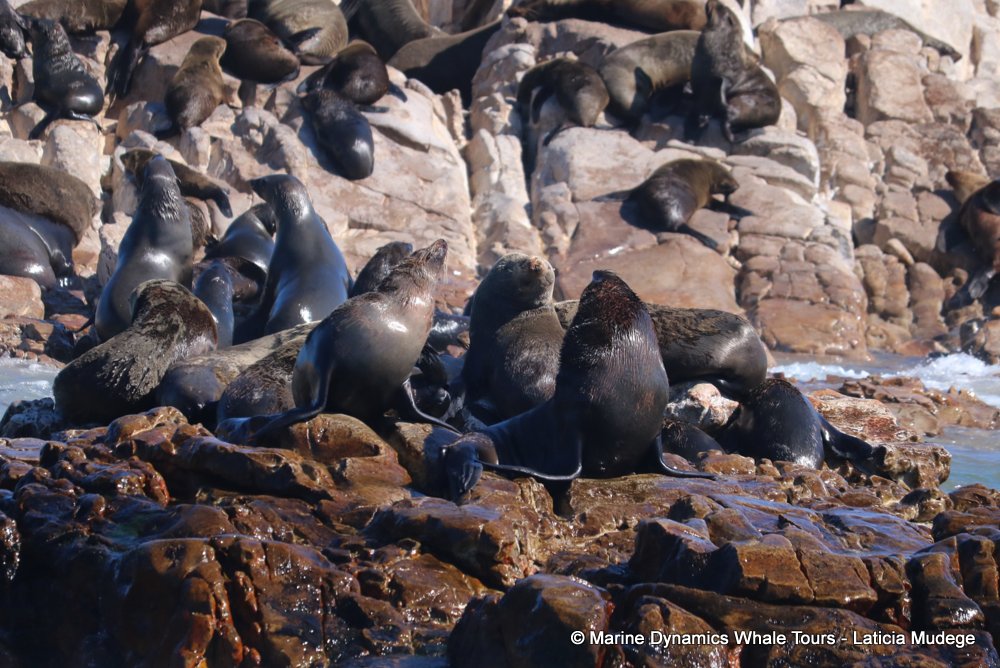
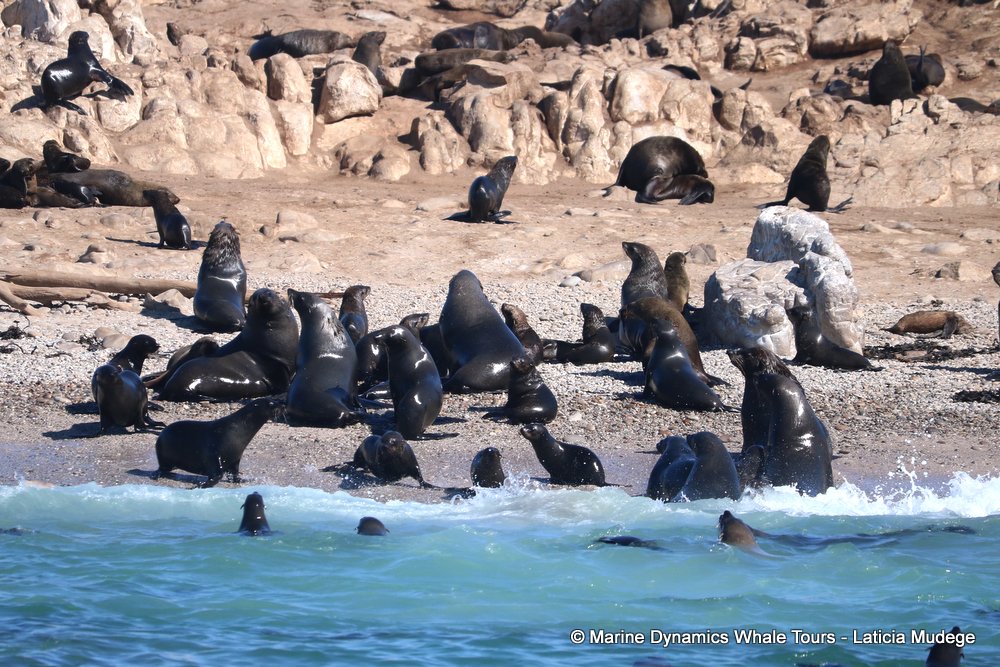
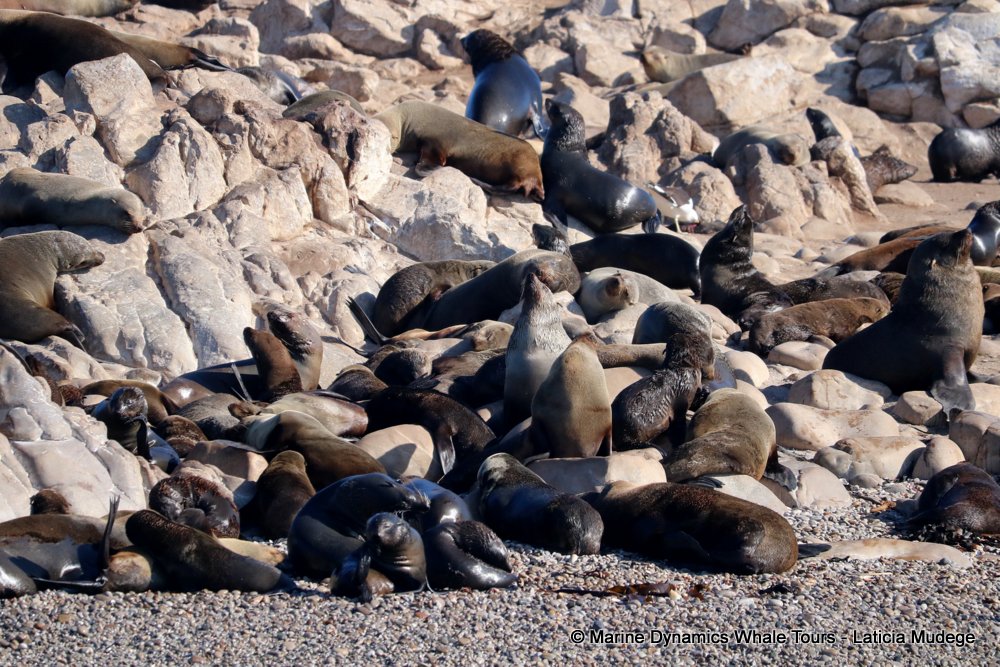
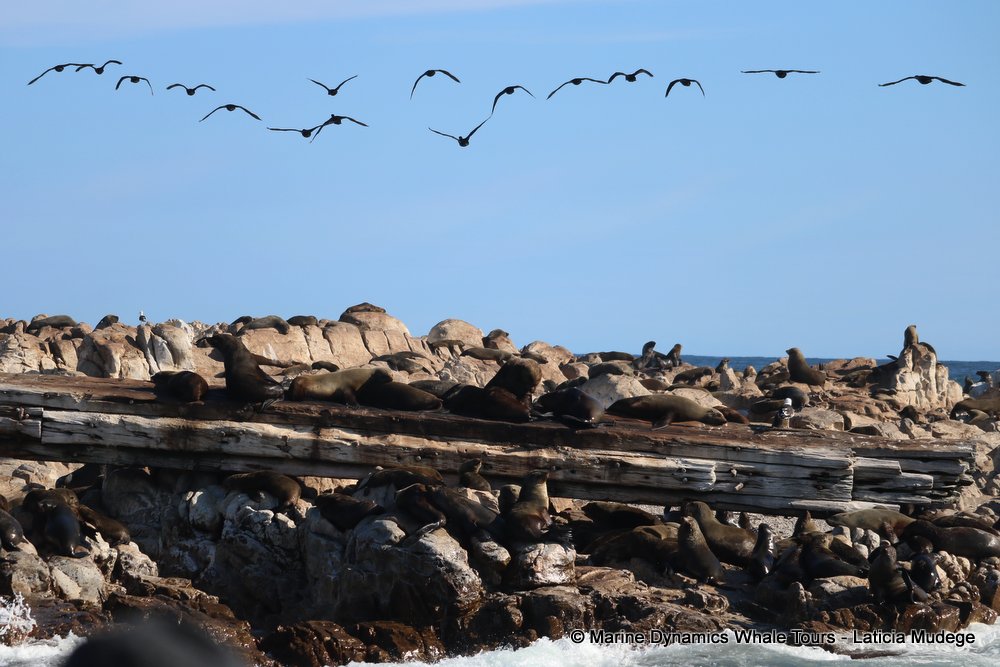
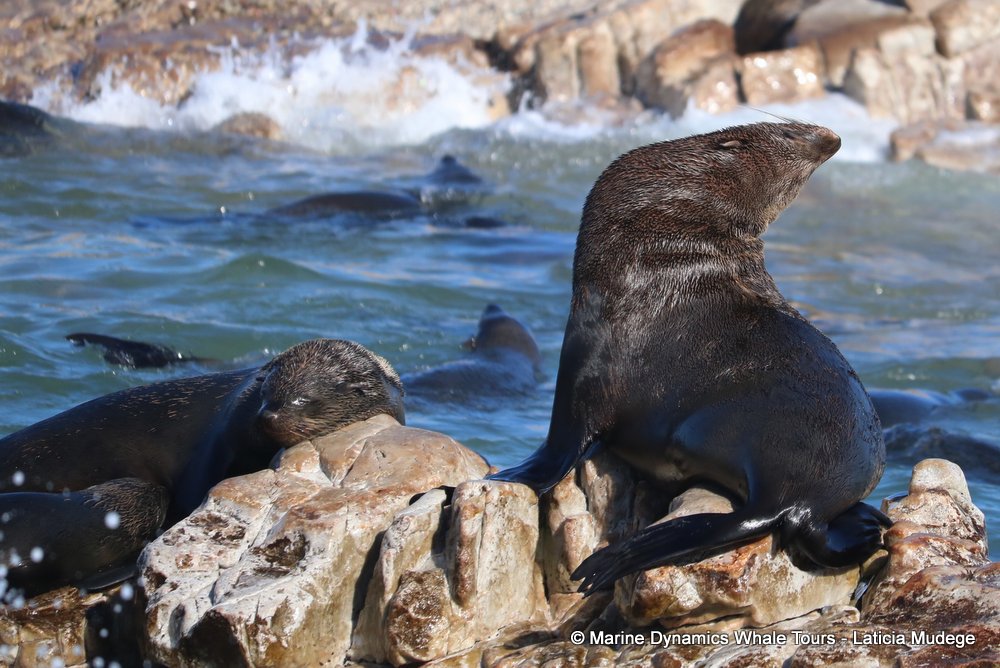
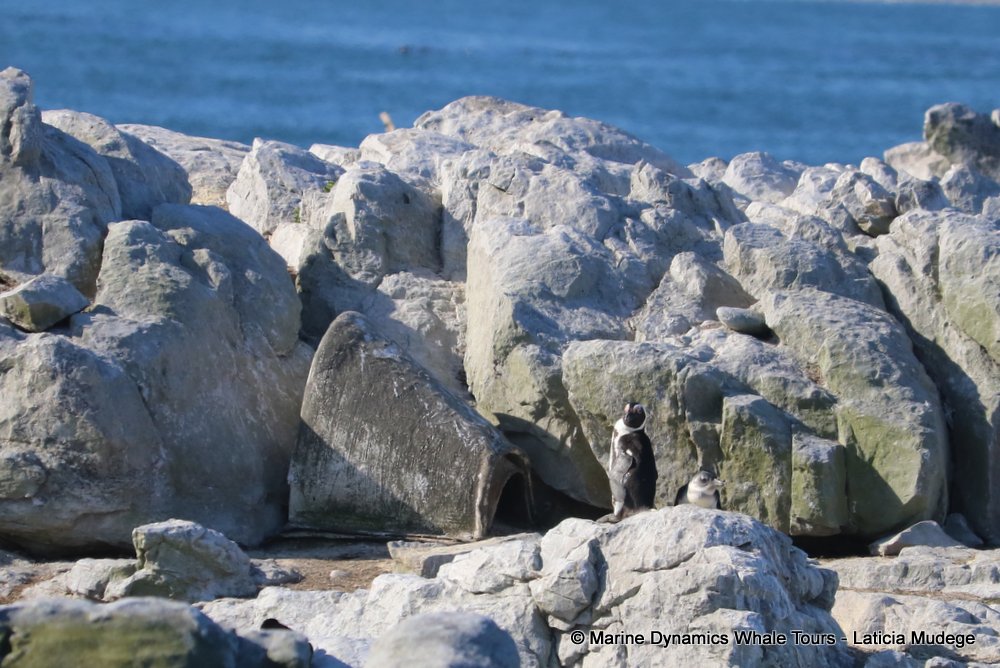
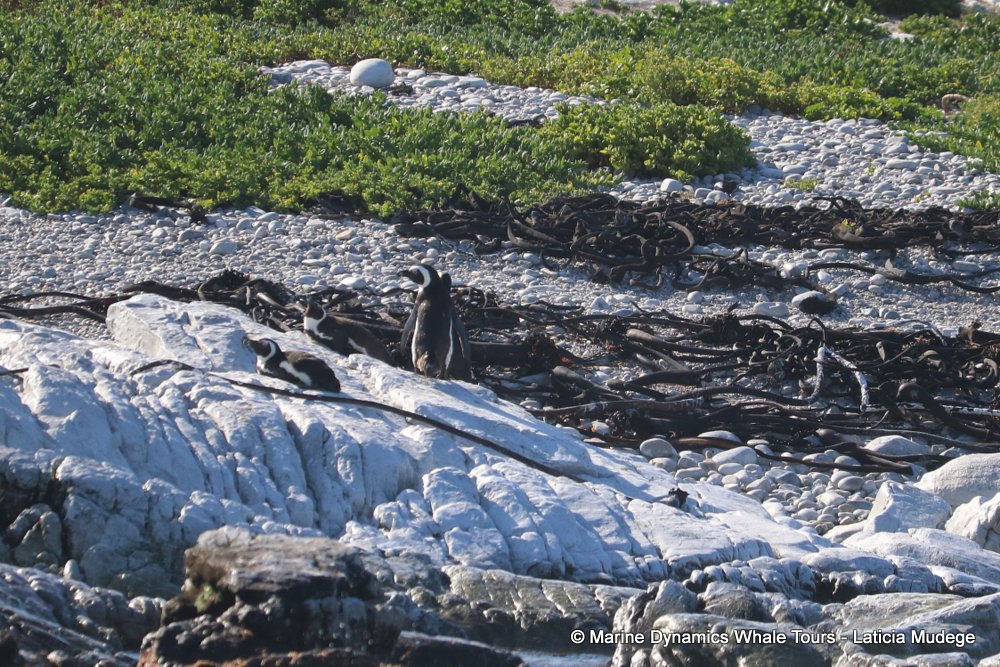
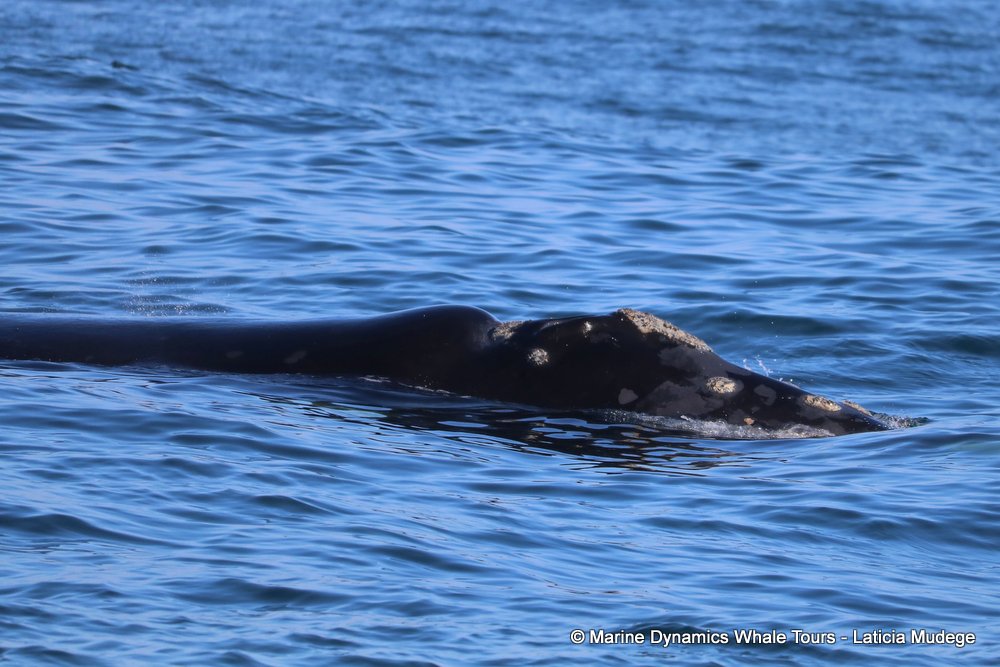
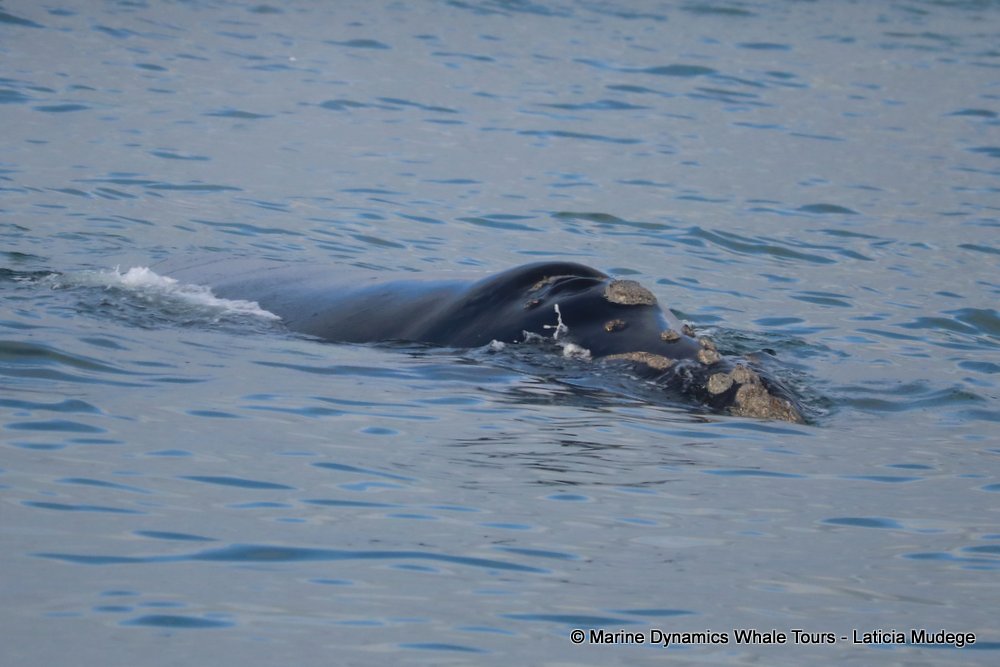
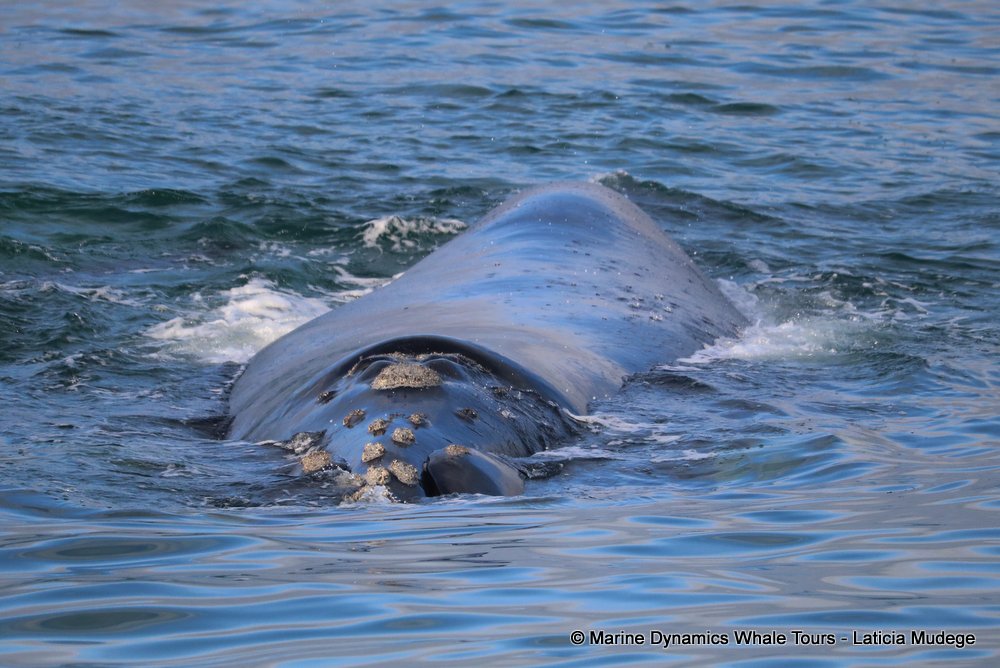
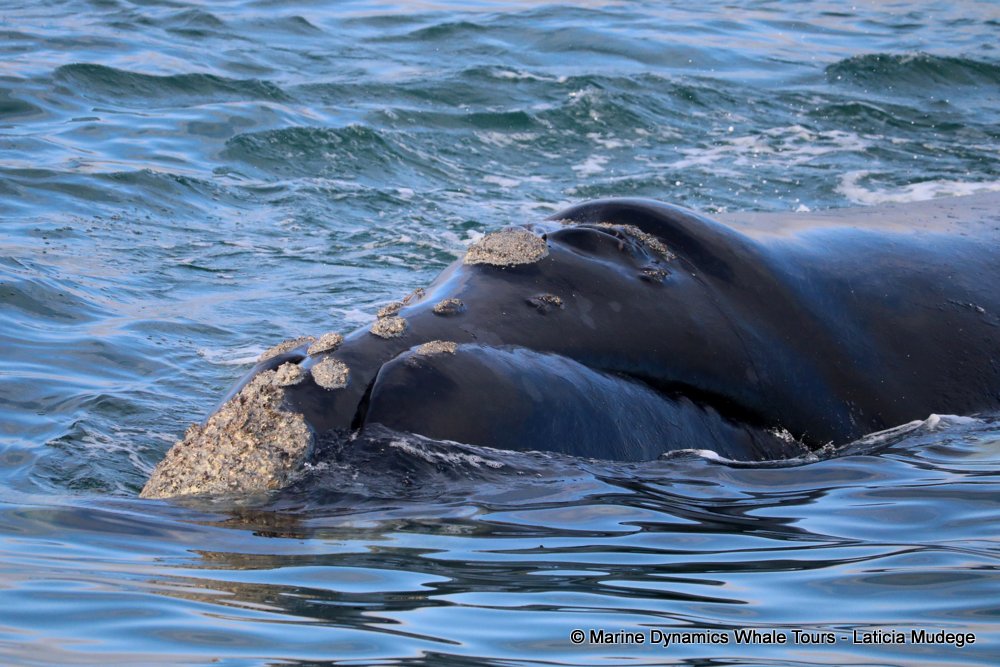
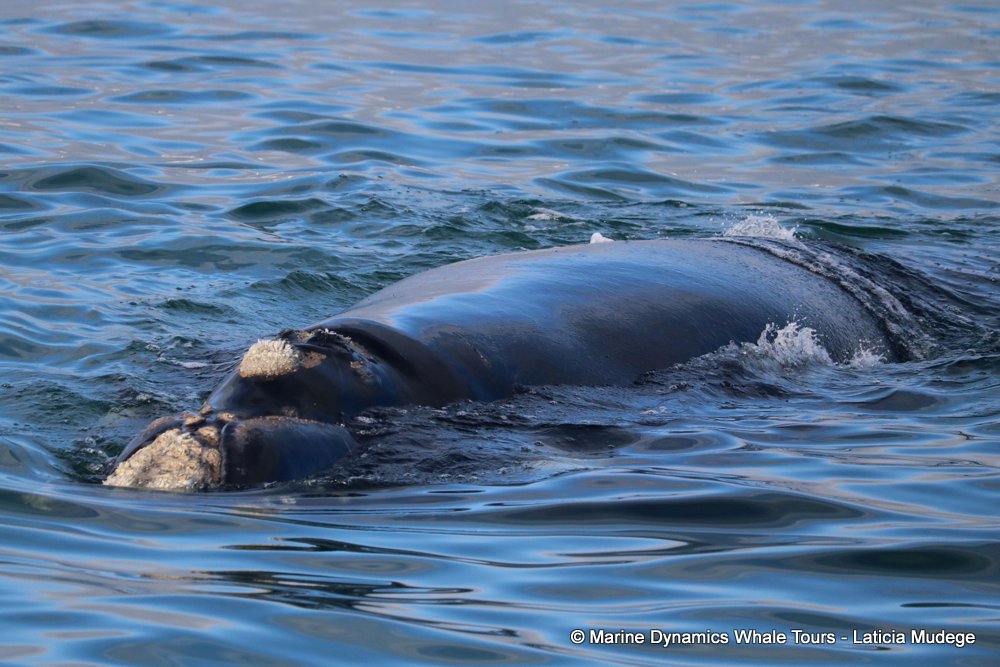
What an eventful day we had here at Marine Dynamics! After a day on land, we were ready to head back out to sea. With beautiful and calm conditions, we managed to spot a variety of marine life at sea. Some trips were lucky to have seen some Bronze whaler sharks around the Shark cage diving boats, whereas others missed the sharks but instead got to encounter one of our endangered Indian Ocean humpback dolphins! Southern Right whales were seen throughout the entire day, either putting on a show or approaching the vessel closely to investigate. Cape fur seals and our beloved visitor, the Elephant seal, were seen on Geyser Rock. The endangered African Penguins were either nicely spotted on top of Dyer Island or as a raft in the water.


TripAdvisor – https://bit.ly/2YZ0jDR
Google – https://g.page/r/Caej8uYZYnR8EBE/review
Facebook – https://www.facebook.com/WhaleWatchSA
What species did we see today?
Southern Right Whale Southern Right Whale
Southern right whales attract thousands of visitors every year to experience these gentle giants off the South African coast.
African Penguin African Penguin
As one of only 17 penguin species left in the world (and the only one on the african continent), the african penguin often breed in offshore colonies, such as Dyer Island.
Cape fur seal Cape fur seal
With a local population of 60,000, it's no wonder our guests capture so many photographs of these wonderfully playful marine mammals.
Bronze Whaler Shark Bronze Whaler Shark
The Bronze whaler (also known as Copper sharks) here in Kleinbaai are very curious and interactive. These sharks eat mostly fish, with sardines being one of their favourites.
Indian Ocean Humpback Dolphin Indian Ocean Humpback Dolphin
Humpback dolphins are an endangered species, with small populations living very close to shore, typically in water less than 25m deep and an average home range of 120km. Their proximity to land makes these animals particularly vulnerable to human influence.
